Translated with AI from the Russian original.
Specialists from the Russian company Smart Engines have deciphered crossed-out fragments of Alexander Pushkin's draft manuscripts using the "Da Vinci" neural network. This was announced by Dmitry Nikolaev, Head of the "Visual Systems" Department at the Federal Research Center for Computer Science and Control of the Russian Academy of Sciences.
The artificial intelligence was trained to recognize Pushkin's pen movements in non-crossed-out words and use this data to restore lost elements of the text. The results of the work confirmed that AI can contribute to the study of the great poet's creative process.
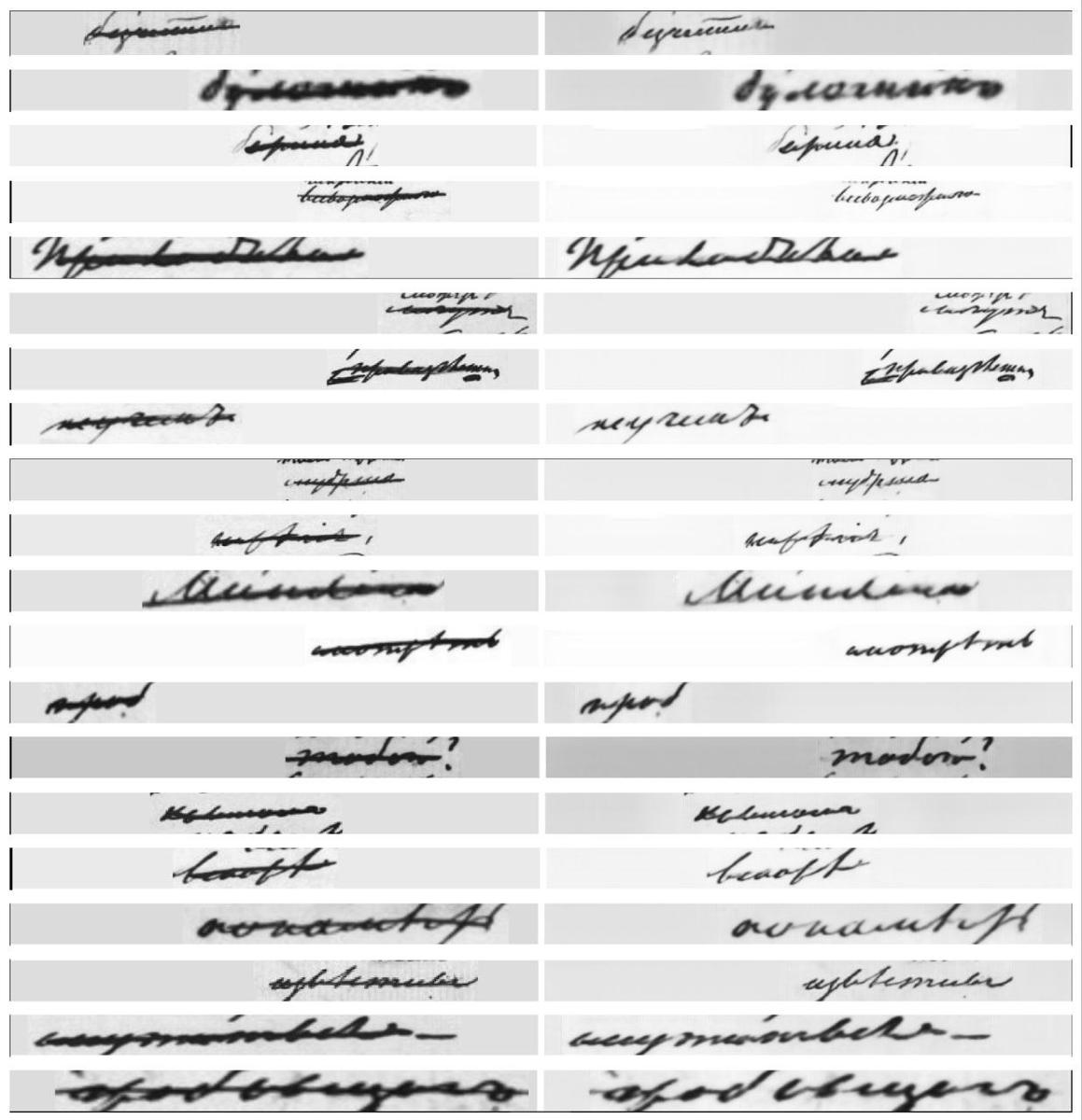
According to Vladimir Arlazorov, CEO of Smart Engines, the method of removing strikeouts using neural networks may be useful not only in the study of Pushkin's works, but also in working with archival records of other authors and historical documents.
The technology allows you to automatically determine the geometry of the document and recognize data regardless of their location in the frame. For example, recognizing Russian passports using a smartphone camera takes only 0.15 seconds, and the company's server solutions can process up to 55 passports per second without using a GPU.
Earlier,www1.ru reported that scientiststrained a neural network with the "songs" of sperm whales.
Read materials on the topic:
In Russia, they want to train AI to create cancer vaccines
A neural network for calculating holograms was created in Moscow - 3D-CGH-Net
MTUCI scientists will teach the neural network to read damaged barcodes
Never miss our newsAdd this site to your preferred sources to see us more oftenAdd on Google

















