Translated with AI from the Russian original.
The NAIS-2025 national exhibition of civil aviation infrastructure has ended in Moscow, and participants in the discussion proposed technologies to protect civil airports from kamikaze drones.
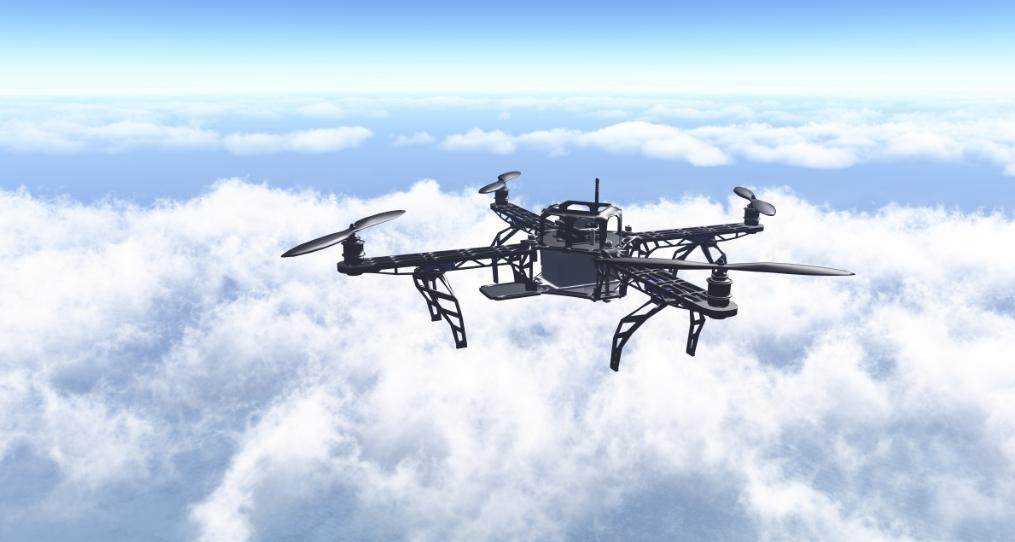
Exhibition participants noted that with the help of transponders, aviation authorities will be able to ensure the interaction of aircraft operators with law enforcement agencies and track all legal UAVs in the air in real time.
At the same time, it is not enough to simply identify the devices, it is also necessary to teach the automation to interact with each other in order to minimize control from the ground.
New software will allow the creation of interceptor drones that will target enemy aircraft-type UAVs. This will protect flight zones from unnecessary exposure to electronic warfare (EW) systems and will allow neutralizing devices precisely, without illuminating civil aviation equipment.
Earlier www1.ru reported that the "Caliber" carrier submarine "Magadan" made a deep-sea dive off the coast of Kamchatka.
Read more materials:
The legendary VAZ-2114 "Samara" was converted into an ATV for the Russian military: amazing shots
The imagination of craftsmen knows no bounds: the BMP-2 was equipped with a makeshift mine trawl
Kalashnikov will begin retail sales of a first-aid kit from the latest Legionnaire military equipment
Never miss our newsAdd this site to your preferred sources to see us more oftenAdd on Google

















