At Perm National Research Polytechnic University (PNRPU), a method has been developed for producing ceramic bricks from water treatment waste. This was reported in the press service of the university.
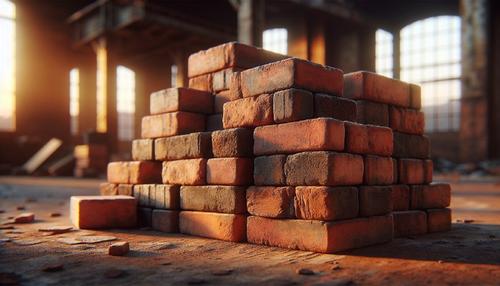
Currently, progressive methods of utilizing water treatment sludge are being actively researched, where components useful for chemical, metallurgical, and other industries are extracted from technogenic raw materials. Such waste can be used as a modifier for the production of bricks.
The results showed that adding 20% of water treatment sludge increases the plasticity of the ceramic mass.
The introduction of waste at 14.2% and 15% respectively at a firing temperature of 1,050°C allows obtaining products with the required density and water absorption level.
The implementation of the results of this study may increase the prospects for the secondary use of sludge in the construction industry.
Earlier, www1.ru reported that scientists from Yekaterinburg created special bricks to contain radiation at nuclear power plants.
Read materials on the topic:
Roads from sludge: in Perm, a way was invented to build roads from soda production waste
Kilograms and tons of plastic per hour: how new eco-fuel is created from waste in Russia
Never miss our newsAdd this site to your preferred sources to see us more oftenAdd on Google

















