The Russian government has cut the target for the production of domestic aircraft by 2030 by more than 1.5 times, according to the plan to achieve national development goals approved by Prime Minister Mikhail Mishustin on January 9.
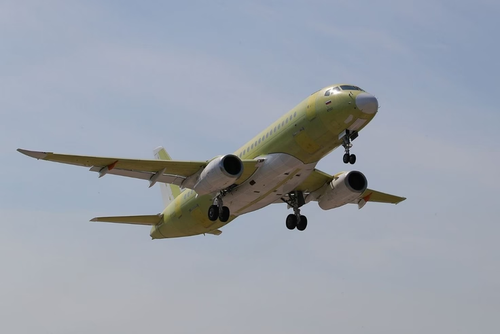
If initially it was planned that by 2030 at least 80% of aircraft in the fleet of airlines would be domestic, now the target has been reduced to 50%.

In June 2022, Yuri Borisov, who was then Deputy Prime Minister, stated at a government meeting that the share of domestically produced aircraft should increase to 81% by 2030.
In addition, Borisov added, it is planned to establish the production of Il-114-300 aircraft with a volume of 70 units per year by 2030, as well as "Baikal" - 154 machines and "Ladoga" - 140 aircraft.
Read materials on the topic:
"Good machine": Russian SSJ-100s have fewer technical failures
Rosaviatsia is massively checking all Ansat helicopters and their modifications
Rosaviatsia revoked the flight rights of the Vityaz-Aero airline after the crash of its helicopter
Never miss our newsAdd this site to your preferred sources to see us more oftenAdd on Google