At Perm Polytechnic University (PNIPU), an innovative robotic system has been developed for automating and optimizing processes in agriculture, representing a modular agro-complex. This system uses modern technologies, such as machine vision and elements of artificial intelligence, to minimize the contact of plants with the external environment and create fertilizers from secondary agro-drains.
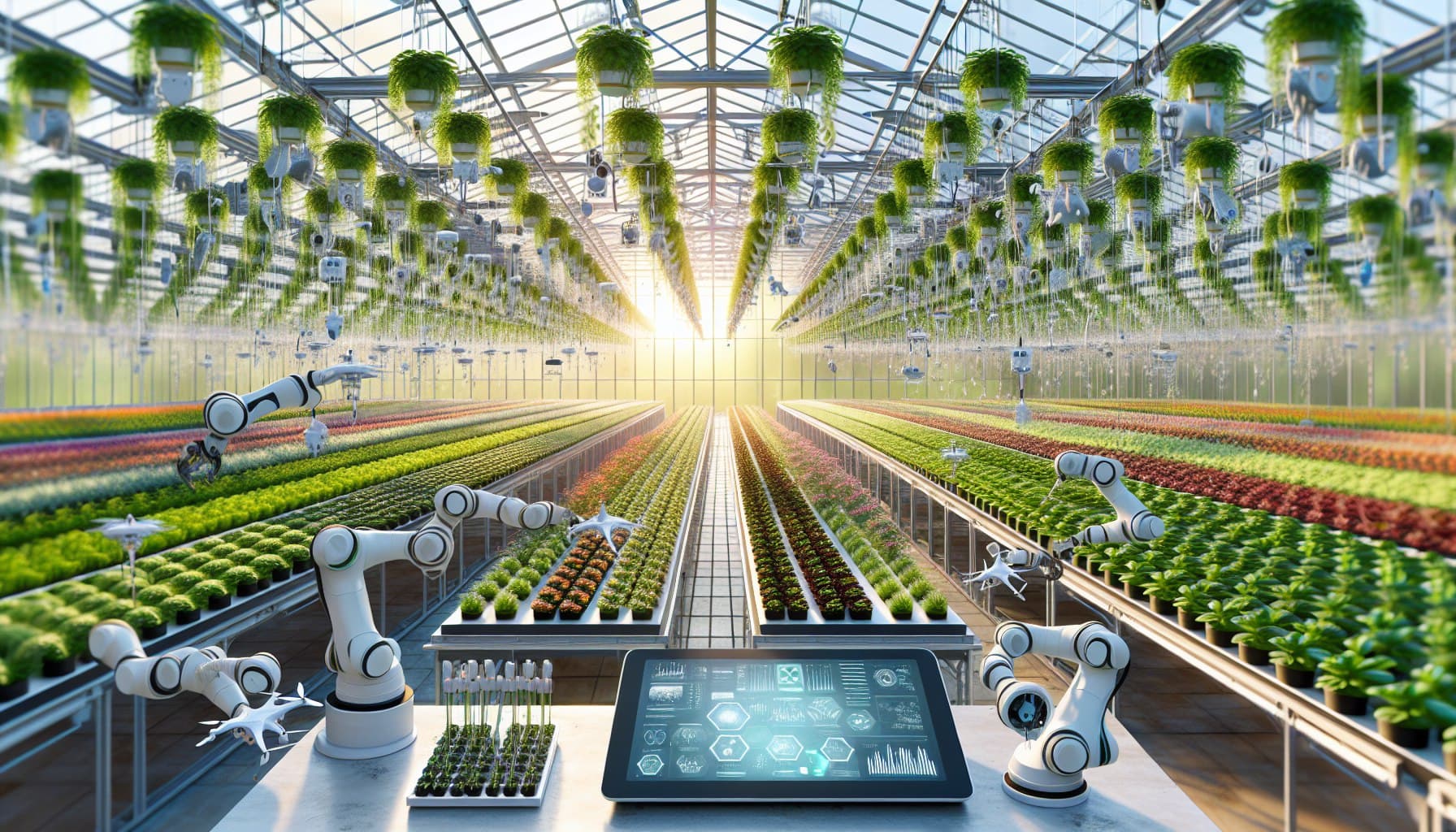
The system includes an automated greenhouse complex with a reactor for the synthesis of magnesium ammonium phosphate fertilizer in the form of struvite. This process begins with the loading of agro-drains and agricultural effluents into the reactor, where they undergo a chemical reaction and are converted into struvite. The resulting fertilizer is then converted into a nutrient suspension using a nutrient solution preparation device. The suspension enters an intermediate tank and is further distributed to the roots of plants through a dosing system.
The innovative function of recognizing the agricultural situation is performed using a video camera, which captures the color of the leaves and other signs of plants. Based on these data, the controller determines the need for fertilizers and regulates their dosage, which prevents excessive application and ensures more accurate and efficient use of resources.
The greenhouse is equipped with an autonomous robotic trolley that moves along guide rails and is equipped with a device for the metered supply of nutrient solution to the roots of plants. The trolley is equipped with an industrial video camera connected to a control device that processes optoleptic information and controls technological equipment, including the reactor and pumps.
The developed complex also solves the problem of agro-industrial effluent disposal, turning them into useful fertilizers and promoting a waste-free agricultural process. This system not only supports healthy plant growth, but also helps to dispose of agro-drains without harming the environment, ensuring a closed cycle of production and application of fertilizers.
The system is capable of functioning in difficult conditions, such as areas of risky agriculture, where changes in weather and climate conditions can greatly affect yields. The use of such technology can significantly improve the efficiency and sustainability of agricultural production, providing a new solution for resource management and yield increase.
Read materials on the topic:
Legal norms for AI: Ministry of Economy clarifies the rules for regulatory sandboxes