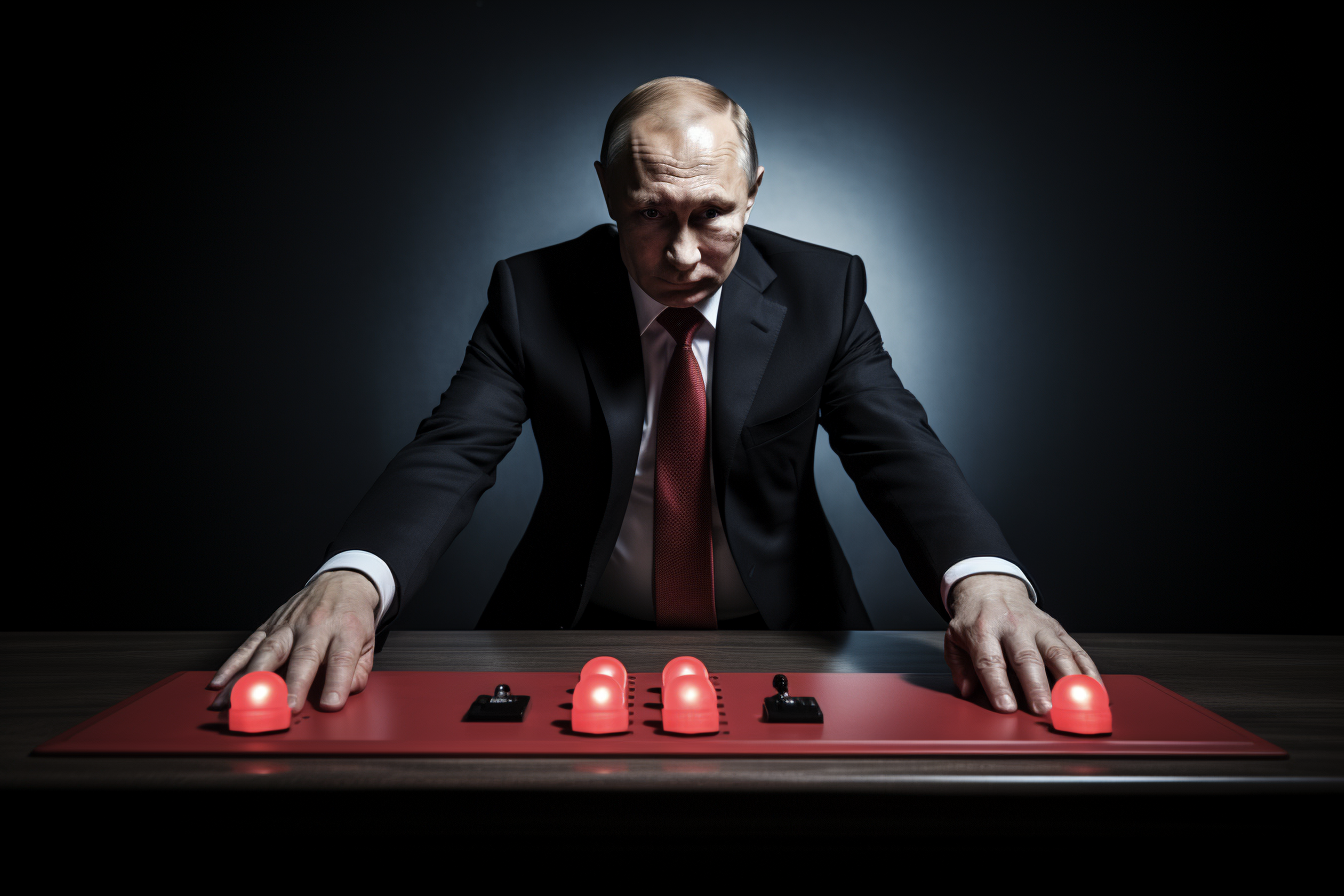
At yesterday's session, the Federation Council decided to approve the law revoking Russia's ratification of the Comprehensive Nuclear-Test-Ban Treaty (CTBT). According to Federation Council Speaker Valentina Matvienko, the United States' failure to fulfill its obligations under the Treaty renders the CTBT a mere formality.
Of course, it makes no sense for Russia to participate in this imitation any further
Matvienko's statements about the need to eliminate inequalities and restore justice shed light on Russia's position in international relations.
Sergey Kislyak, First Deputy Head of the Federation Council Committee on International Affairs, emphasizes that Russia remains a state that has signed the Treaty, retaining its rights and obligations. Deputy Foreign Minister of the Russian Federation Sergey Ryabkov, discussing the ratification of the CTBT, recalled the chemical explosion conducted by the United States at the Nevada test site, expressing the opinion that Russia considers it necessary to respond in kind to any actions that threaten nuclear stability. («On October 18, the US National Nuclear Security Administration announced an underground explosion at the Nevada test site using a chemical explosive. The stated goal is to increase the ability to detect low-yield nuclear tests»). According to Federation Council Vice Speaker Konstantin Kosachev, the CTBT cannot be considered a valid document, as it still «lacks three signatures and eight ratifications».
The revocation of ratification was first mentioned in the State Duma after V. Putin's remark at the plenary session of the Valdai International Discussion Club on October 5, 2023. There, the president confirmed that Russia had conducted tests in the Arctic of the Burevestnik missile with a nuclear power plant.
The CTBT was adopted by the UN General Assembly in 1996. Russia ratified it in 2000, while the United States and China have not yet done so. The decision has now been overturned by a law of the upper house of parliament.

That same evening, on Wednesday, the official Kremlin reported that the Supreme Commander-in-Chief of the Armed Forces of Russia, Vladimir Putin, conducted training with nuclear deterrence forces. During the training, practical launches of ballistic and cruise missiles were successfully carried out, emphasizing Russia's readiness to defend its interests in the nuclear field.
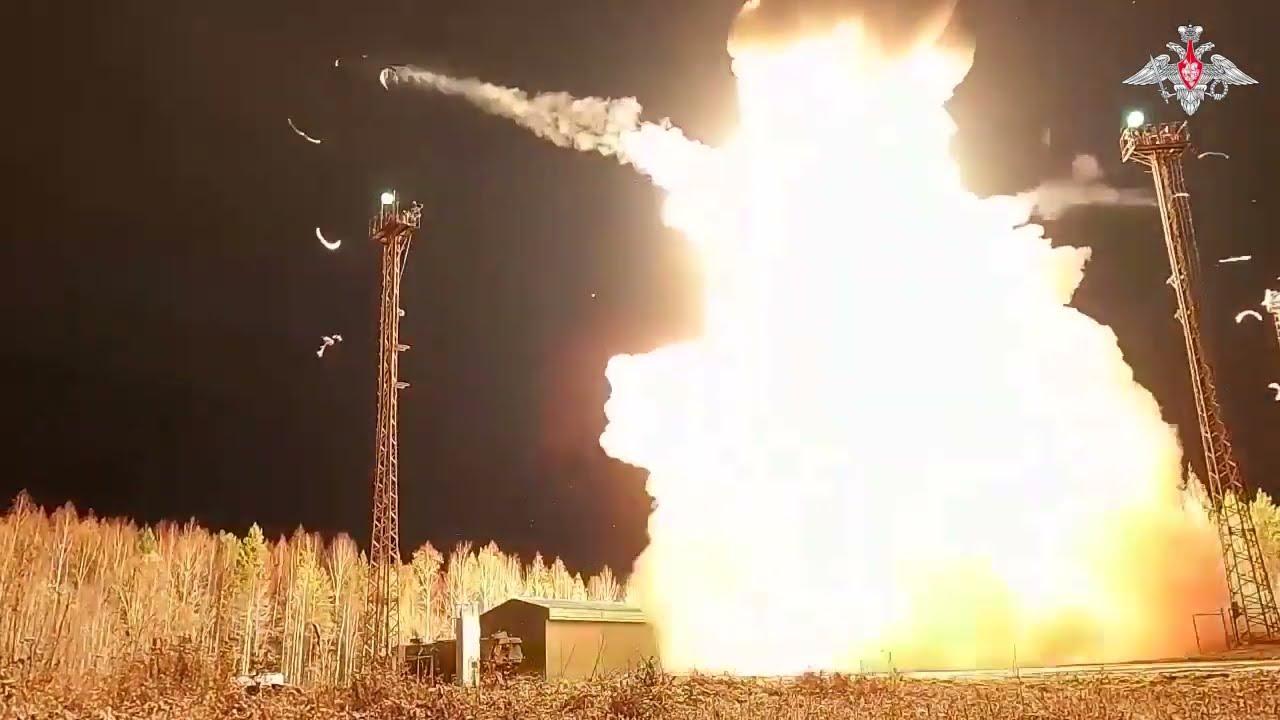
State television channels showed a report by Russian Defense Minister Sergei Shoigu and Chief of the General Staff of the Armed Forces of the Russian Federation Valery Gerasimov to President Vladimir Putin.
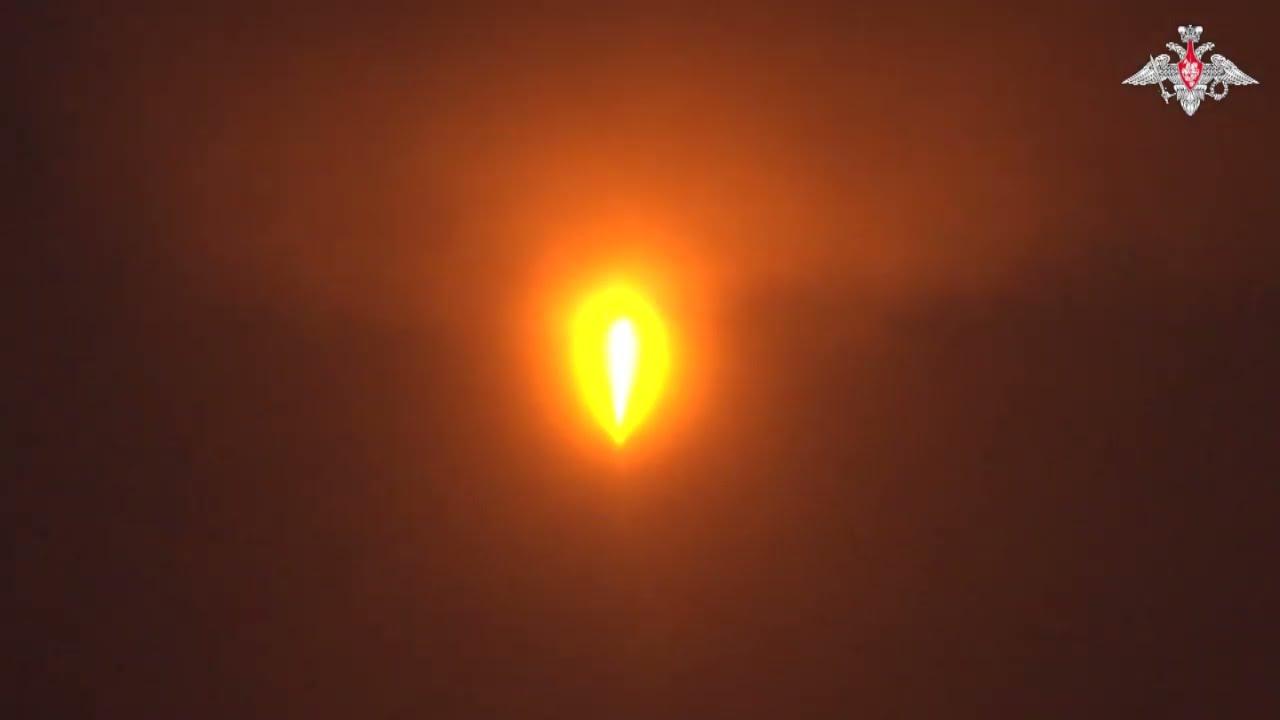
Putin followed the event via video link directly from the Kremlin's situation center. The president's press service emphasizes that during the launches, special attention was paid to checking the training of senior military leadership and the skills of operational personnel.
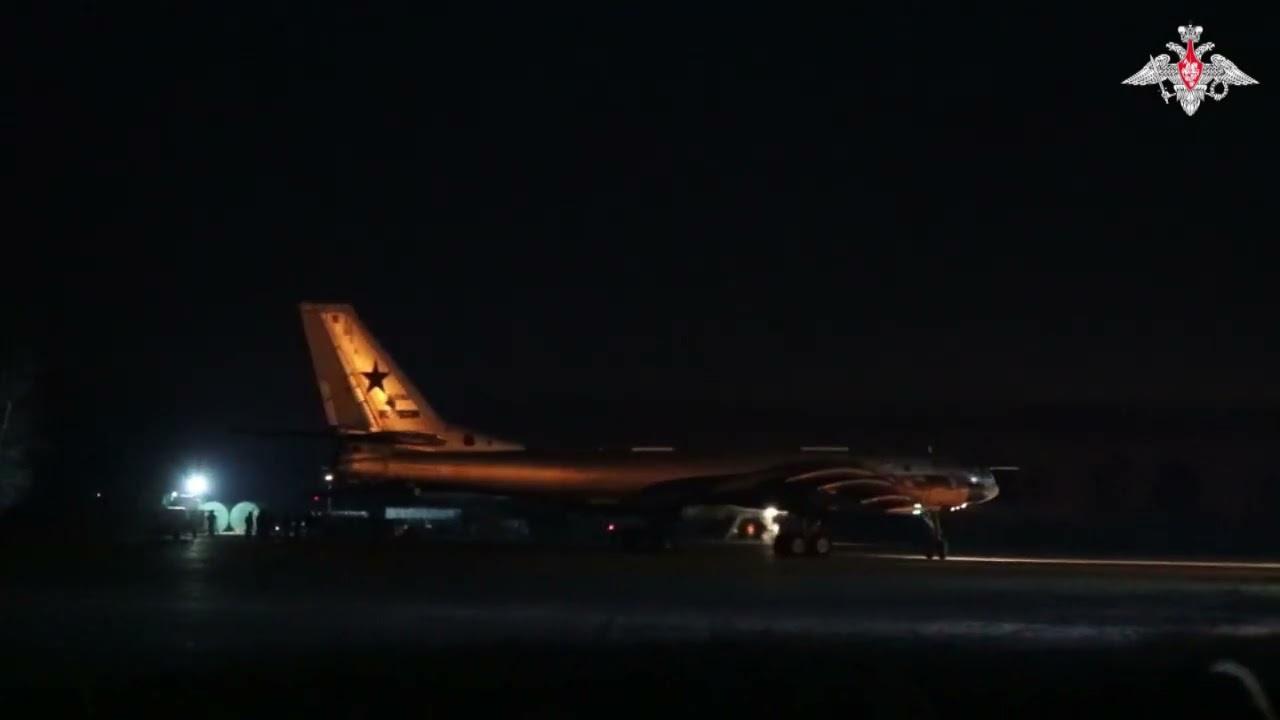
From the report of the head of defense Sergei Shoigu, it became known that the training was carried out in full.
Never miss our newsAdd this site to your preferred sources to see us more oftenAdd on Google