After the first photo of the two-seat Su-57 appeared online, discussions began about why Russia needed such a version of the fifth-generation fighter.
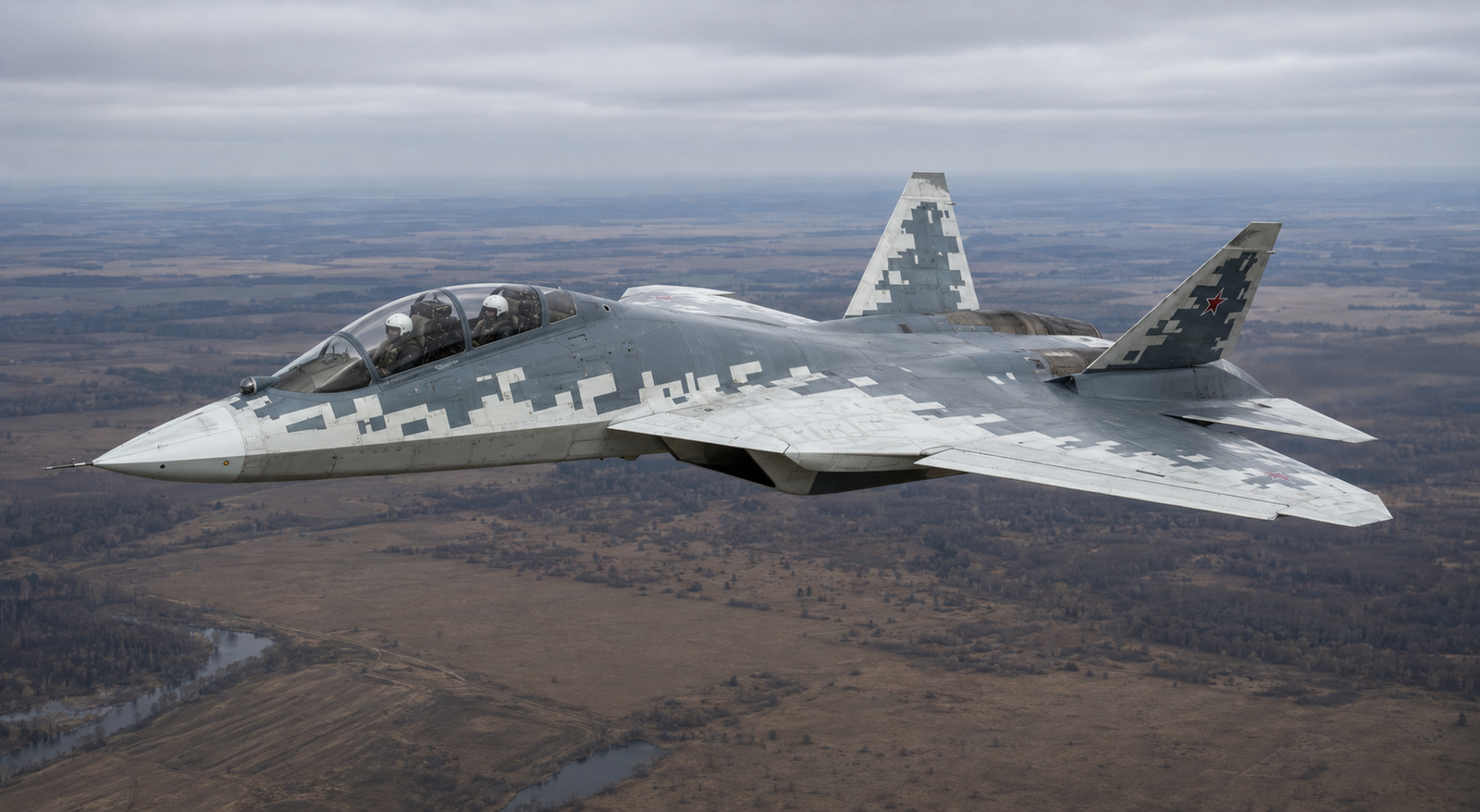
However, the official characteristics of the aircraft have not yet been published. "Pervyy Tekhnicheskiy" discovered a patent description of a promising fighter in an open database, which is associated with the two-seat version of the Su-57.
Emphasis on stealth
According to the document, it is a heavy, super-maneuverable new-generation fighter with elements of an airborne command post.
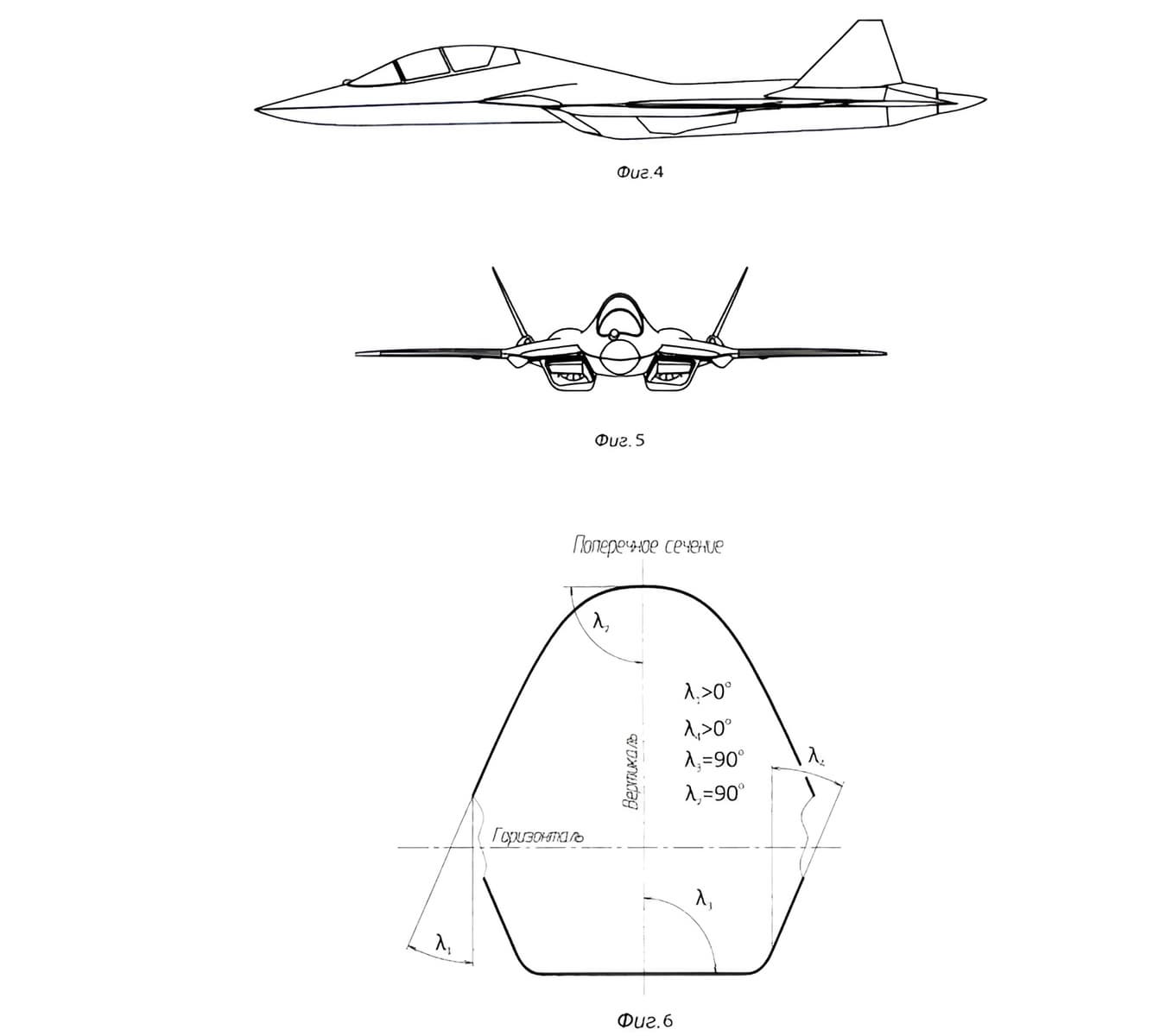
The aircraft received an integral layout with a smooth transition from wing to fuselage, internal weapon bays, and a twin-tail all-moving empennage. The main feature is the emphasis on stealth and network-centric warfare.
Engines are located in spaced nacelles
The project description indicates the use of a wing with a sweep angle of 49° and a small relative thickness — only 3–5%. This design reduces drag at supersonic speeds and simultaneously reduces radar visibility.
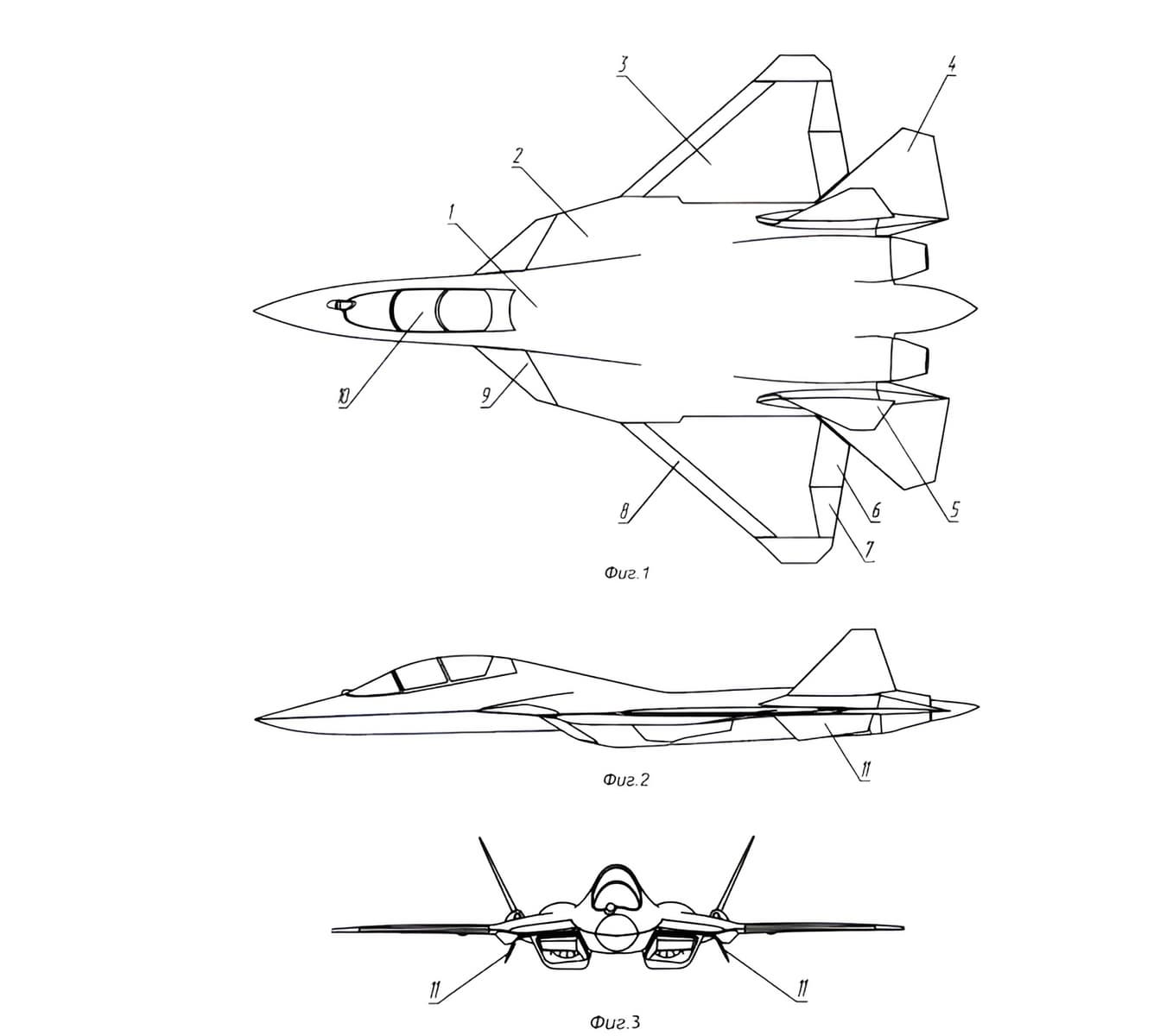
The engines are placed in spaced nacelles at an angle to the aircraft's axis, and the nozzles have thrust vectoring and reverse thrust. This indicates the project's orientation towards super-maneuverability.
Advanced communication system
Universal weapon bays are provided inside the fuselage between the engines. They can accommodate missiles, additional fuel tanks, reconnaissance pods, and even air-launched drones.
The aircraft also received a developed communication system: satellite channels, high-speed data transmission, and group communication between different types of aircraft.
Link with UAVs
Special attention was paid to the rear cockpit. The second crew member effectively becomes a combat network operator — he will be able to analyze data, coordinate a group of aircraft, and control UAVs.
The patent explicitly states that the aircraft is capable of performing the functions of an airborne command post even in conditions of active jamming and lack of long-range communication.
Read more on the topic:
- Su-57 vs. Chinese J-35A: India intends to compete with Pakistan in fighters
- The fate of the Su-57 abroad is in question: India demands access to source codes
- 6th generation fighter after Su-57: what it should be like
Never miss our newsAdd this site to your preferred sources to see us more oftenAdd on Google

















