The Su-47 "Berkut" still remains one of the most unusual aircraft in the history of world aviation. The fighter with forward-swept wings looked like a machine from a science fiction movie and sharply differed from everything else that took to the skies at the time. Many still believe that this project was decades ahead of its time.
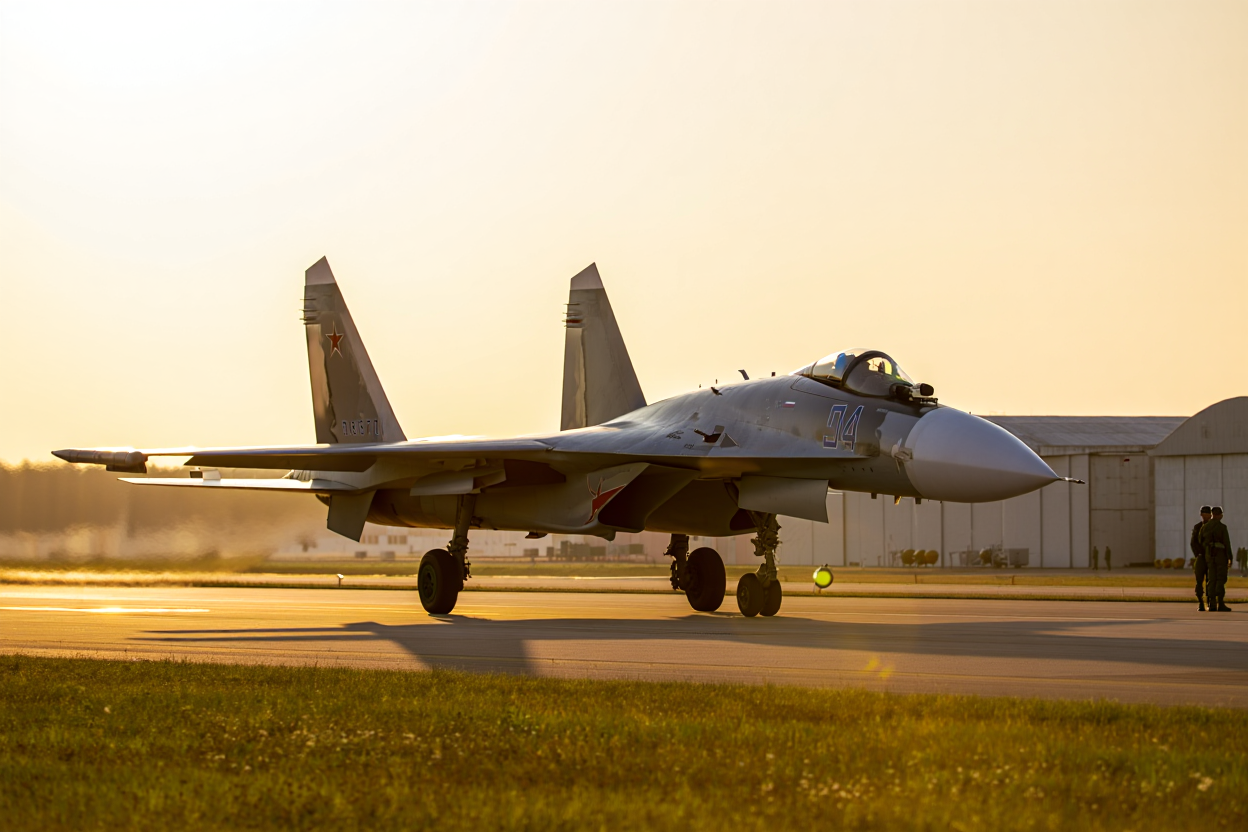
However, this revolutionary machine appeared during the most difficult period for the aviation industry. In the 1990s, the industry simply lacked the resources to bring such a complex aircraft into production.
"Pervyy Tekhnicheskiy" recalls what the Su-74 could have been — a new-generation heavy fighter with unique aerodynamics and super-maneuverability.
Why the "Berkut" was considered the aircraft of the future
The main feature of the Su-47 was its forward-swept wing. This design allowed it to maintain control at enormous angles of attack and literally "cling" to the air where conventional fighters would already lose stability.
The aircraft could perform extreme maneuvers with huge angular velocities and maintain control even under critical overloads. Many engineers viewed the project as a platform for future air superiority.
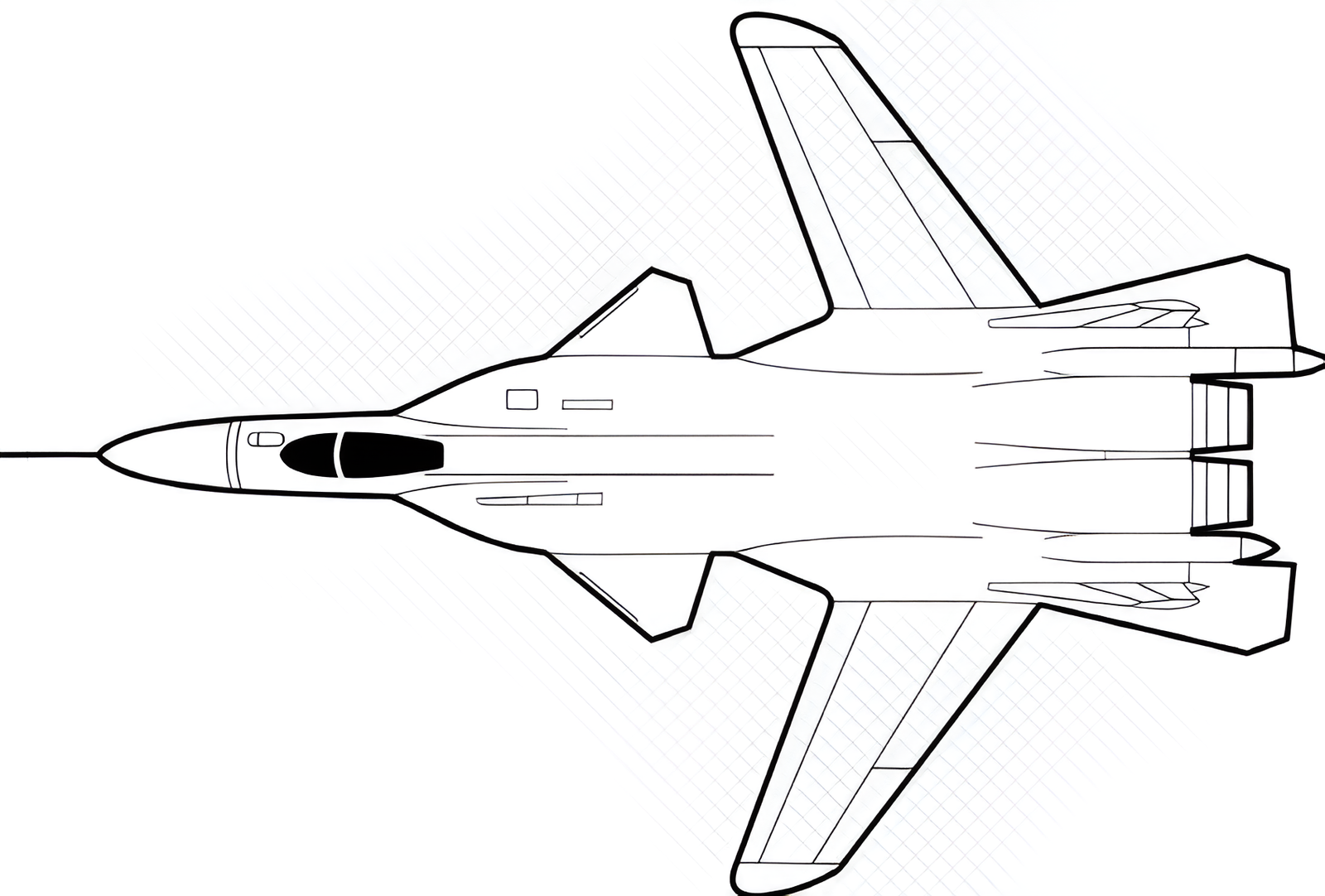
But the advantages came at the cost of enormous structural complexity. At high speeds, the wing experienced colossal torsional loads. Solving this problem required expensive composites, powerful control computers, and materials that were only just beginning to be mastered in those years.
What the Su-74 could have been
In an alternative reality, the Berkut's successor would have received a full-fledged stealth fuselage, internal weapon bays, and concealed air intakes. At the same time, the aircraft would have retained its signature forward-swept wing and super-maneuverability.
Presumably, such a fighter could have reached speeds of over 2200 km/h, carried up to 8000 kg of weaponry, and combined low observability with the ability to engage in close-range dogfights.
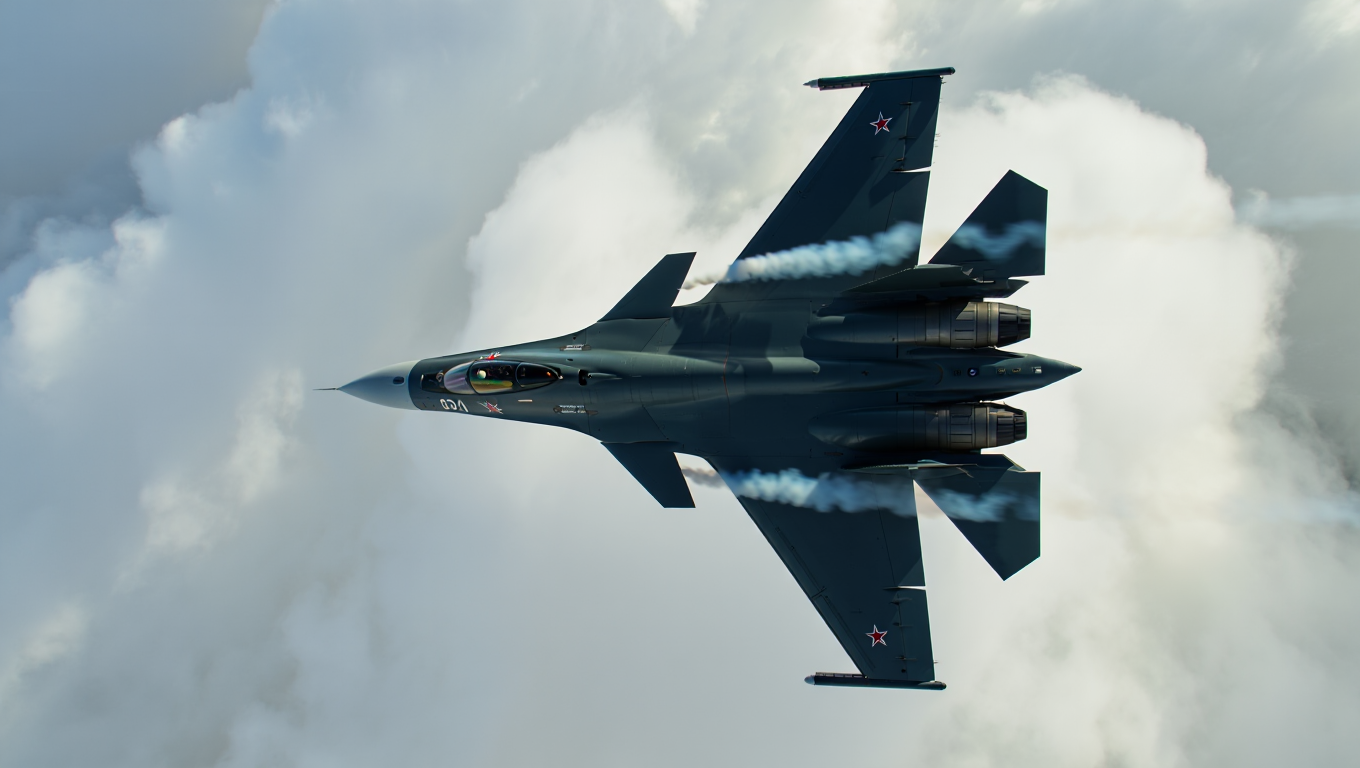
However, even today, such a machine would remain extremely expensive and complex. Modern aviation increasingly relies not on "dogfights" in the air, but on long-range missiles, networked systems, and stealth technologies.
That is why the hypothetical Su-74 would most likely not have become a mass-produced aircraft, but an elite heavy interceptor — something between the Su-57 and an experimental aviation platform of the future.
Read more on the topic:
Never miss our newsAdd this site to your preferred sources to see us more oftenAdd on Google

















