Heavy military transport aircraft are not just numbers in specifications, but a real ability to deliver cargo where there is no proper runway. In this class, two schools clash – the Russian Il-76MD-90A and the American Boeing C-17 Globemaster III.
"Pervy Tekhnichesky" compared the two aircraft by key parameters and determined the winner.
Payload Capacity
The Boeing C-17 Globemaster III lifts up to 77 tons and easily transports heavy armored vehicles, including main battle tanks. Its wide fuselage and powerful ramp give it an advantage in strategic logistics.
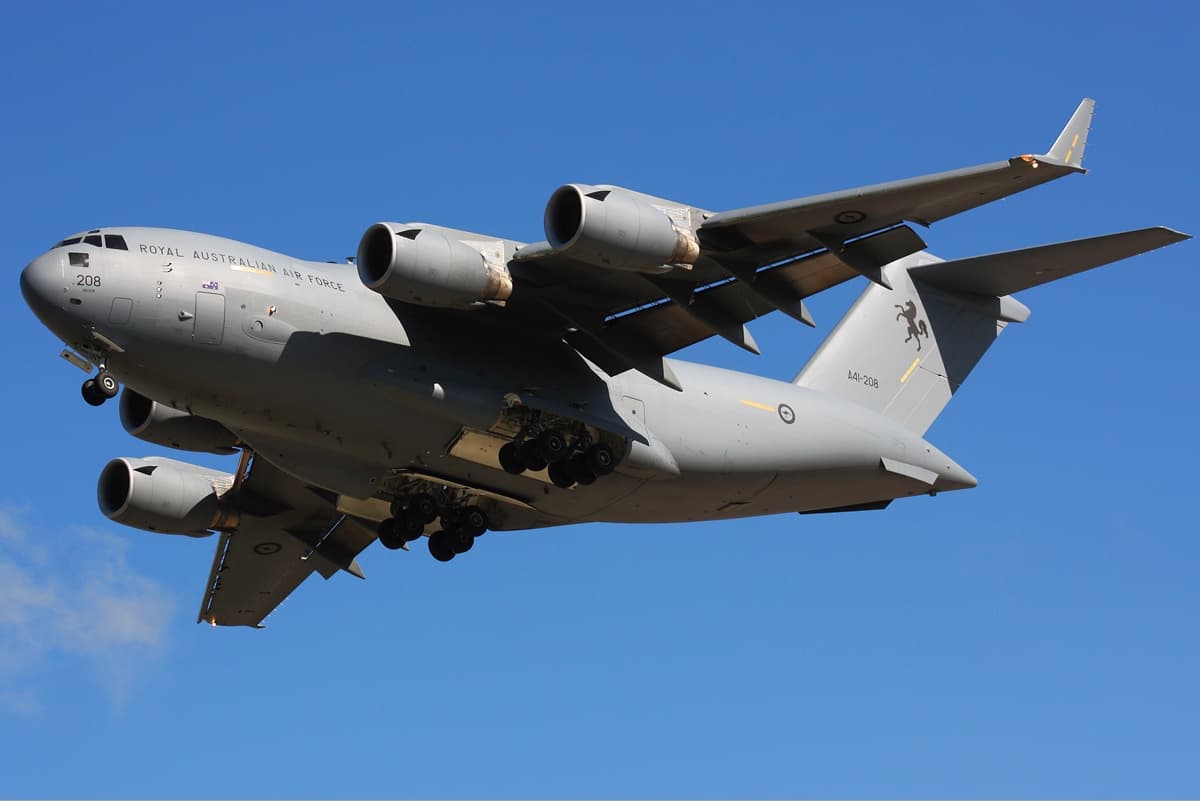
The Il-76MD-90A carries up to 60 tons. This is less, but sufficient for most tasks – from equipment to bulk cargo. However, the dimensions of the cargo cabin impose restrictions on particularly large objects, so the "American" wins here.
Flight Range
The Il-76MD-90A, with a load of about 50–52 tons, flies up to 5000 km. This is a stable indicator for intercontinental transfers without additional conditions.
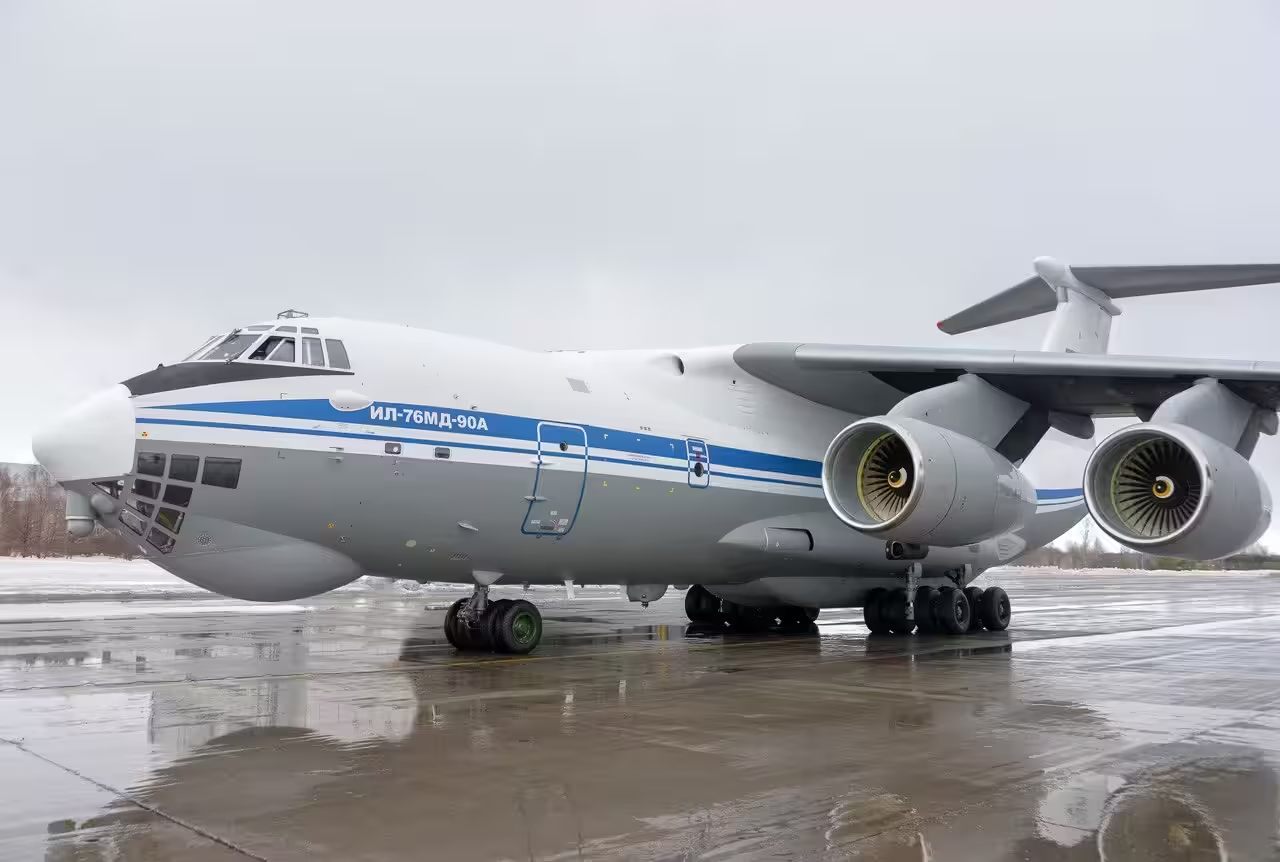
The Boeing C-17 Globemaster III shows a comparable range with a similar load – about 4500–5000 km. The difference is minimal and depends on the flight profile and weight.
Important: both classes of aircraft have in-flight refueling, so using it as an argument for "victory" is incorrect. We'll call it a draw.
Takeoff and Landing
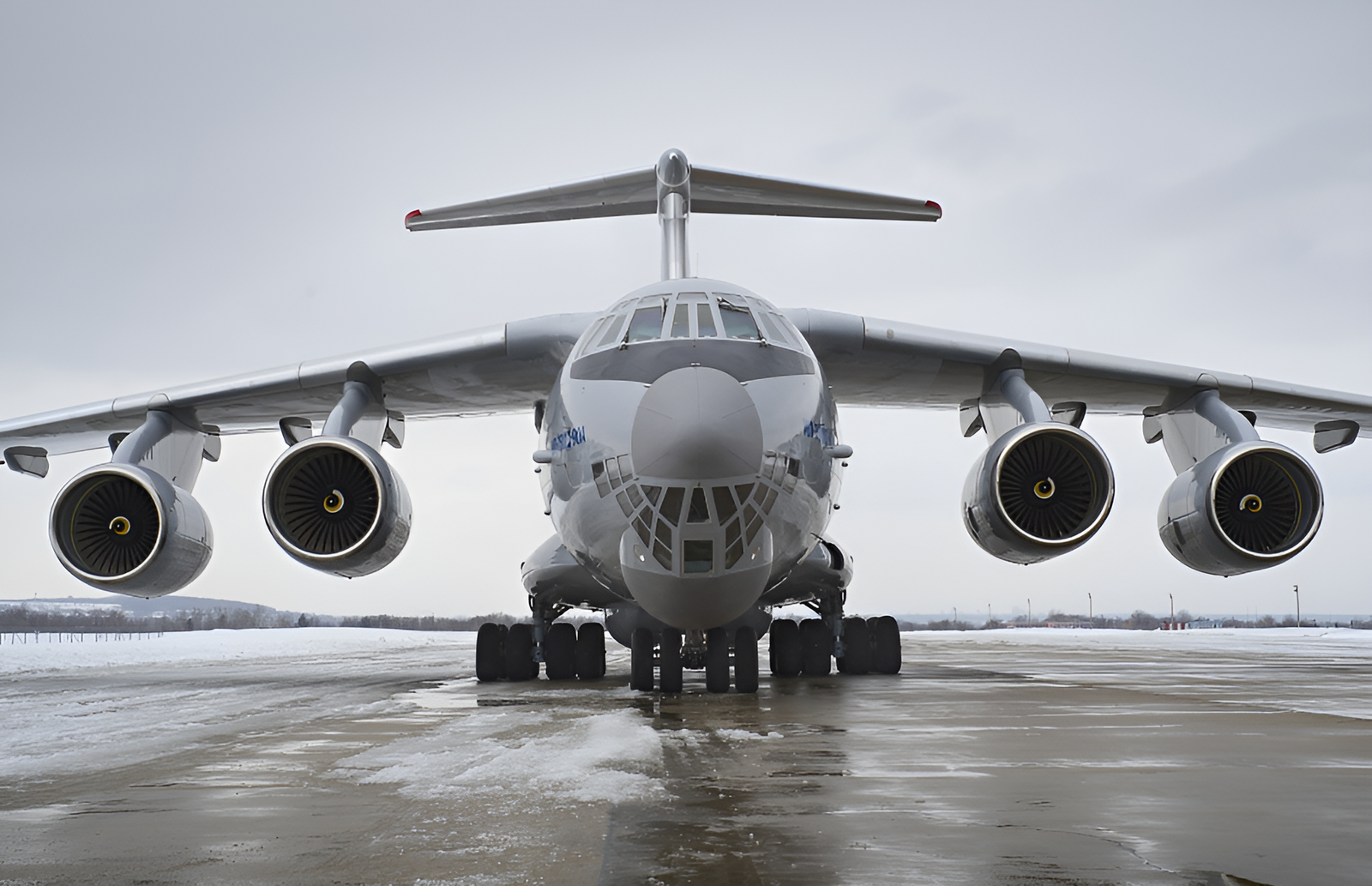
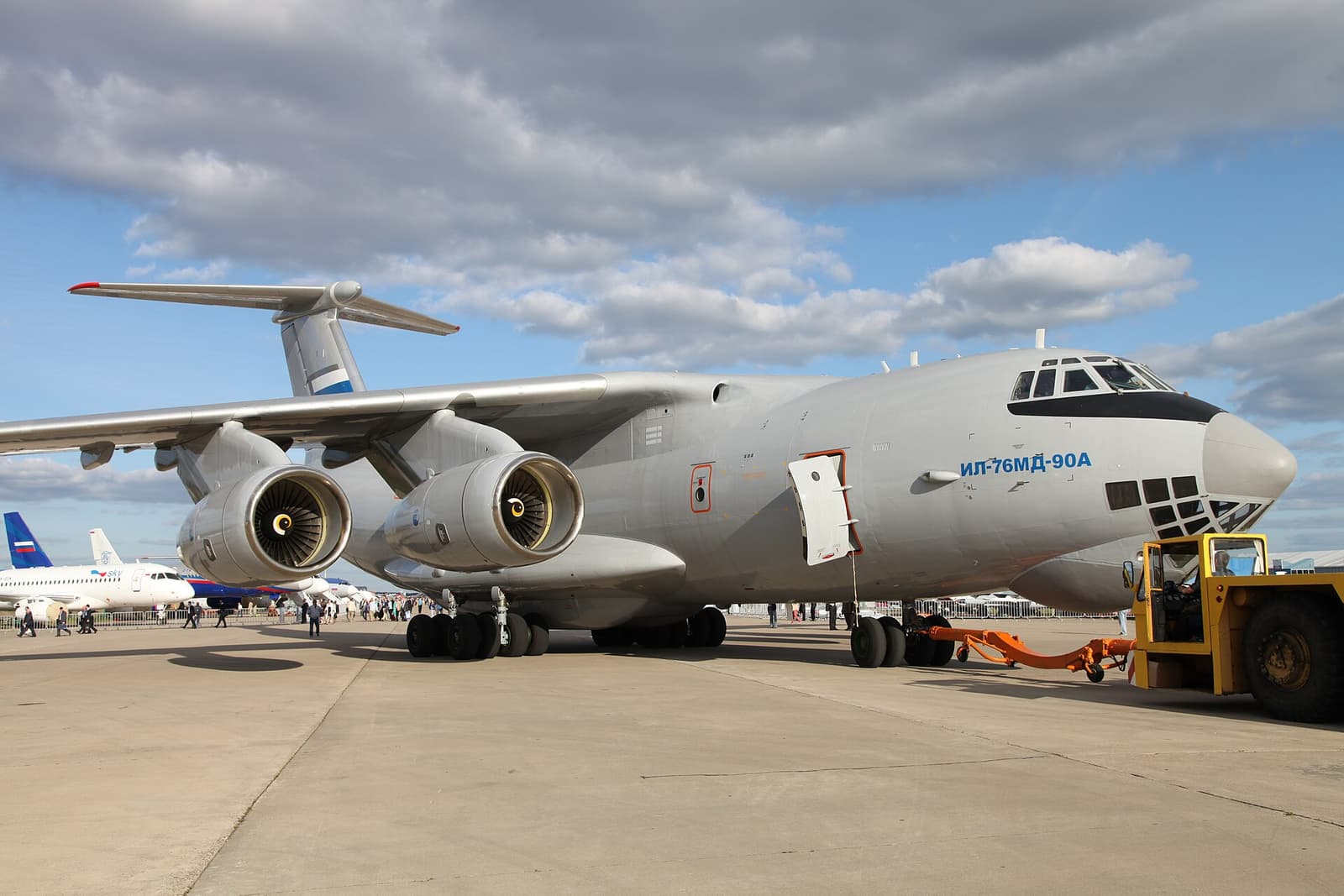
The Il-76MD-90A was originally designed for harsh conditions. The landing distance with reverse thrust is about 900–1000 m, and the multi-wheel landing gear with low pressure allows it to operate from unpaved, snowy, and unprepared runways.
The Boeing C-17 Globemaster III can take off and land on short runways about 1000–1200 meters long. However, its capabilities depend on the surface condition and cargo weight. Low-mounted engines limit its use on airfields with poor surfaces.
In real harsh conditions – loose ground, snow, lack of preparation – the Russian aircraft feels more confident. We give a point to the "76th".
Economy and Operation
The Il-76MD-90A is simpler in design and maintenance. New PS-90A-76 engines reduced fuel consumption, but most importantly, it remains field-repairable.
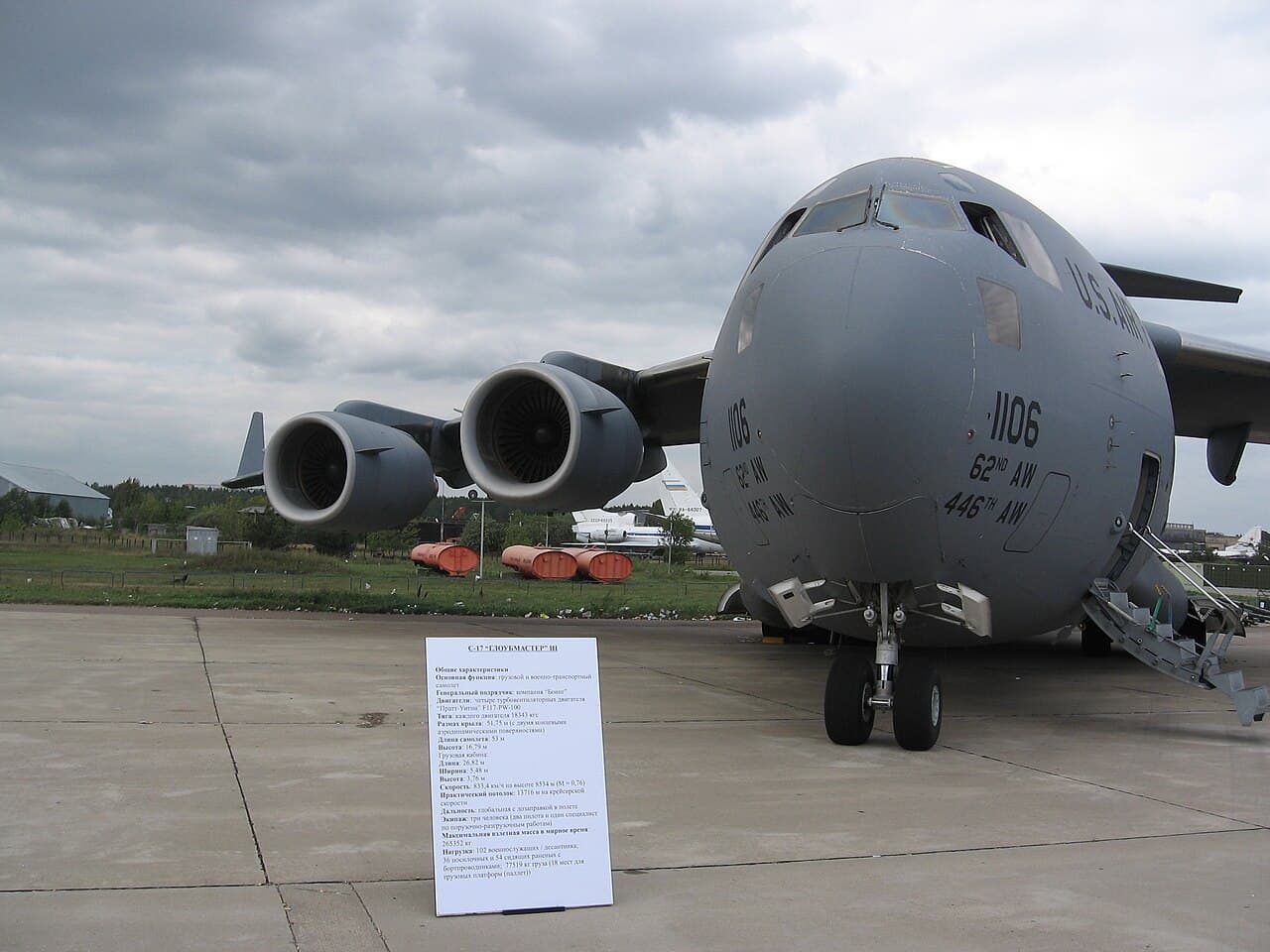
The Boeing C-17 Globemaster III is more technologically advanced but requires developed infrastructure and more expensive maintenance. Its strong point is operating within an established global logistics system. Here, the Il-76MD-90A is stronger.
Versatility of Application
The Il-76MD-90A is a versatile platform that is equally confidently used as a transport, refueler, or base for special aircraft, including AWACS.
The Boeing C-17 Globemaster III effectively operates as a strategic transport: intercontinental transfers, rapid delivery of equipment and troops.
Both aircraft cover a wide range of tasks, but they do so differently. A draw would be fair.
Final score – 2:1 in favor of the Il-76MD-90A.
The American aircraft is good in payload capacity and the convenience of strategic logistics. The Russian one is good in real "field" operation, where ground conditions, cold, and lack of infrastructure play a role.
It is important to emphasize that the Il-76MD-90A is currently in serial production in Ulyanovsk, while C-17 production ceased in 2015. That is, ours is a developing platform, and theirs is a legend living out its days.
Read more on the topic:
Never miss our newsAdd this site to your preferred sources to see us more oftenAdd on Google

















