A comparison of missile weapon ranges shows that leadership depends on the class of system — from operational-tactical complexes to intercontinental missiles. Direct comparison is conditional, since the flight profile, warhead type, and mission objectives seriously affect real-world effectiveness.
Maximum range is most often achieved by ballistic missiles, which send warheads onto a high trajectory and use inertial flight. However, in real conditions, the key role is played not only by the maximum radius, but also by flexibility of use, accuracy, and launch preparation time.
5. LGM-30G Minuteman III (USA)
Range — 13,000 km. A veteran of the American nuclear forces. Despite its age, it remains an accurate and reliable instrument, although in range the missile already trails Asian and Russian newer systems.
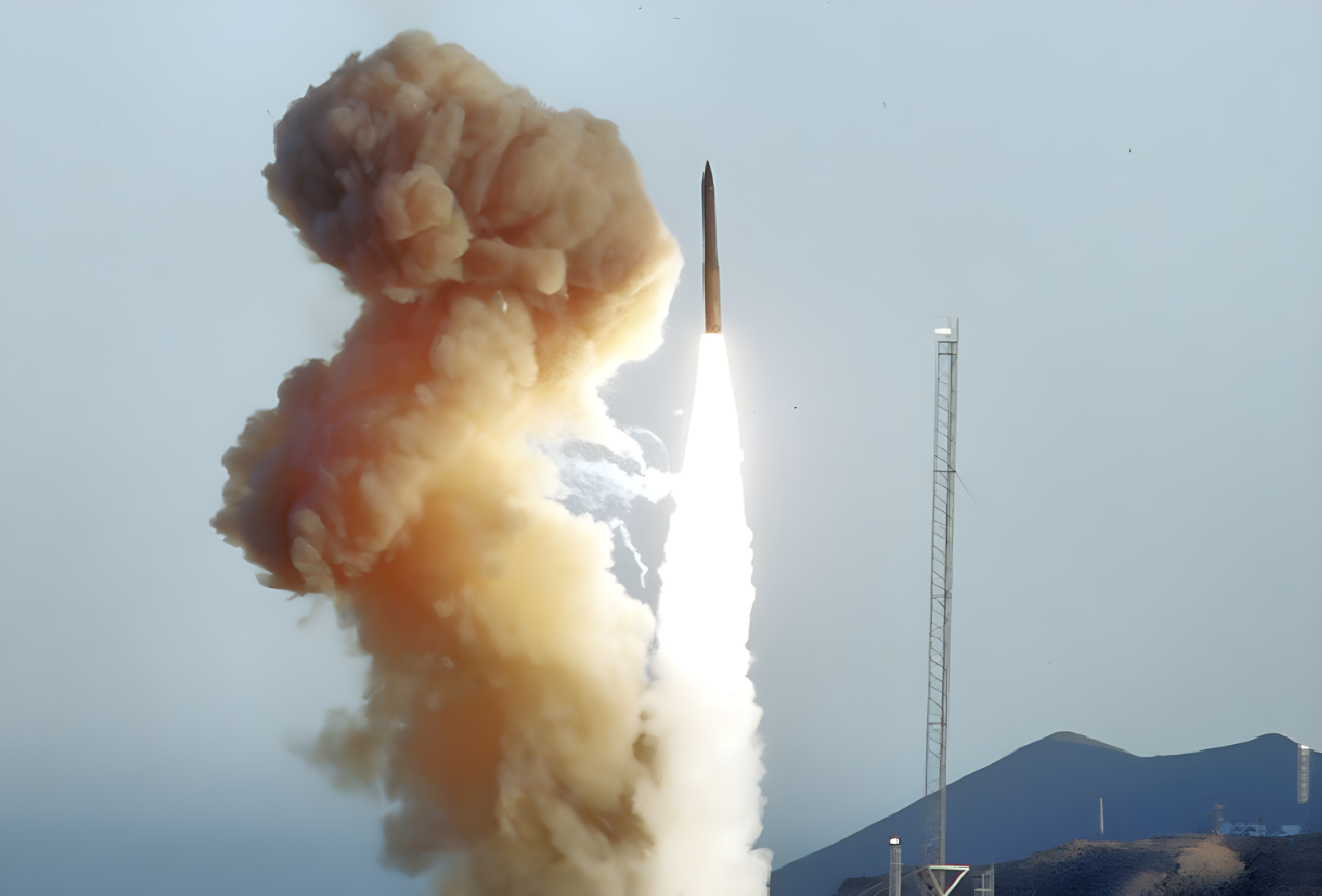
The USA is now actively working on a replacement — the Sentinel missile, in order to return to the top 5.
4. DF-41 (China)
Range — up to 15,000 km. One of China’s key mobile intercontinental missiles.
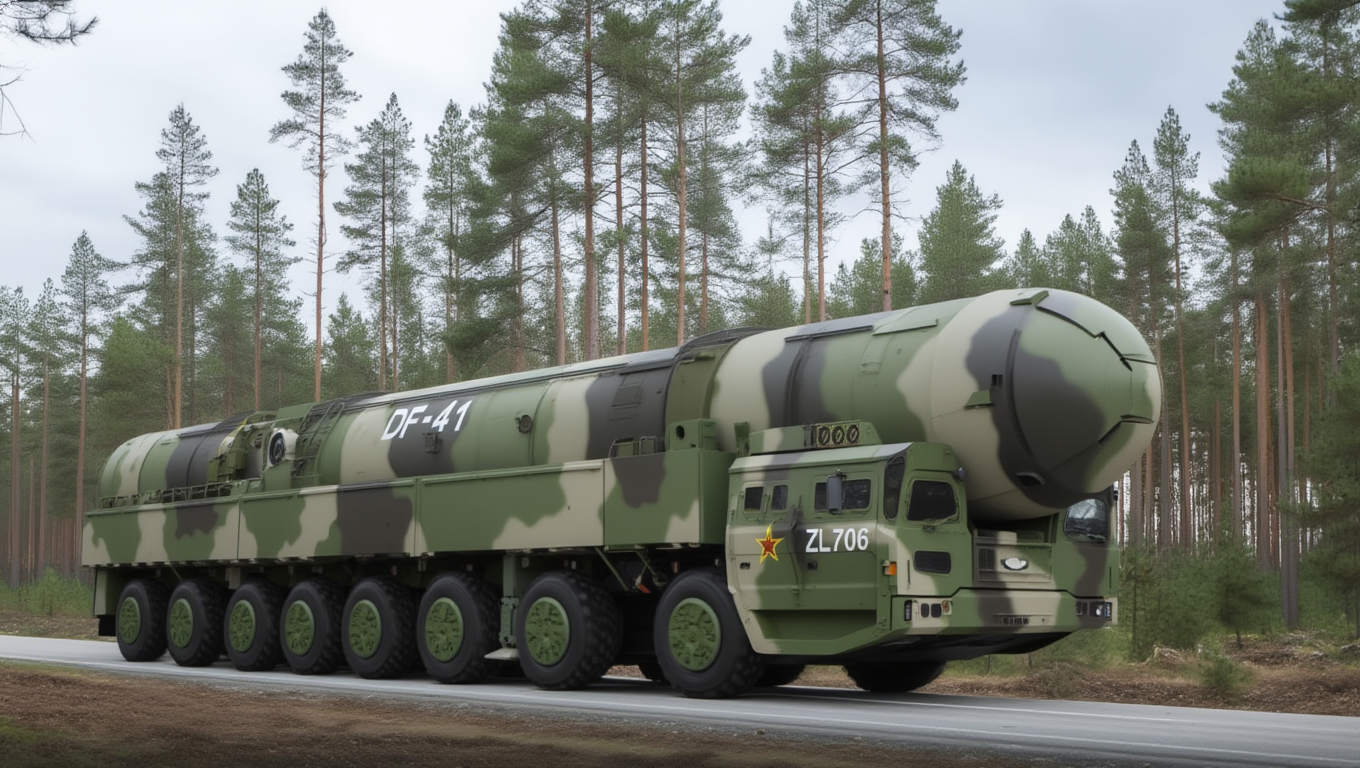
The system is deployed on mobile launchers, which increases its concealment and resistance to detection. It is equipped with multiple independently targetable warheads.
3. Hwasong-19 (DPRK)
Range — over 15,000 km. The newest North Korean ICBM, presented as a development of previous generations of heavy missiles.
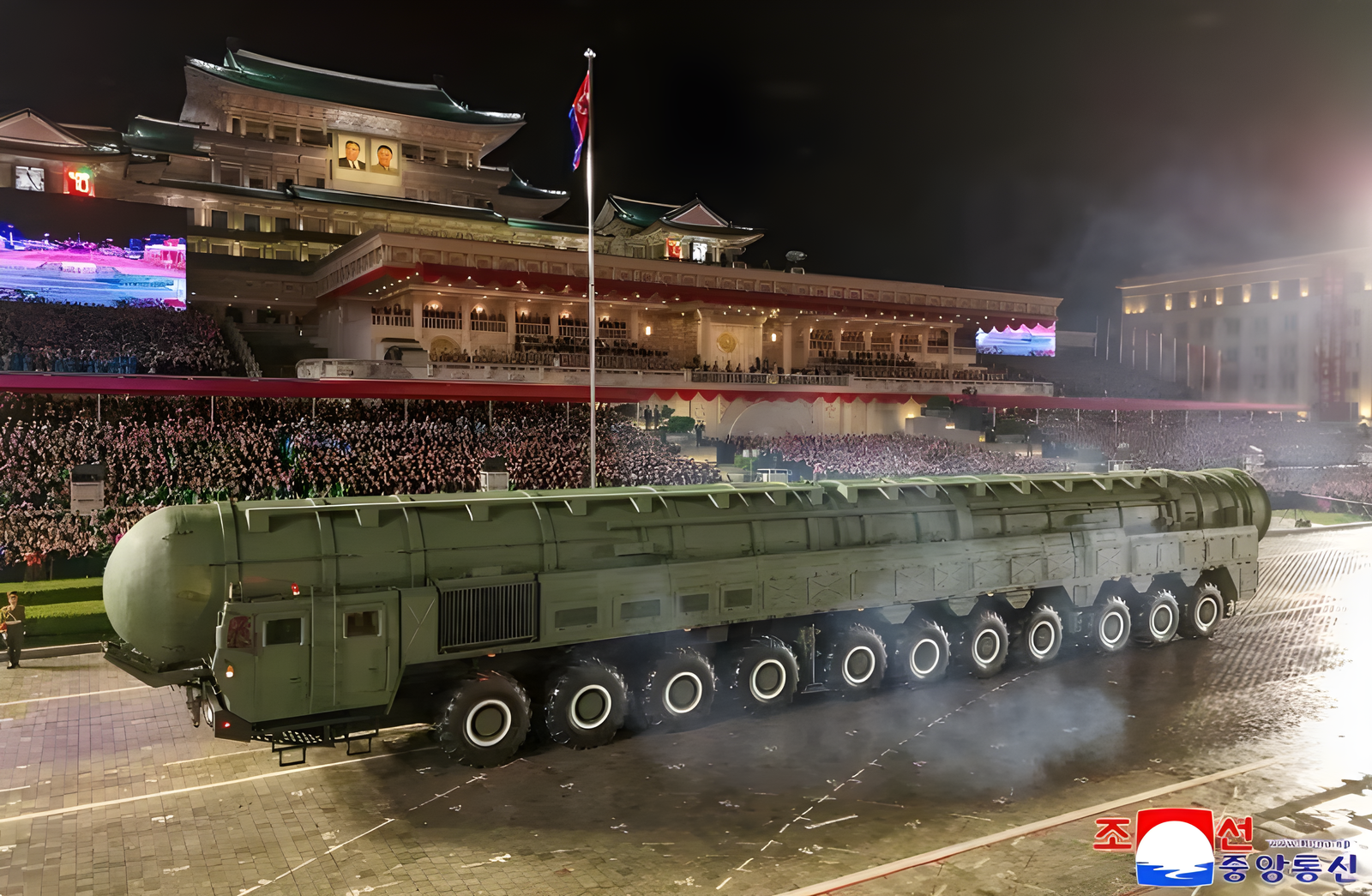
According to the stated characteristics, it is capable of reaching intercontinental distances, including the territory of the USA. Exact parameters remain a matter of specialist assessment.
2. RS-20V "Voevoda" (USSR)
Range — up to 16,000 km. One of the most powerful heavy liquid-fueled intercontinental missiles of Soviet design, which for a long time remained the backbone of strategic forces.
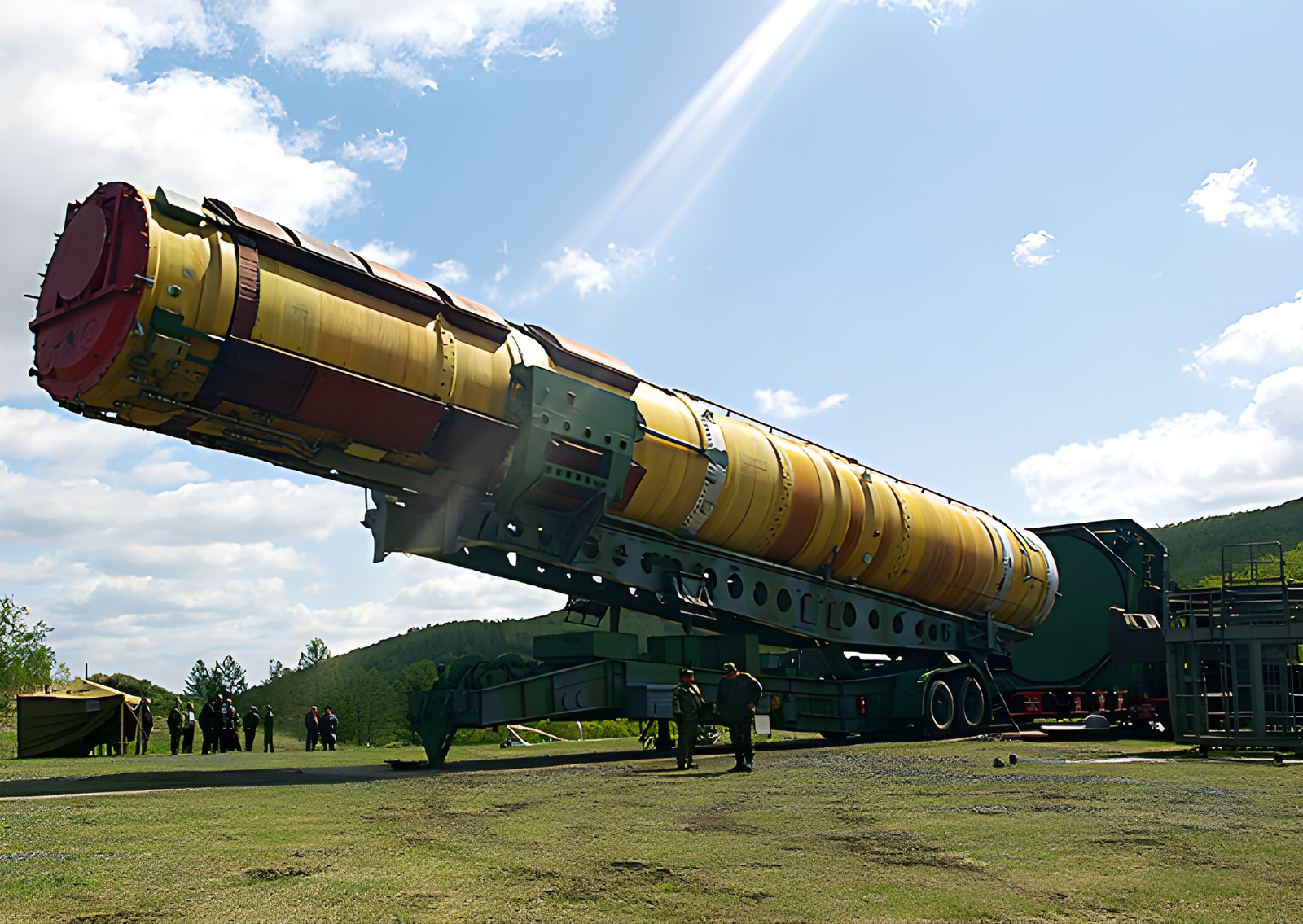
It is capable of carrying multiple warheads and overcoming missile defense systems through a complex trajectory.
1. RS-28 "Sarmat" (Russia)
Range — up to 18,000 km. A modern heavy intercontinental missile, developed as a replacement for "Voevoda". It has a large energy reserve, which makes it possible to use non-standard flight trajectories, including bypass routes through the southern direction.
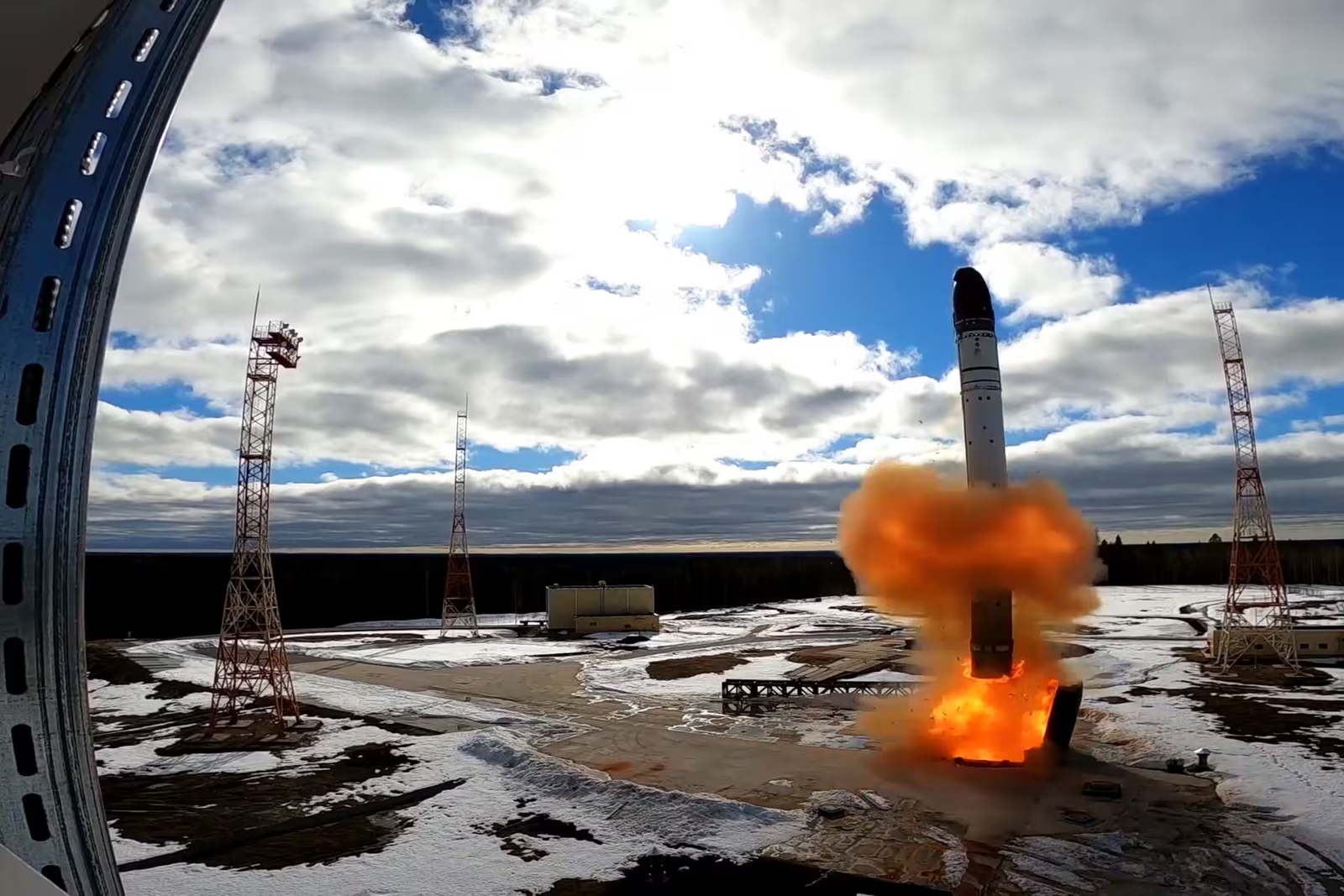
It is regarded as one of the key elements of the new-generation strategic forces.
Intercontinental Missiles Are a Special Class
Intercontinental-level systems are initially designed for maximum range, but their use is tied to global strategic deterrence missions.
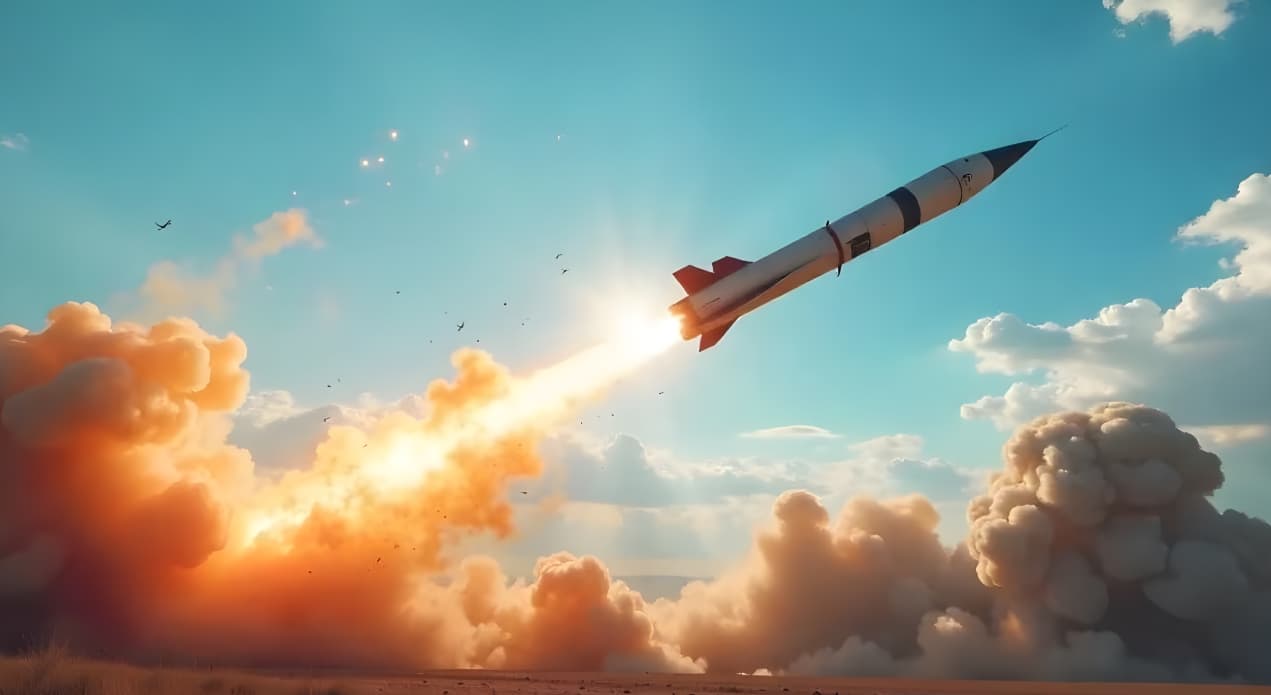
Therefore, comparing missiles by range always remains conditional. The leaders in maximum radius are heavy intercontinental systems, but in real conflicts, medium- and short-range systems are used more often. Therefore, the final positions reflect not only kilometers, but also real applicability in combat conditions.
Read more on the topic:
- Sarmat, Avangard, Zircon, Oreshnik, and Burevestnik Missiles: Are They Really "Unrivaled"?
- A clear comparison of the RS-28 Sarmat with Western missiles has appeared: the result is not in favor of the LGM-30G Minuteman III and DF-41
- ICBMs "Yars", "Sarmat" and "Topol-M": NYT Analysis Impressed by Russia's Missile Arsenal
Never miss our newsAdd this site to your preferred sources to see us more oftenAdd on Google