Target engagement range is one of the key parameters of modern air defense systems. However, this indicator directly depends on the type of missile used: the same complex can demonstrate different characteristics depending on the configuration.
Therefore, a direct comparison is always conditional, but it is the maximum range that allows you to understand the potential of the system.
5. SAMP/T NG (France/Italy)
The new modification with a range of up to 150 km with Aster 30 B1 NT missiles is focused on intercepting complex aerodynamic targets and short-range ballistic missiles.
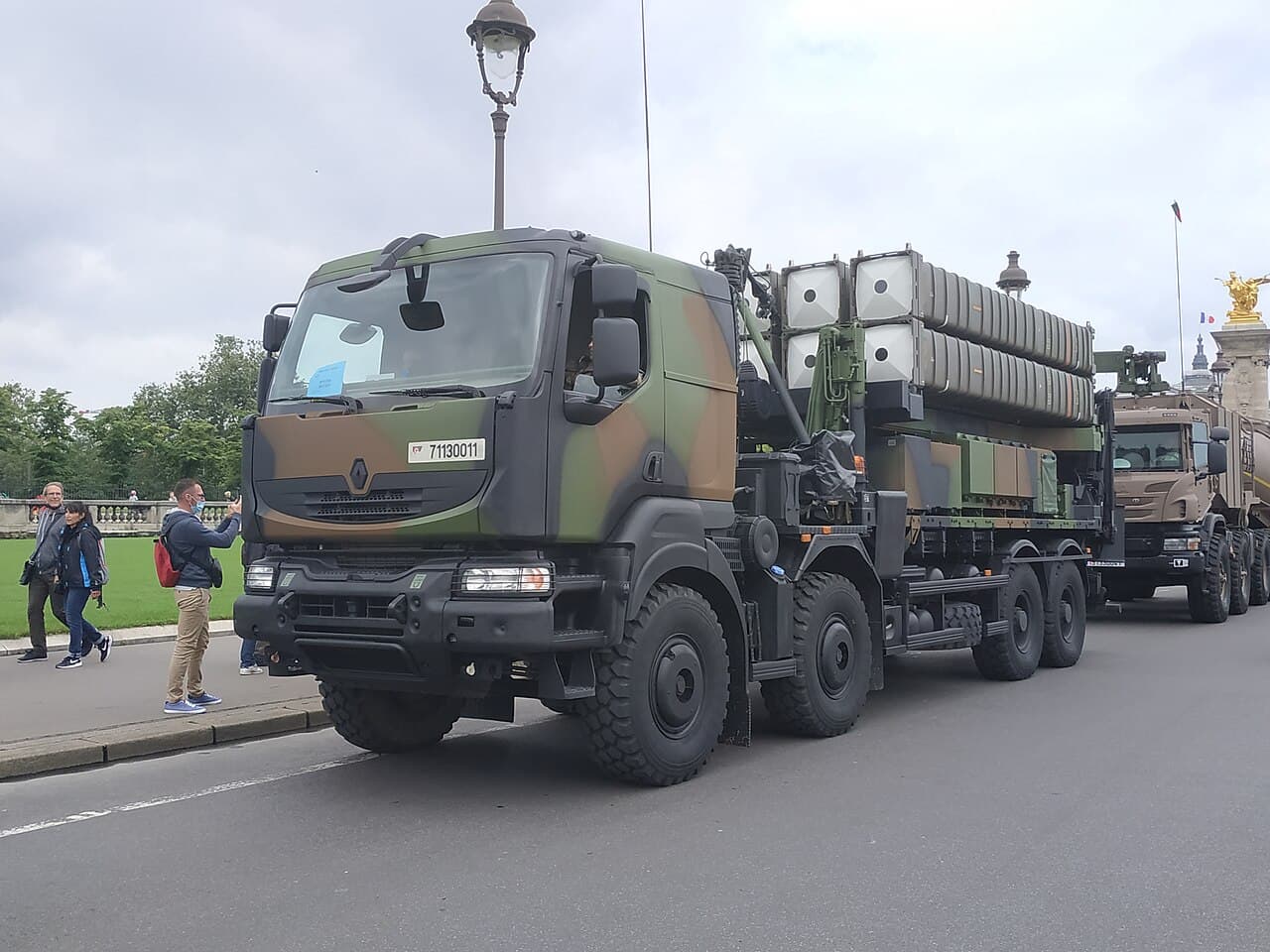
The complex relies not on a record radius, but on accuracy and resistance to modern EW equipment.
4. HQ-9B (China)
The Chinese long-range system is capable of operating within a radius of up to 250 km (and according to some estimates, even more).
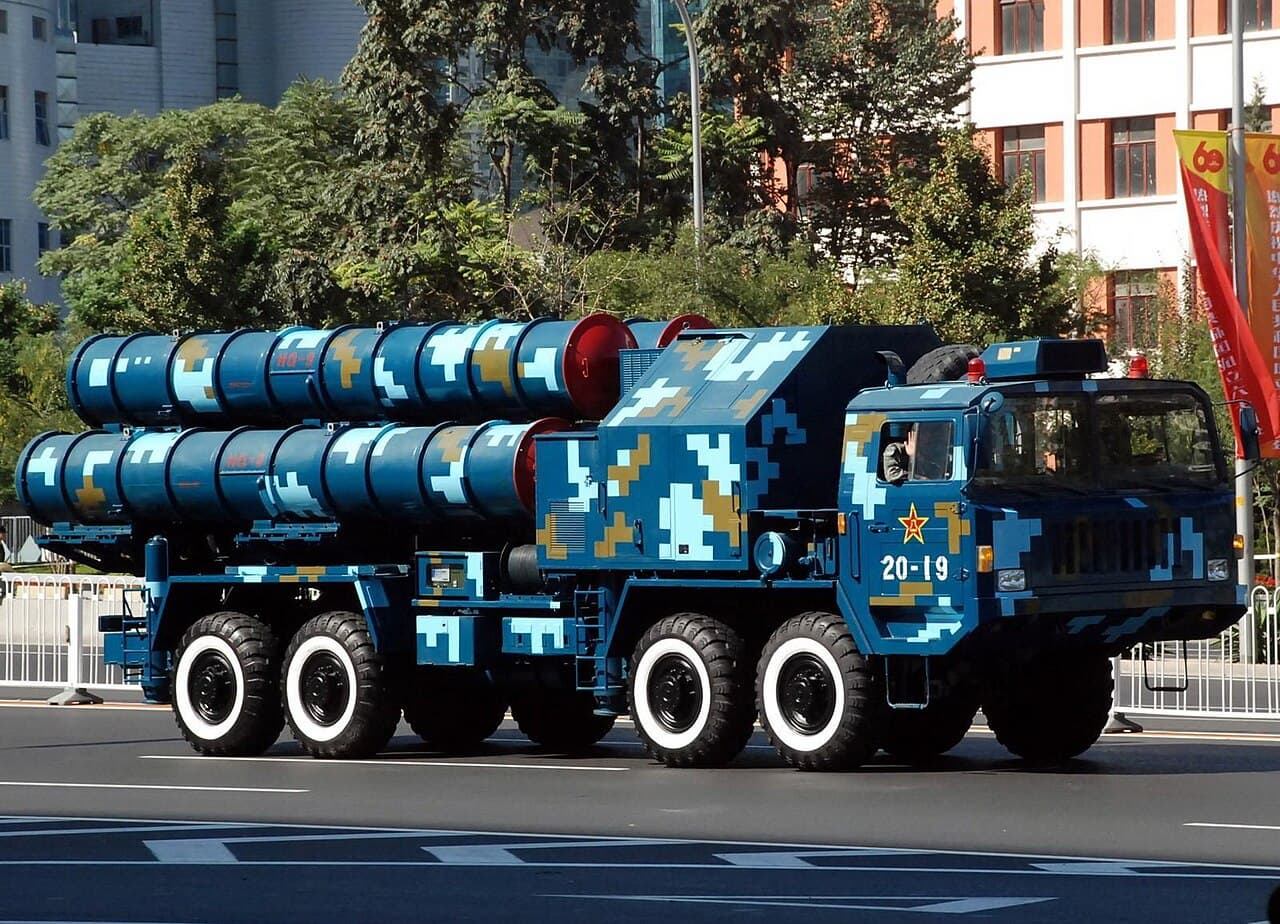
Developed with an eye on the solutions of the domestic S-300, in the latest versions, the complex received active homing heads, which expanded the interception capabilities at long distances.
3. SM-6 / RIM-174 (USA)
One of the longest-range Western missiles, with a range of about 370 km. Initially ship-based, but adapted for ground platforms as well.
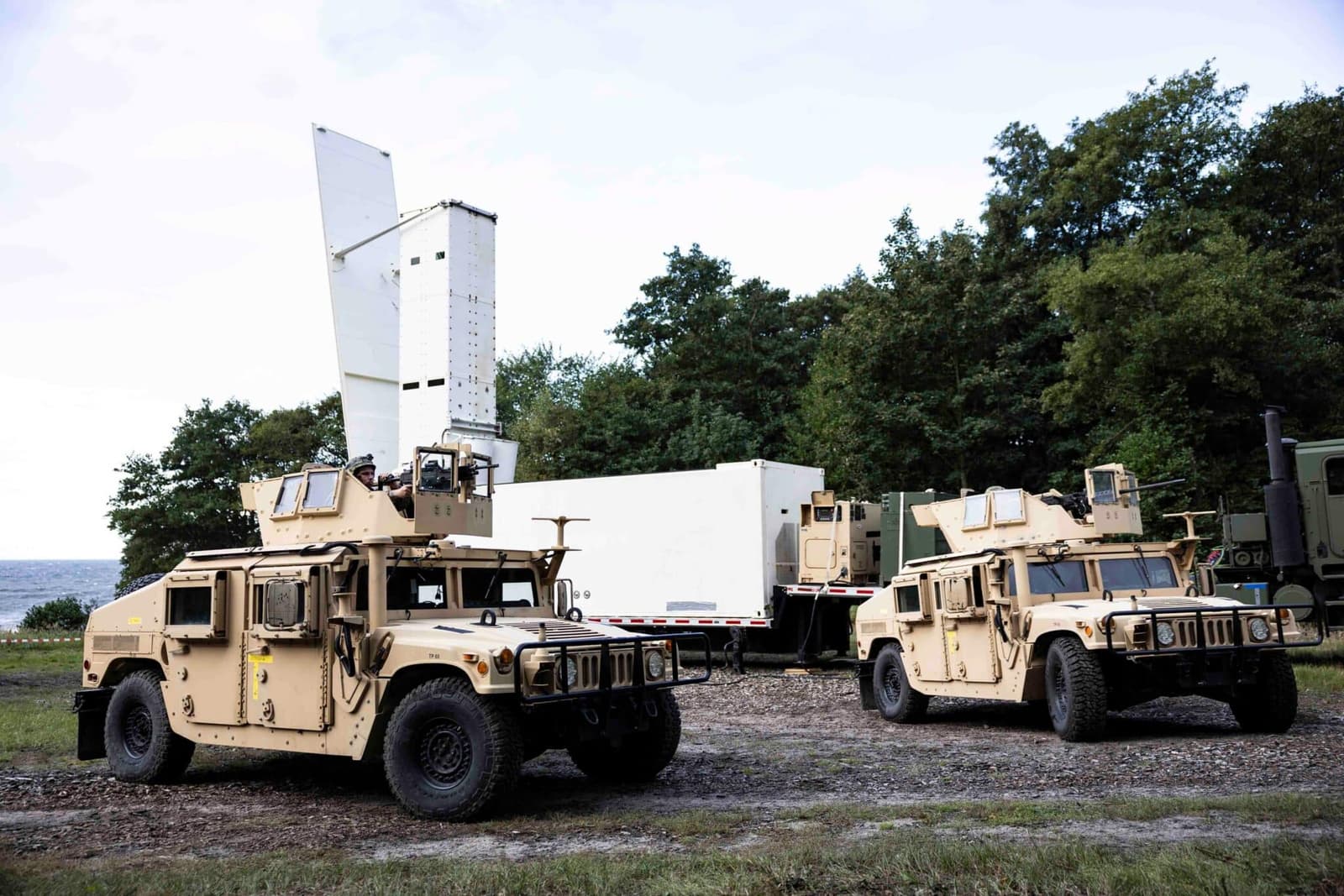
Thanks to active homing, it is capable of hitting targets beyond the radar's line of sight, performing air defense, ABM and even destroying surface ships.
2. S-400 "Triumph" (Russia)
Universal system with a target engagement range of up to 380 km (with the 40N6E missile).
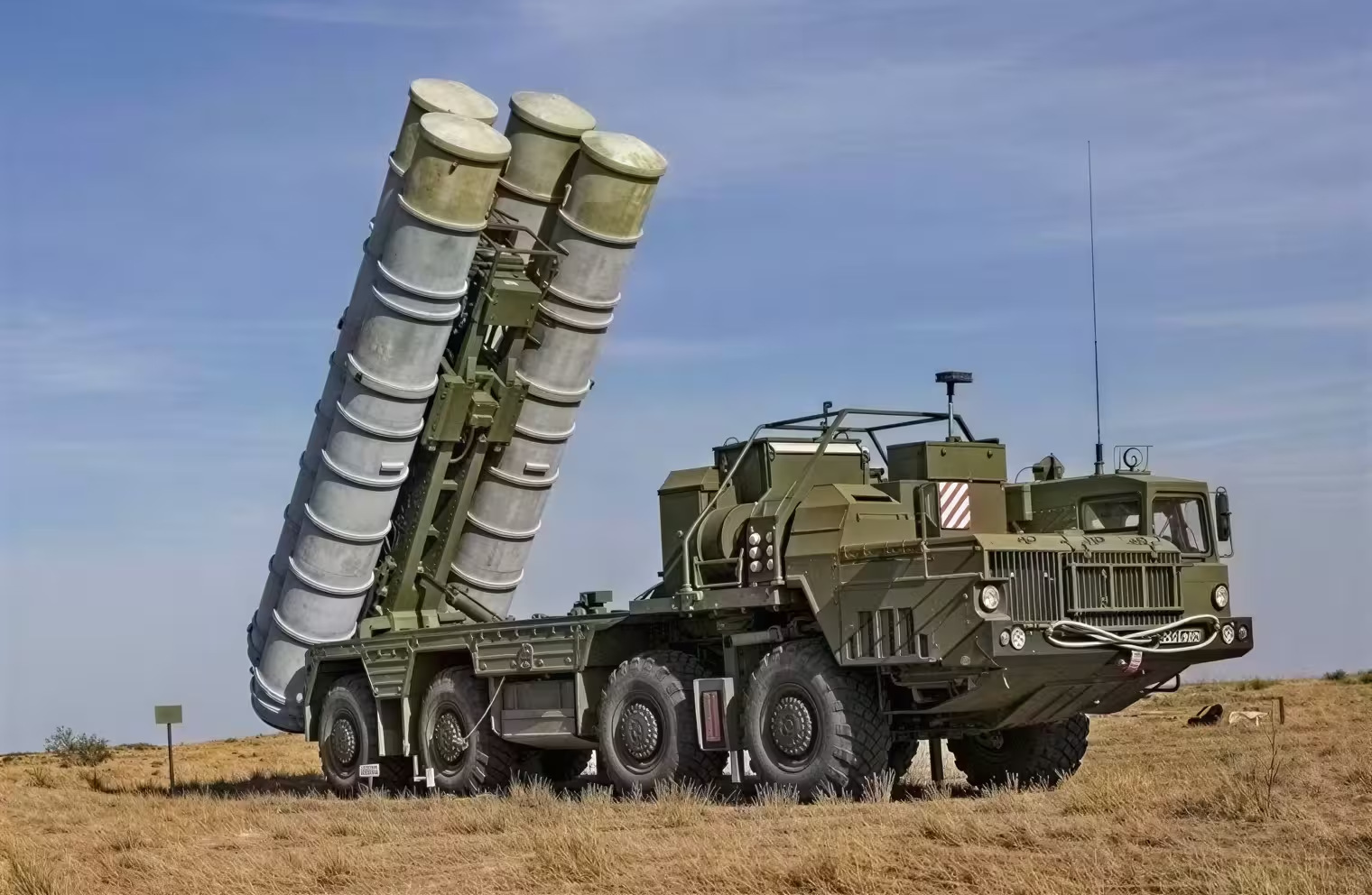
The complex is capable of operating on a wide range of targets — from low-flying cruise missiles to long-range radar detection aircraft. It was the ultra-long-range missiles that provided the system with world leadership in its class.
1. S-500 "Prometheus" (Russia)
The longest-range air defender with a target engagement radius of up to 600 km.
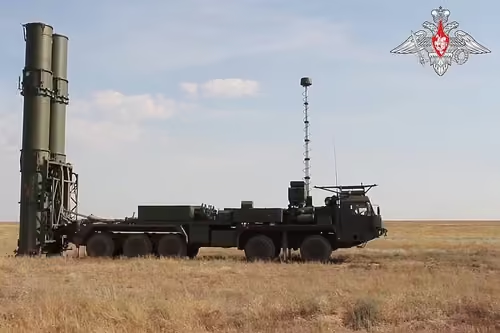
The complex is focused on combating ballistic targets, hypersonic units and objects in near space, actually forming a new echelon of strategic anti-missile defense.
Comparison of air defense systems by maximum range always remains conditional, because real capabilities depend on the type of target, its flight altitude and the jamming environment. For example, India claimed that the "Triumph" intercepted a target at a range of 500 km.
Modern complexes are increasingly developing not only towards increasing the radius, but also towards versatility — the ability to equally effectively intercept both a drone and a hypersonic missile.
Read more on the topic:
Never miss our newsAdd this site to your preferred sources to see us more oftenAdd on Google

















