The Russian government is concerned about road safety and has decided to update the rules for recognizing road sections as accident-prone, which have been in effect since 2016. The bill is being developed jointly by the Ministry of Transport and the Ministry of Internal Affairs as part of a program to improve safety.
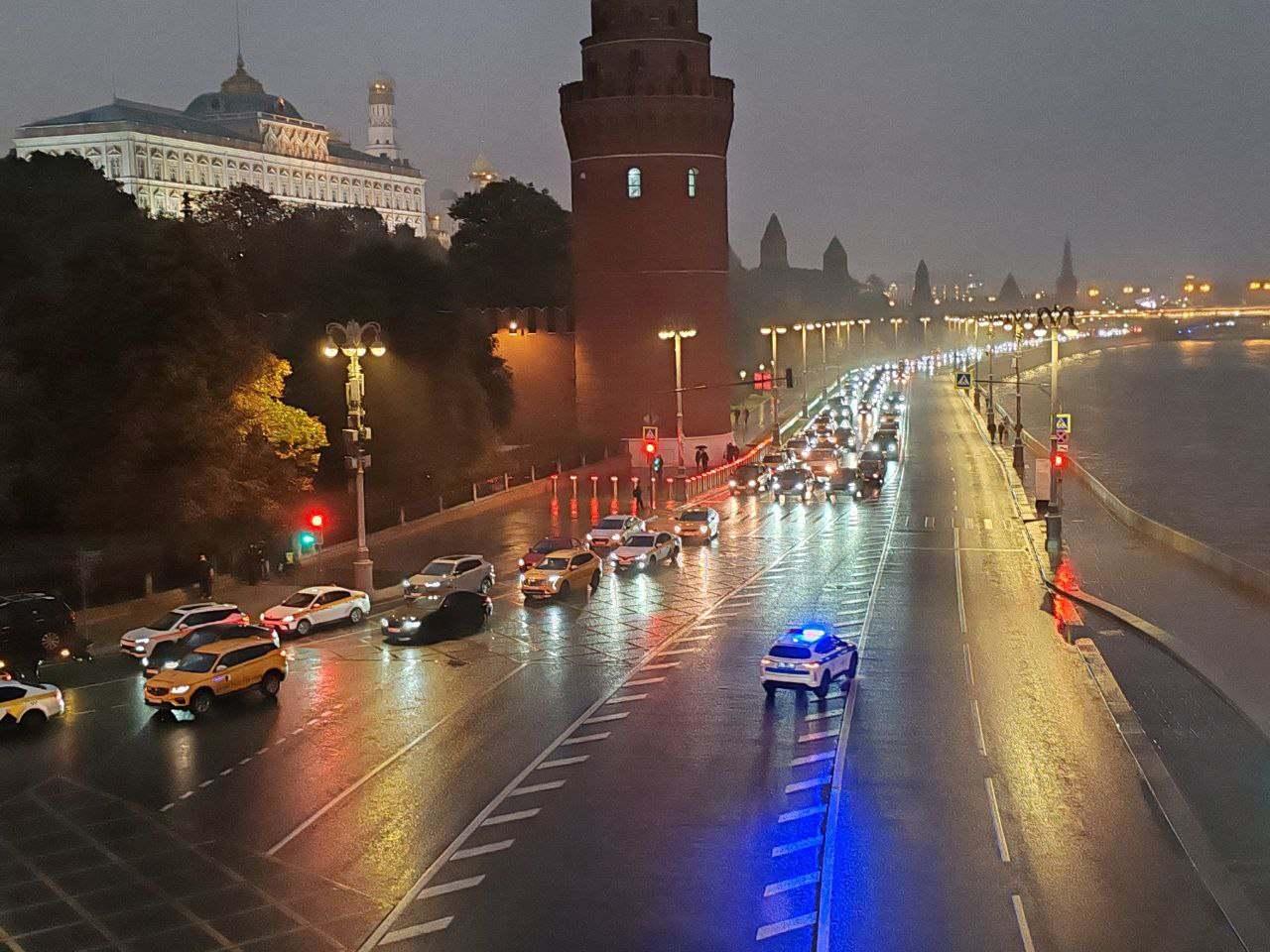
Changes to the rules for recognizing dangerous sections
Government authorities plan to make adjustments to the rules for determining accident-prone areas, as well as provide recommendations for eliminating such dangerous places. It is predicted that changes to the legislation will improve road safety.
Andrey Mukhortikov, Head of the Transport Flow Optimization Department of the State Institution TsODD of Moscow, notes that the current accident analysis system has serious shortcomings. The results of the accident analysis are published only by February of the following year, and real legal measures begin to be taken even later. This leads to the fact that between the registration of the first incident and the implementation of specific measures to eliminate the accident-prone area, it can take up to a year and a half.
This is a very long time: analyzing, adopting and implementing measures must be done promptly, in hot pursuit. Then many accidents with victims can be prevented, that is, many lives can be saved and injuries avoided.
Mukhortikov also emphasizes the need for an expanded analysis of accident-prone areas, going beyond formal criteria, to take into account situations when several fatal accidents occur at one intersection.
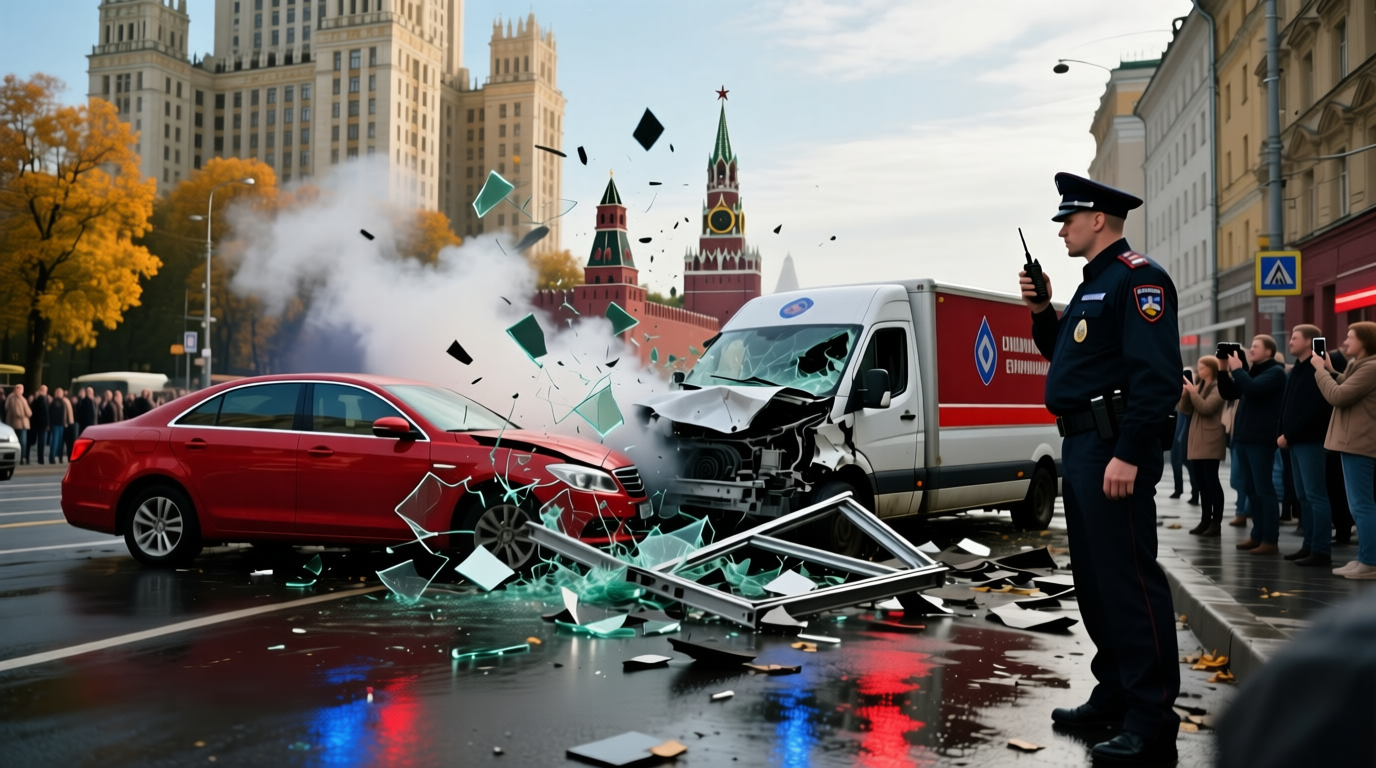
What is an "accident-prone area"?
Since 2016, the law defines the term "accident-prone area" as a section that should not exceed 1 kilometer outside settlements and 200 meters in the city, where three or more accidents of the same type or five different accidents must occur per year, excluding cases without casualties.
When a section is recognized as accident-prone, additional financial resources are allocated for its improvement. The traffic police analyze each incident, establishing the causes and proposing solutions. Additional cameras are also installed in such areas.
Road camera expert Grigory Shukhman believes that before introducing fines in accident-prone areas, it is necessary to investigate the causes of traffic violations. In his opinion, fences should also be installed in such areas and everything necessary should be done to improve visibility. Shukhman emphasizes that the fight against accidents should not be reduced to collecting fines, since most drivers do not plan to get into an accident.
If it is clear in advance that the place is accident-prone, then it is necessary to eliminate the causes, among which traffic violations are far from the main ones, and not leave it as it is, only collecting fines.
How accident-prone areas are determined in Moscow
Since August 2019, the TsODD of Moscow has been collecting regular working groups to analyze accident situations in the city. They are attended by all responsible authorities and the traffic police, who consider both cases with victims and accidents with injuries.
The decisions made at such meetings are implemented promptly, sometimes within 1-3 months. This approach has allowed Moscow to significantly reduce the number of accidents and improve safety indicators.
This approach allowed Moscow to achieve the best social risk indicators in the country, the number of deaths in road accidents per 100 residents is 2.6. The number of accident hotspots is gradually decreasing.
Read more materials on the topic:
- How the Moscow authorities are developing neural network algorithms for analyzing and controlling incidents on roads
- The number of accidents with motorcyclists has decreased in Moscow
- Instructions on how to recover damages from the perpetrator of an accident who does not have OSAGO
Never miss our newsAdd this site to your preferred sources to see us more oftenAdd on Google