Artillery units of 152-mm towed guns 2A36 "Hyacinth-B" began to remove the wheels from the guns. This technique has become widespread among Russian military personnel in the combat zone.
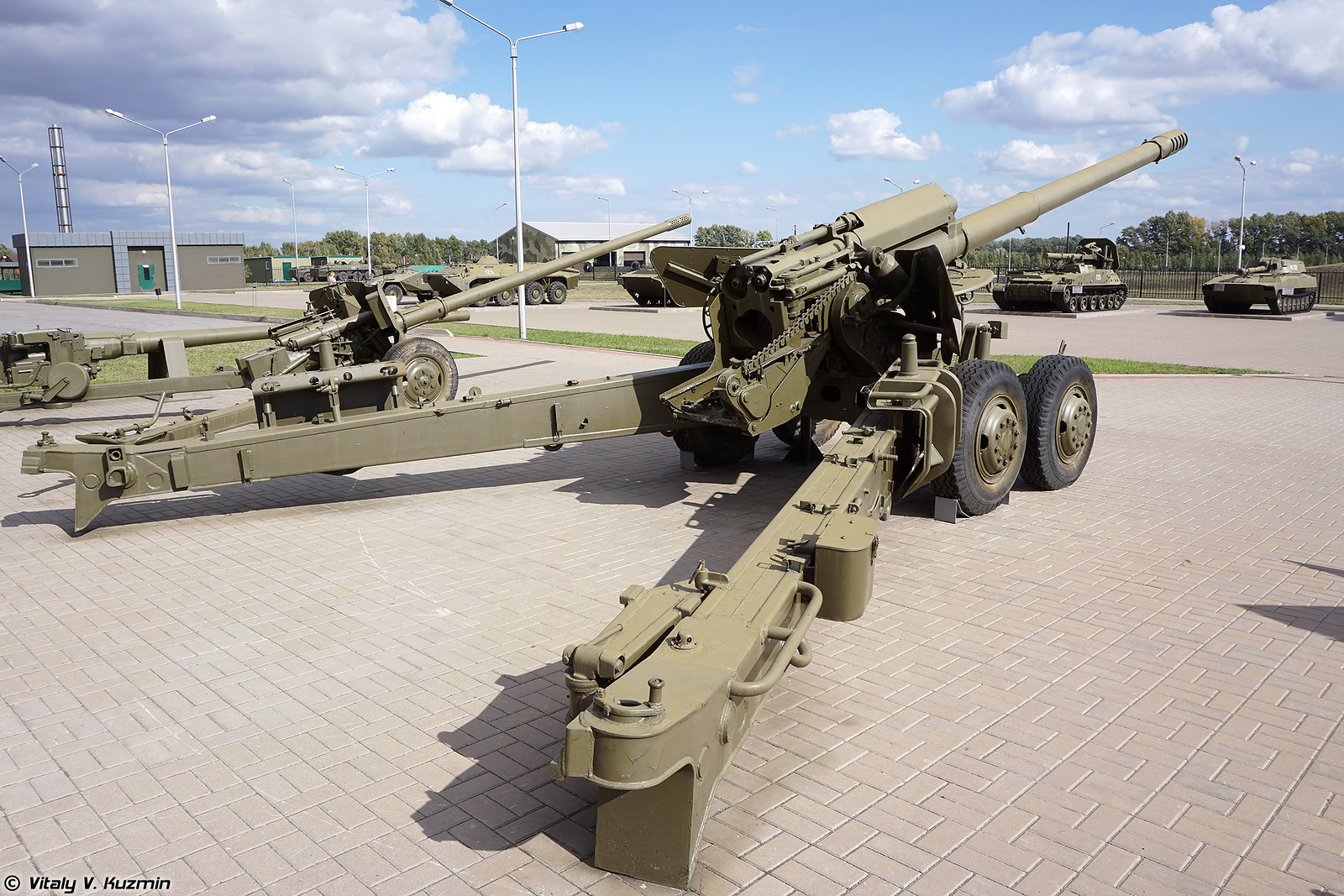
Clever trick
The military noted that the "Hyacinth-B" is almost always covered from above with an anti-drone net, camouflaged and deeply dug in. This is a real "closed" firing position in every sense of the word - conversational and artillery.
At the same time, the howitzer has its wheels removed. After installation on a prepared position, the wheels are removed from the guns and hidden in a shelter so that shrapnel does not damage the tires during shelling, which are almost impossible to repair in the field.
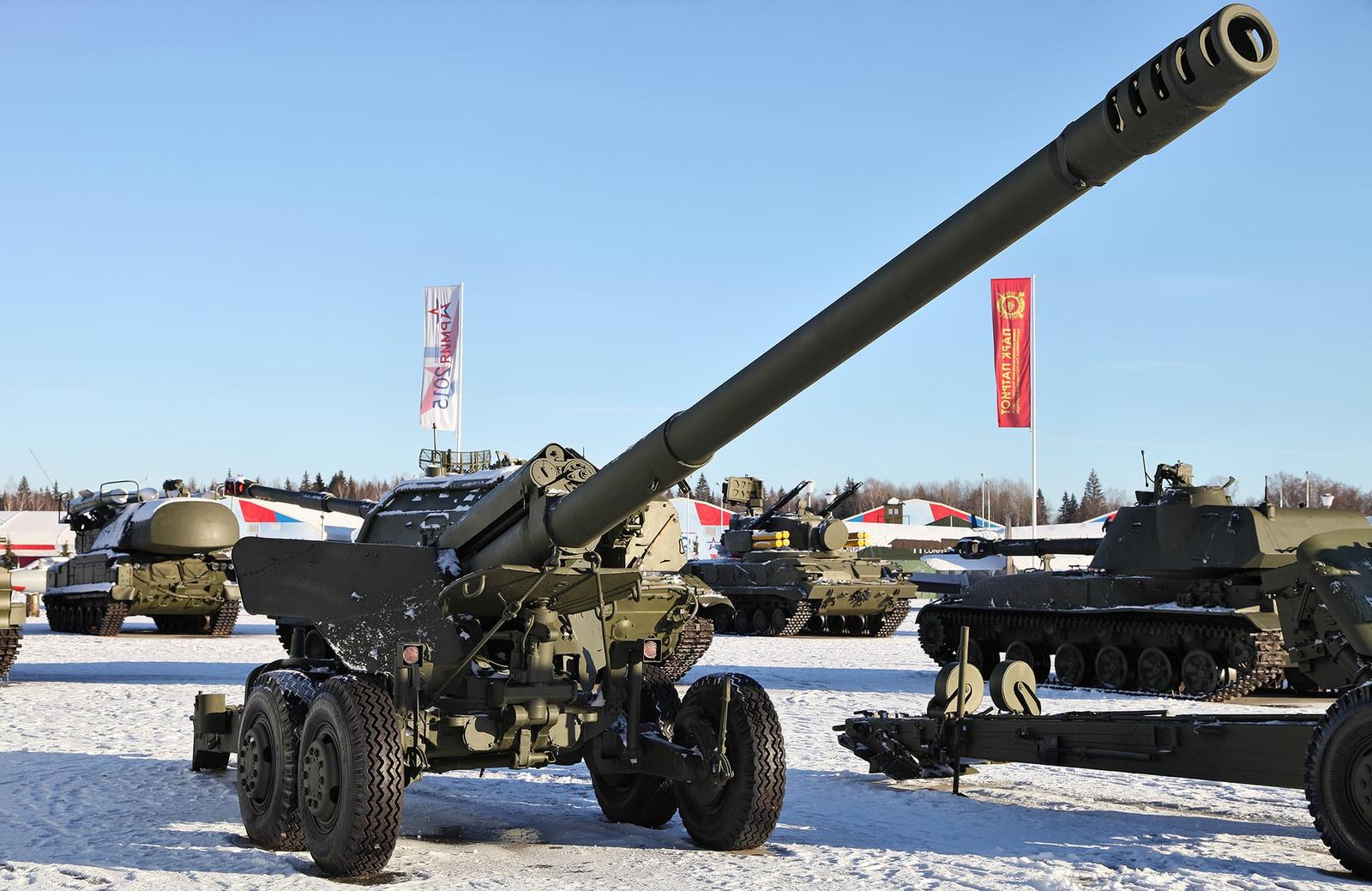
If necessary, the wheels are installed back. For calculations, this is hard work, it has to be done without the help of auxiliary mechanisms, but it has become necessary.
Half-century-old weapon remains relevant years later
The 2A36, developed in 1976, belongs to large-caliber artillery, it is designed to destroy enemy manpower, firing means, military equipment and weapons.
Key characteristics of the "Hyacinth" include a caliber of 152 mm, a projectile weight of 46 kg, a firing range of up to 27.5 km and a rate of fire of 5-6 rounds per minute.
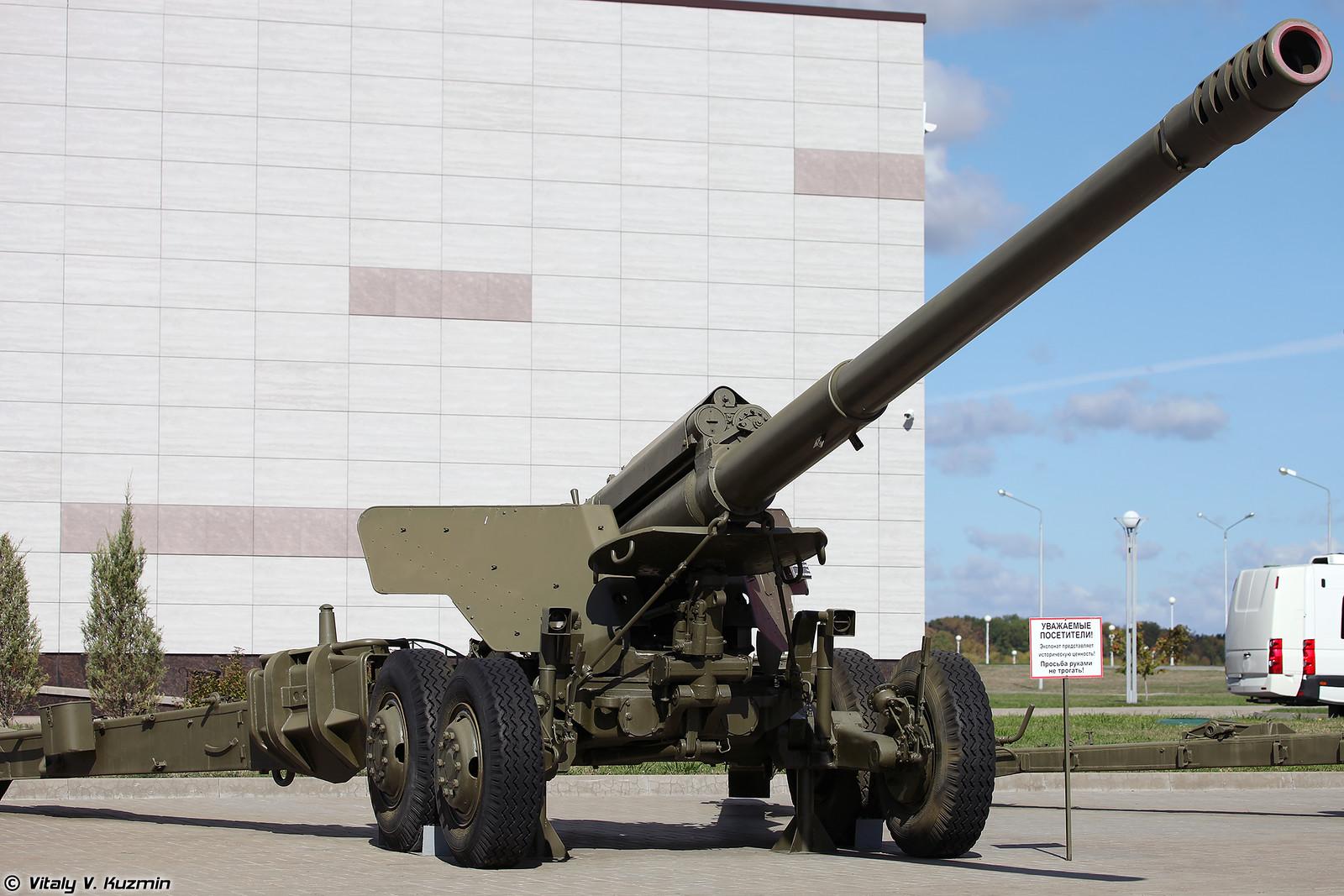
The gun has a two-axle suspension and is adapted to work in a wide temperature range, from -50°C to +50°C.
Earlier www1.ru reported that Russia is building the world's largest electronic intelligence complex near Kaliningrad.
Read also:
IL-96 aircraft will become twin-engine with PD-35: a difficult but solvable task
Russian MiG-29 collided with a pole and fence of the airfield in Armenia
Never miss our newsAdd this site to your preferred sources to see us more oftenAdd on Google

















