To protect strategically important facilities and oil refineries, combat laser-beam and electromagnetic microwave systems can be installed. This idea was put forward by military expert Evgeny Damantsev.
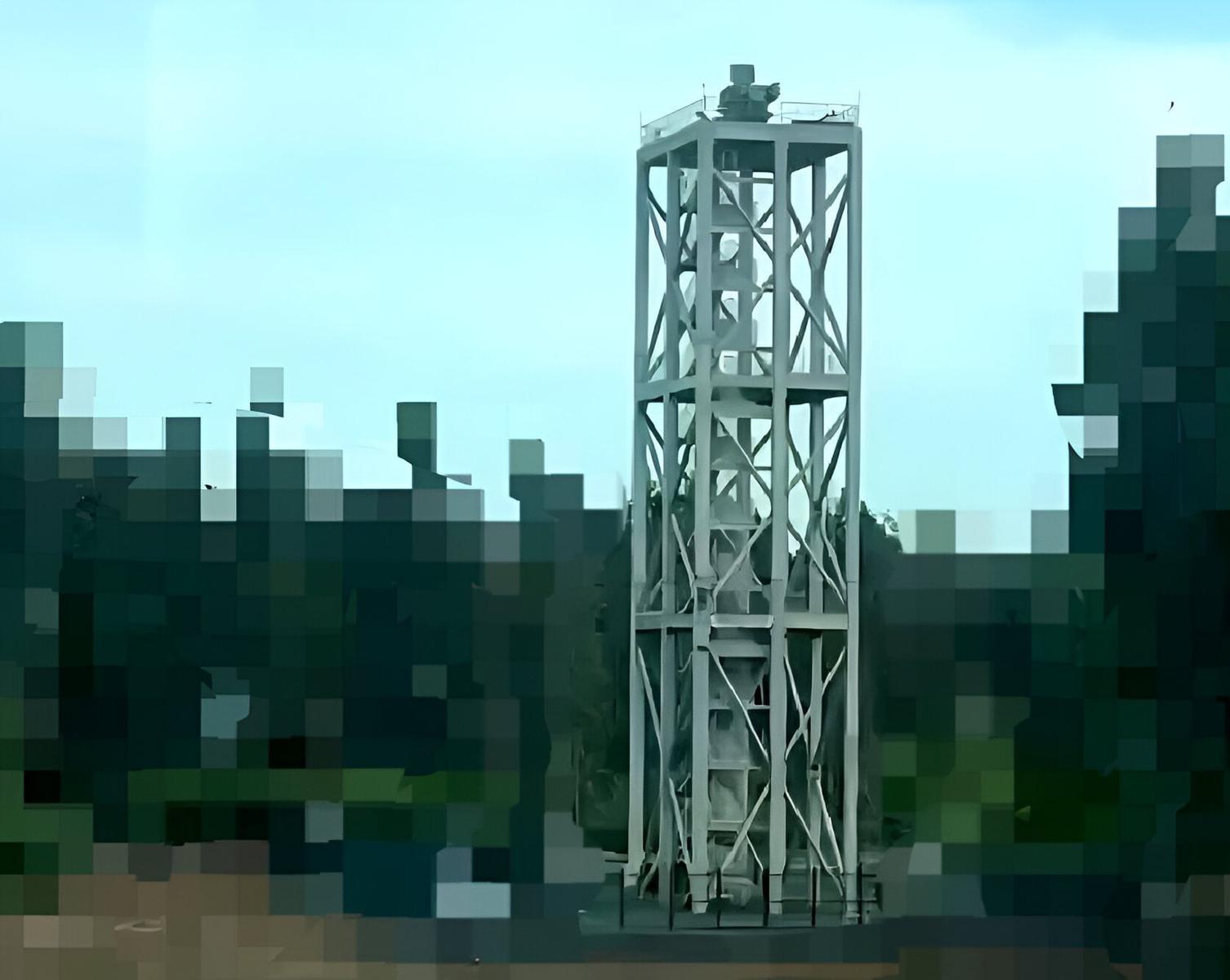
He drew attention to the urgent need to optimize the deployment of classical means of intercepting low-altitude UAVs. According to Damantsev, it is necessary to install radar illumination and guidance on low-altitude detection towers, as well as place the Tor-M2 SAM system and the Pantsir-S1 SAM system on universal farm towers.
Combat lasers
Damantsev attributed the development of combat laser-beam complexes with a power of several tens to more than 100 kilowatts to alternative methods. They are guided to the target using thermal imaging sighting systems or PFAR/AFAR radars in the millimeter range.
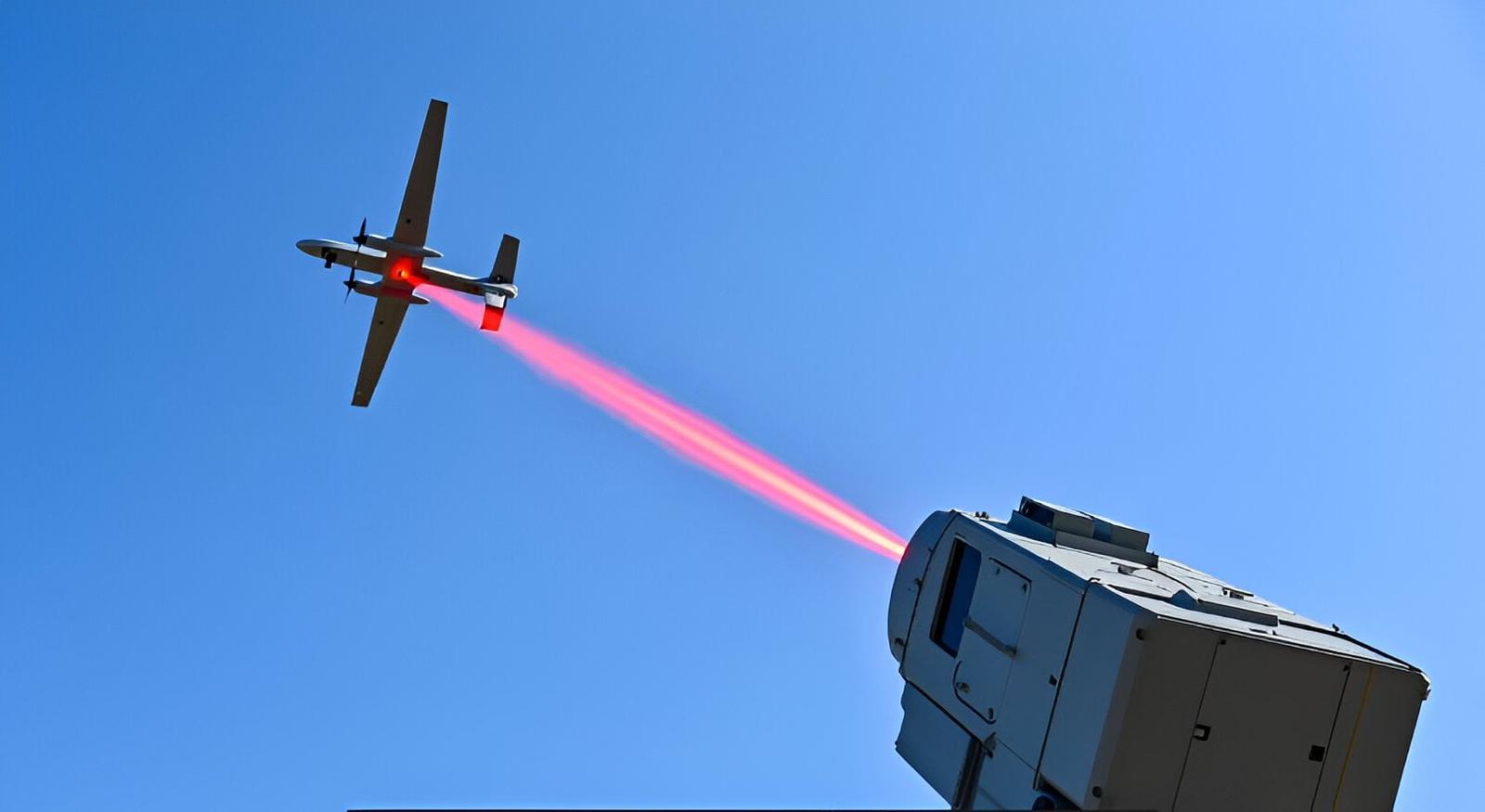
Combat electromagnetic microwave systems such as the Ranz-E are capable of burning out the electronic component base of UAVs-"kamikaze" at a distance of 7-15 km and disrupting their operation at a distance of up to 40-50 km.
The mean time between overhauls of a laser-beam installation in terms of the number of radiation cycles is orders of magnitude greater than the ammunition load of most known SAM systems, including even the S-350 SAM system, the specialist reminded.
Developments already exist
In addition, 25-35 kW lasers can easily destroy small reconnaissance UAVs and FPV drones, as well as disable and disrupt the operation of optoelectronic sighting systems. Lasers with a power of about 100-150 kW kW are already capable of very quickly damaging large UAVs-"kamikaze" such as "Lyutyi".
Nevertheless, with a high coefficient of attenuation of laser radiation in the atmosphere, combat laser-beam complexes will sharply lose their effectiveness. This means that they will have to be duplicated by electromagnetic microwave systems.
There is also a backlog in these developments - the Zadira, Peresvet and Ranz-E complexes, Damantsev recalled.
Earlier www1.ru reported that Russia is building the world's largest electronic intelligence complex near Kaliningrad.
Read also materials:
The Il-96 aircraft will become twin-engine with PD-35: a difficult but solvable task
Russian MiG-29 collided with a pole and a fence at an airfield in Armenia
Never miss our newsAdd this site to your preferred sources to see us more oftenAdd on Google

















