
Two-stage scam before the Unified State Exam: schoolchildren are sold non-existent keys to KIMs and "insurance"
Scammers collect money for "guaranteed answers" and video courses on behalf of the compilers
Scammers collect money for "guaranteed answers" and video courses on behalf of the compilers

The victim is asked to provide a code or follow a link

Suspicious content may be temporarily restricted until its authenticity is confirmed
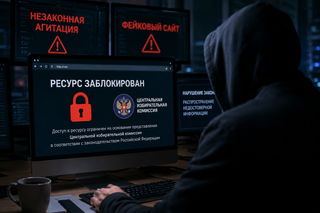
The CEC may appeal based on fake websites and campaign materials posted in violation of the law
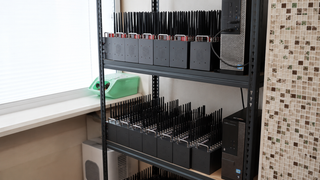
According to the investigation, the equipment was used to support telephone scams against Russians

The total indicator for this topic was significantly higher than other news events

Users are promised passive income without investments or risks
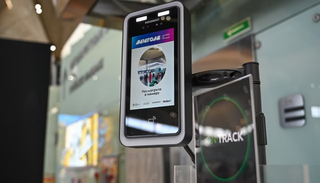
Pilot project for biometric registration to launch at Sheremetyevo and Pulkovo airports

Those wishing to receive a "reward" are asked to provide bank card details
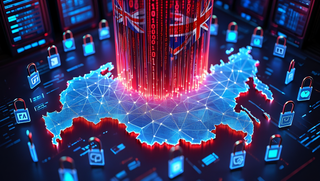
The sanctions list of 85 items includes IT structures, tech and media projects

Malicious extensions gain access to accounts and user sessions
Recipients are offered to "cancel" a purchase that never happened

89 million packets per second targeted infrastructure in the Central Federal District from US and Brazilian addresses
Attackers demand prepayment and send phishing links