The MC-21 could have faced more serious problems after the departure of foreign suppliers if it had initially been designed only for the Pratt & Whitney engine. The possibility of installing the Russian PD-14 helped continue the program, said Andrey Voropaev, test pilot at Yakovlev Design Bureau.
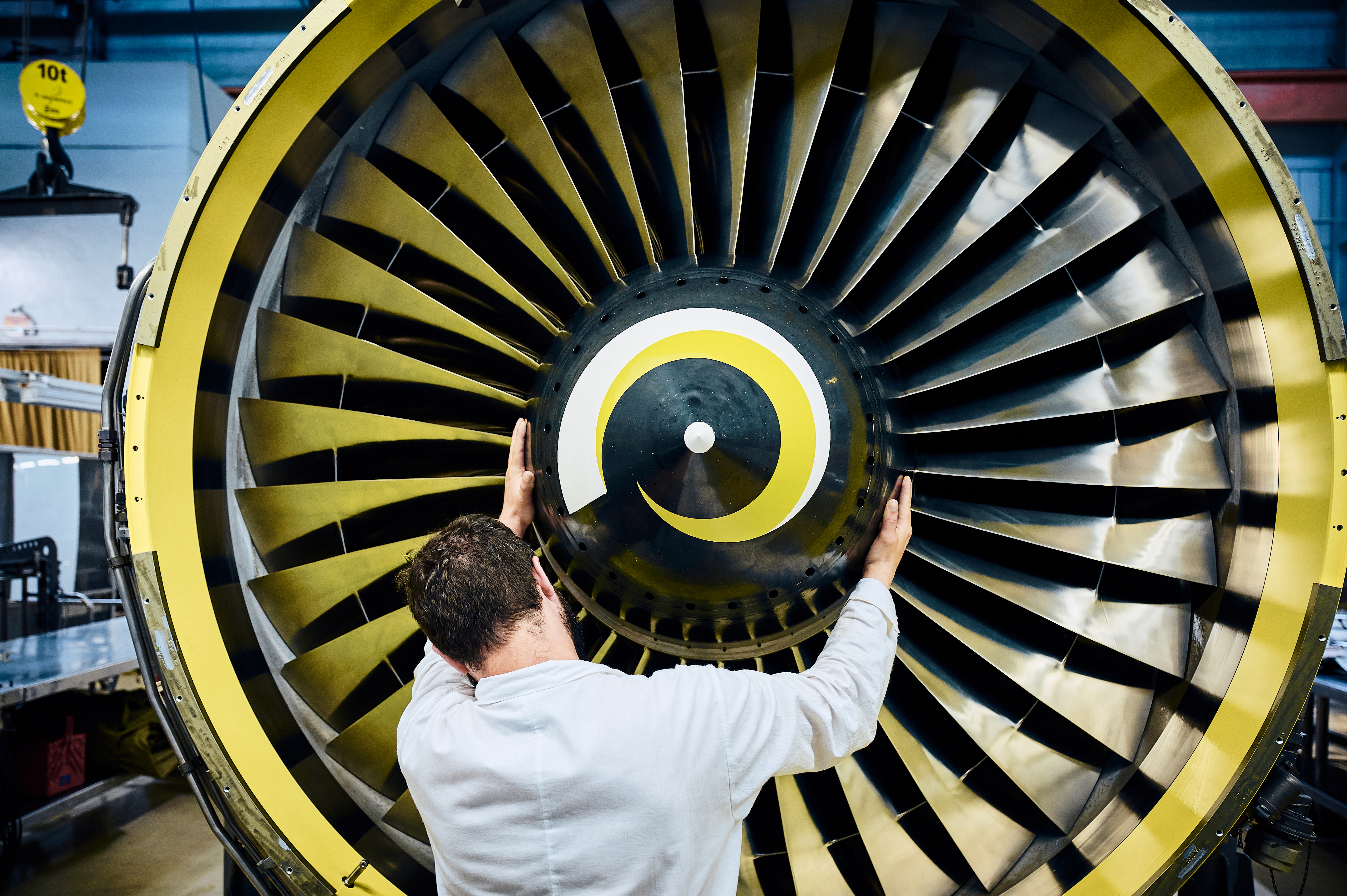
He reminded that the airliner was initially designed for two types of engines — PW1400G and PD-14. After Western companies ceased operations, such a project architecture allowed the program to continue with a domestic power plant.
If they had cut off our oxygen when we only had one P&W, we would have simply buried the aircraft. The PS-90 would not fit here; the aircraft would have lost its characteristics.
However, replacing the engine was only part of a large-scale restructuring of the MC-21. After the departure of foreign suppliers, the aviation industry had to replace composite materials, equipment, and other components.
Aviation expert Andrey Velichko explained to “Pervy Tekhnichesky” that the production rates of the MC-21 depend on the production volumes of the PD-14. To reach the planned targets of building 15-20 aircraft per year, approximately 40 engines need to be produced in parallel.