After some refineries were allowed to produce Euro-3 ecological class gasoline, many motorists began to wonder: how can one tell what fuel is being put into the tank right now? The difference lies in the sulfur content.
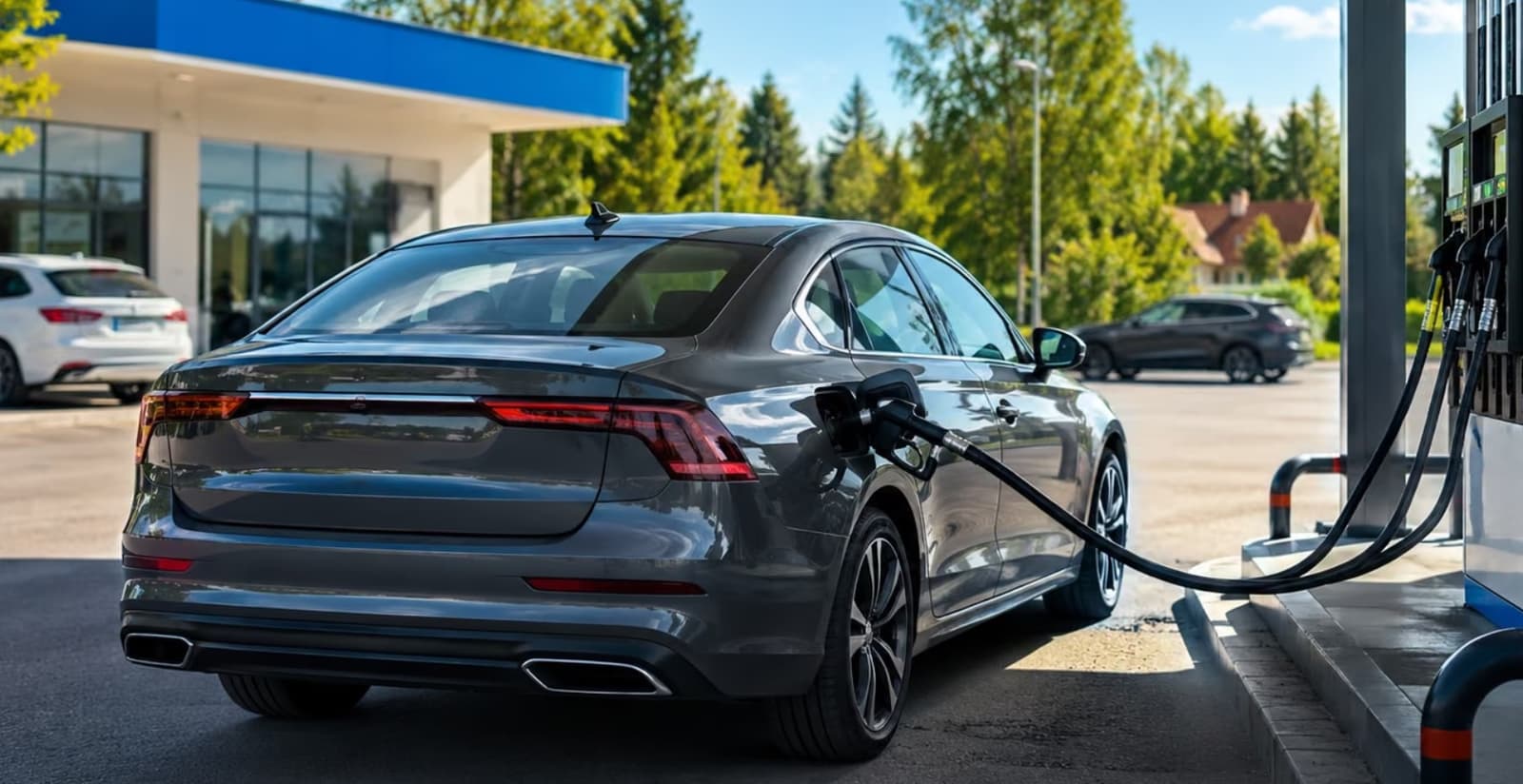
While older naturally aspirated engines often don't notice increased sulfur content, for turbocharged engines with direct injection and complex exhaust gas treatment systems, the consequences can be significantly more expensive.
The main difference between Euro-3 and Euro-5 is the sulfur content. For K5 class fuel, it should not exceed 10 mg per kilogram, whereas for Euro-3, the figure can reach 150 mg. Increased sulfur content accelerates the wear of catalysts and components of the exhaust gas treatment system.
The simplest and most reliable way to check is to ask for the fuel quality certificate at the gas station. The document must be provided upon the client's first request. The marking "K5" should be present in the "Ecological class" or "Fuel designation" field.
You can check the gasoline class even after payment. The cash receipt usually indicates a marking like "AI-95-K5" or "AI-92-K5". For diesel fuel, the designations "DT-L-K5" or "DT-Z-K5" are used. In all cases, the K5 marking denotes the "Euro-5" ecological class of fuel.
Read more on the topic:
Never miss our newsAdd this site to your preferred sources to see us more oftenAdd on Google

















