Engaging in a dialogue with a scammer via messenger is riskier than answering a phone call. As Valentina Shilina, head of the "Call Me Back" project of the Moscow Department of Information Technology, told RIA "Novosti", correspondence gives scammers additional time for analysis, allowing them to build the most convincing attack.
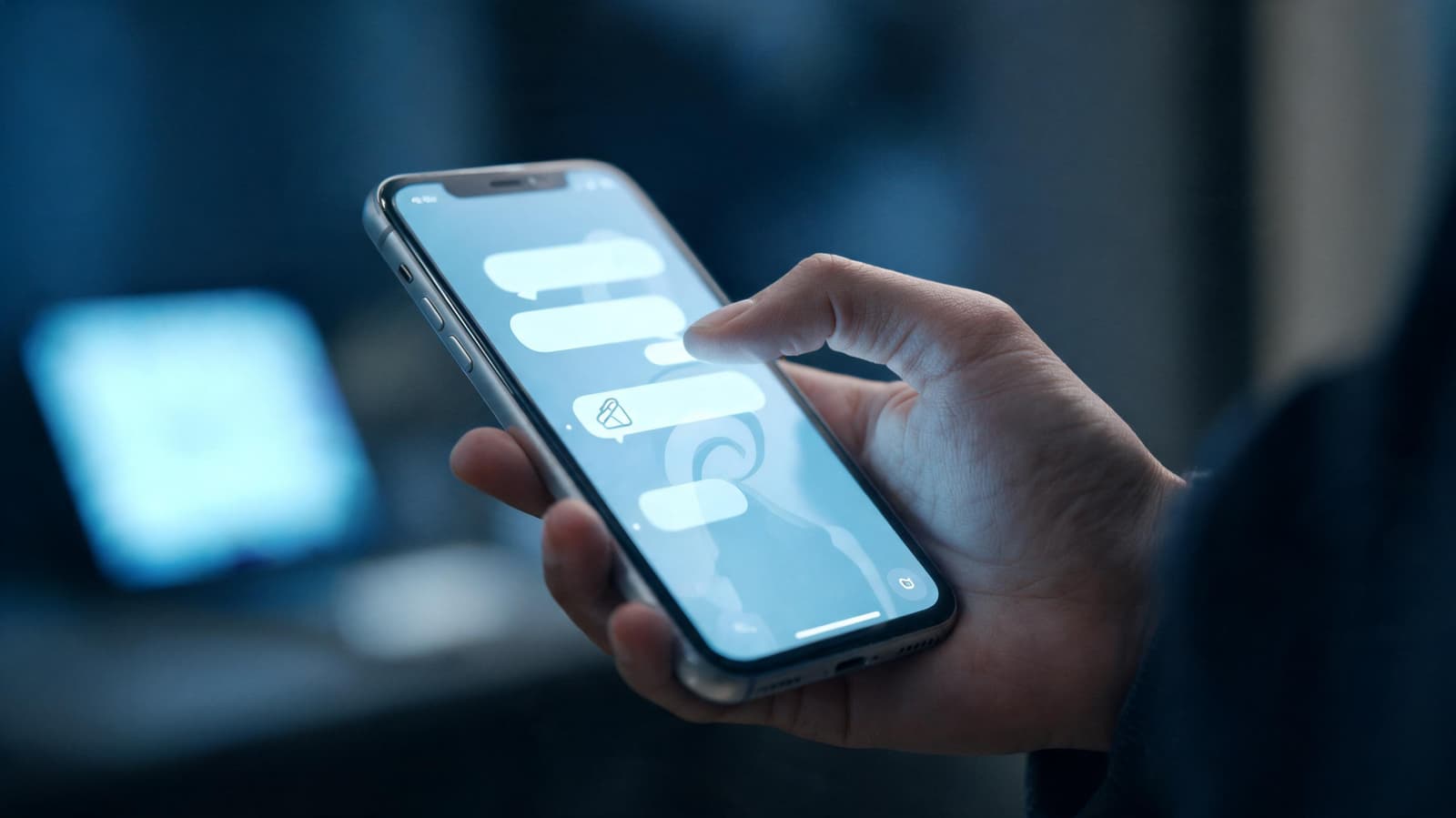
The scheme works proactively: while the interlocutor types a response, the attacker thinks through the next step, adapting the scenario to the victim's reactions. At the slightest suspicion, the dialogue must be immediately stopped.
A separate threat is files and links. A hacked account of an acquaintance may send a request to urgently view a photo or video, which will turn out to be malicious software. Links lead to fake websites, indistinguishable from official pages of banks and agencies – it is enough to enter data, and they go to criminals.
A phone conversation keeps the scammer in a strict time frame, while correspondence removes this restriction. Social engineering in messengers becomes the main attack channel precisely because of asynchronicity: the swindler does not need to improvise, he prepares each response. Experts note a shift in activity from calls to chats, where the victim feels a false sense of control and is more willing to share information.
Read more on the topic:
Never miss our newsAdd this site to your preferred sources to see us more oftenAdd on Google