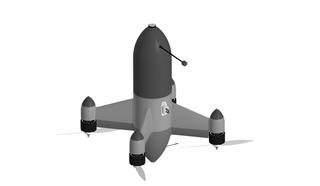
Engineers from the Moscow Aviation Institute, in collaboration with Status Consult, have developed an unmanned cargo platform for in-factory and warehouse logistics. It independently navigates space, builds routes, and makes decisions.
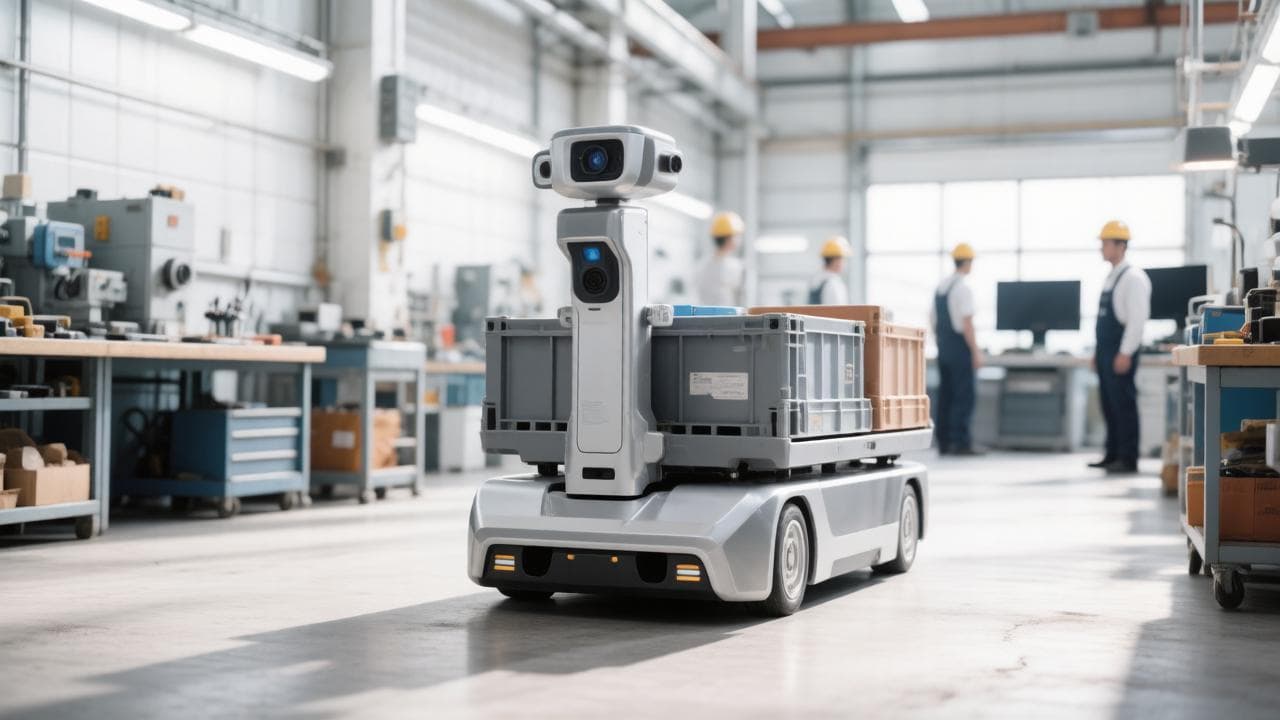
The platform requires neither a driver nor a remote operator. Upon receiving a task, the robot plots a route, monitors the environment – noticing people, forklifts, and other obstacles, bypassing them or stopping. Tests have been completed, and two patents have been obtained.
MAI notes that traditional warehouse robots move along magnetic tapes and markers embedded in the floor. This scheme is convenient in an ideally structured warehouse but hardly works in the real conditions of a large production facility where the environment is constantly changing. The key difference of the new development is comprehensive autonomy. The platform integrates into the enterprise's digital infrastructure: it exchanges data with control systems, coordinates movement with other participants, and adapts to changes in real time.
According to Vladimir Petrukhin, a leading engineer at MAI, large enterprises automate production, but internal logistics largely still rely on manual labor. The movement of materials and finished products between sections is a routine but resource-intensive process. The problem is particularly acute in airports and transport infrastructure facilities, where cargo flow is continuous around the clock.
The platform simultaneously uses several sources of navigation data: satellite navigation, inertial sensors, cameras, lidars, and ultra-wideband communication. If one source fails, the algorithm switches to others. In the future, several such platforms will be able to coordinate movement among themselves, forming intelligent logistics corridors without human intervention.
Read more on the topic:
Never miss our newsAdd this site to your preferred sources to see us more oftenAdd on Google