Artificial intelligence can already detect dangerous pathologies that a doctor might miss, but no one is yet ready to trust it with the final decision. At the SPIILF, experts from the Ministry of Health, WHO, and patient organizations discussed where algorithmic assistance ends and human responsibility begins.
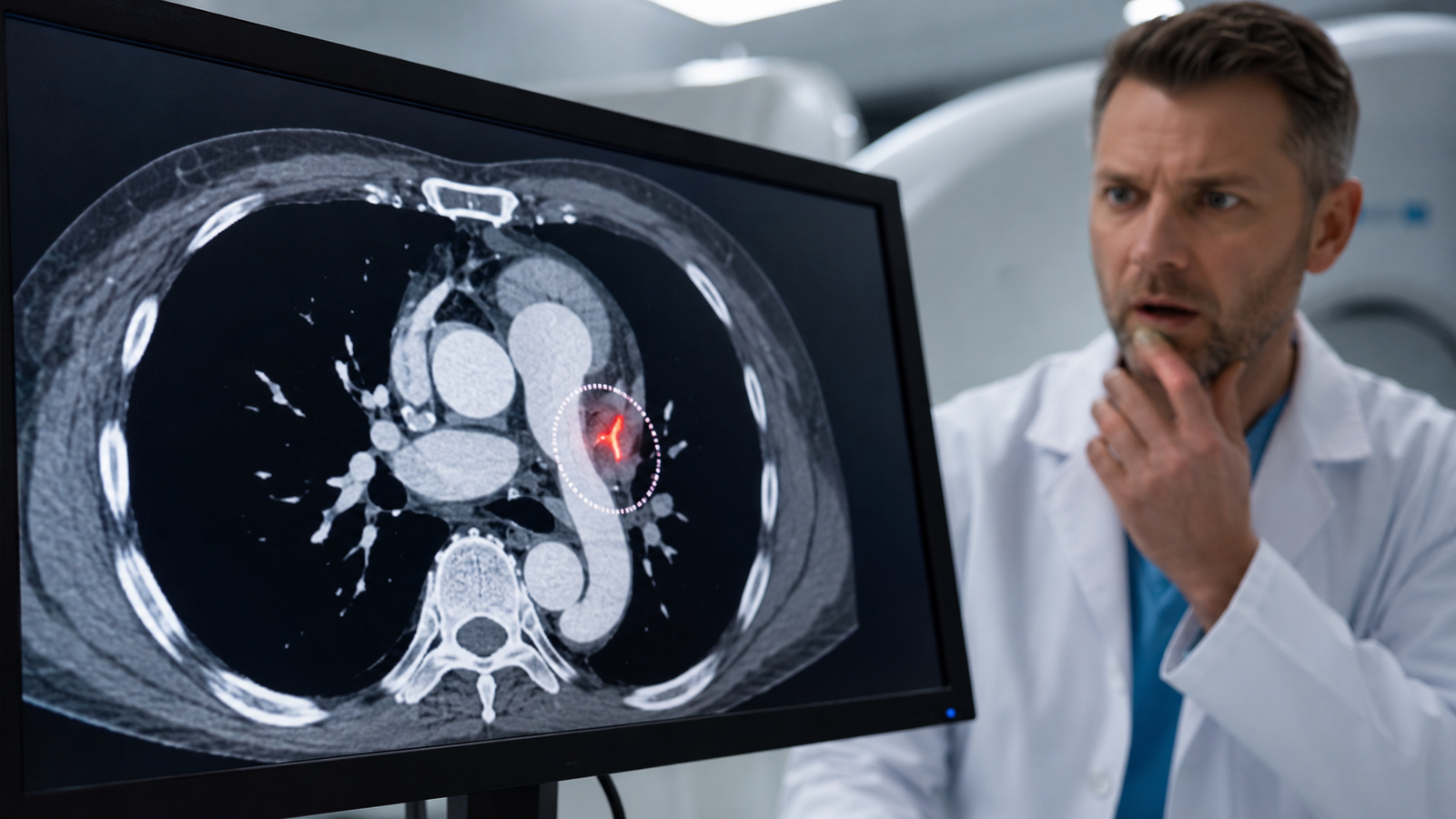
Evgeny Shlyakhto, Director General of the V. A. Almazov National Medical Research Center, spoke about a patient with an aortic dissection who was saved by a neural network: it noticed the problem on an X-ray image, although the doctor missed it. His center has already registered five AI-based medical devices, and in pilot projects, such systems save doctors up to 30% of their time.
Those who will think, reason, and be critical will survive.
The main dispute is who will be responsible for an error if the diagnosis or treatment was suggested by an algorithm. WHO notes that all countries in the European region recognize the technology's potential, but only 8% of them have standards for AI error liability. Patient organizations propose to specifically indicate in the consent form that neural networks were used in diagnosis or treatment.
Another problem is data quality. The algorithm learns from medical records, which means it can repeat inaccuracies that a doctor entered into the patient's history during a short appointment. Moscow State University proposed creating "sovereign and trusted" medical AI based on Russian data to reduce dependence on foreign libraries.
For now, the neural network remains a tool, not a replacement for a doctor. But the more often it participates in making diagnoses, the more acute the question will become: is it a smart assistant or a decision-maker who should also bear responsibility?
Read more on the topic:
Never miss our newsAdd this site to your preferred sources to see us more oftenAdd on Google