Translated with AI from the Russian original.
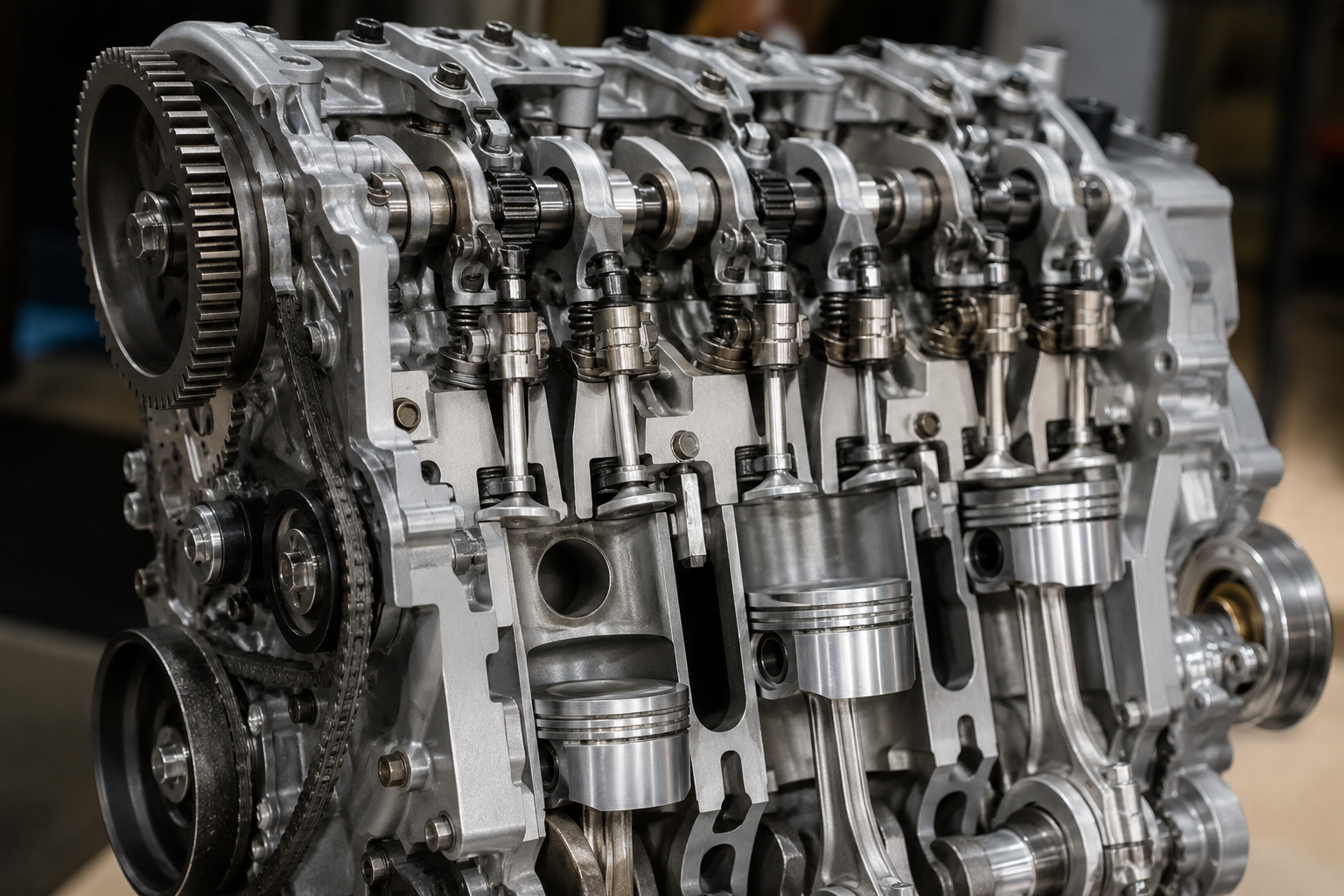
Engineers from St. Petersburg have developed an innovative internal combustion engine with a unique cylinder deactivation system. The invention includes an alternative method of gas distribution, which eliminates the need for a complex system of axial movement of camshaft lobes, significantly simplifying the design.
The development is based on a new principle of valve control for deactivated cylinders. Instead of the traditional displacement of the cam block, engineers used a rotating cup with a pushrod installed inside. There are two profiles on the side surface of the pushrod – working and zero. When the cup is rotated by a given angle, the mechanism switches the valve drive from normal mode to cylinder deactivation mode.
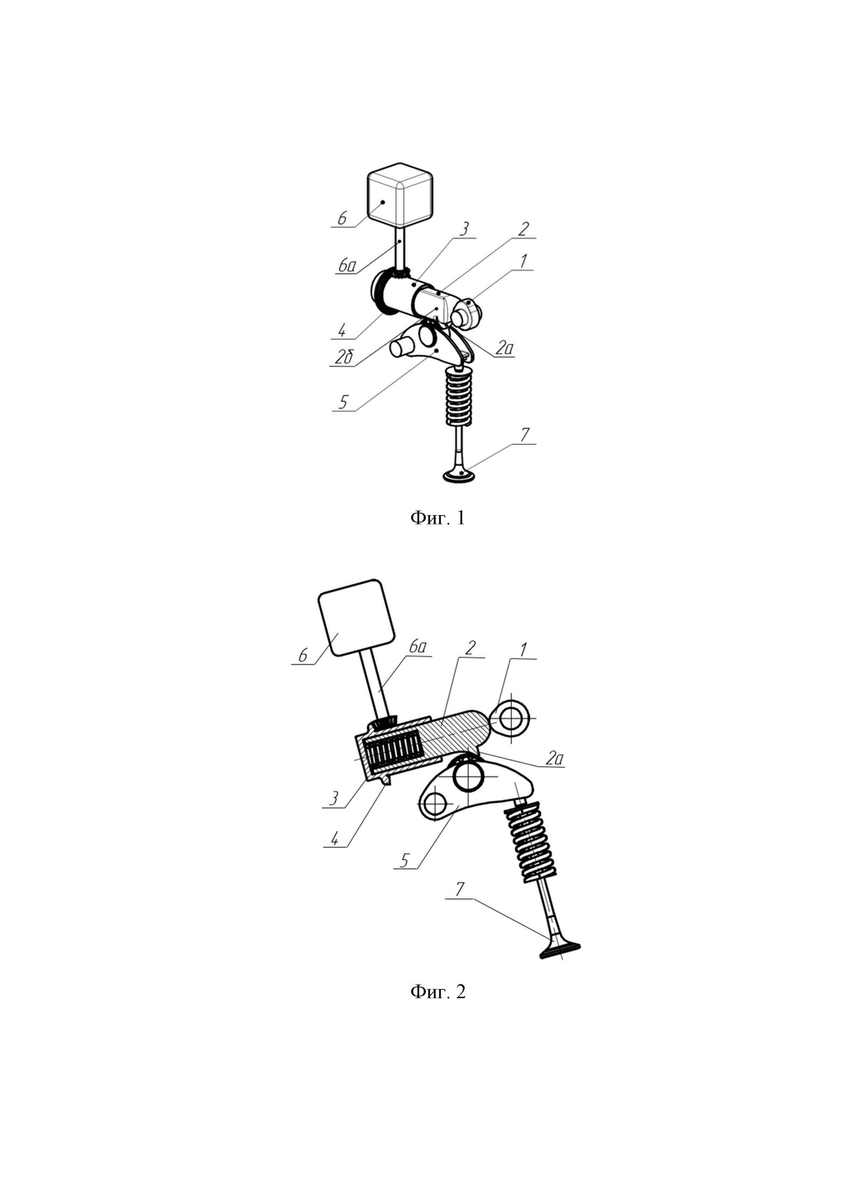
During normal operation, the working profile acts on the rocker arm and opens the valve in accordance with the gas distribution phases. When the system deactivates the cylinder, the actuator rotates the cup, after which the zero profile begins to interact with the rocker arm. As a result, the valve remains closed, gas exchange stops, and fuel supply to this cylinder can be stopped.
Compared to existing solutions, the new scheme eliminates the need to move cam blocks along the camshaft and use complex locking mechanisms. This simplifies the design of the gas distribution mechanism, reduces the requirements for manufacturing precision of parts, and expands the possibilities for using cylinder deactivation systems.
Read more on the topic:
Never miss our newsAdd this site to your preferred sources to see us more oftenAdd on Google

















