Russian specialists have developed a bionic hand that not only replaces a lost limb but also transmits sensations from objects to the person. With such a prosthesis, one can feel whether an object is hard or soft, flexible or elastic. In the future, developers want to add temperature sensors so that the user can distinguish hot and cold.
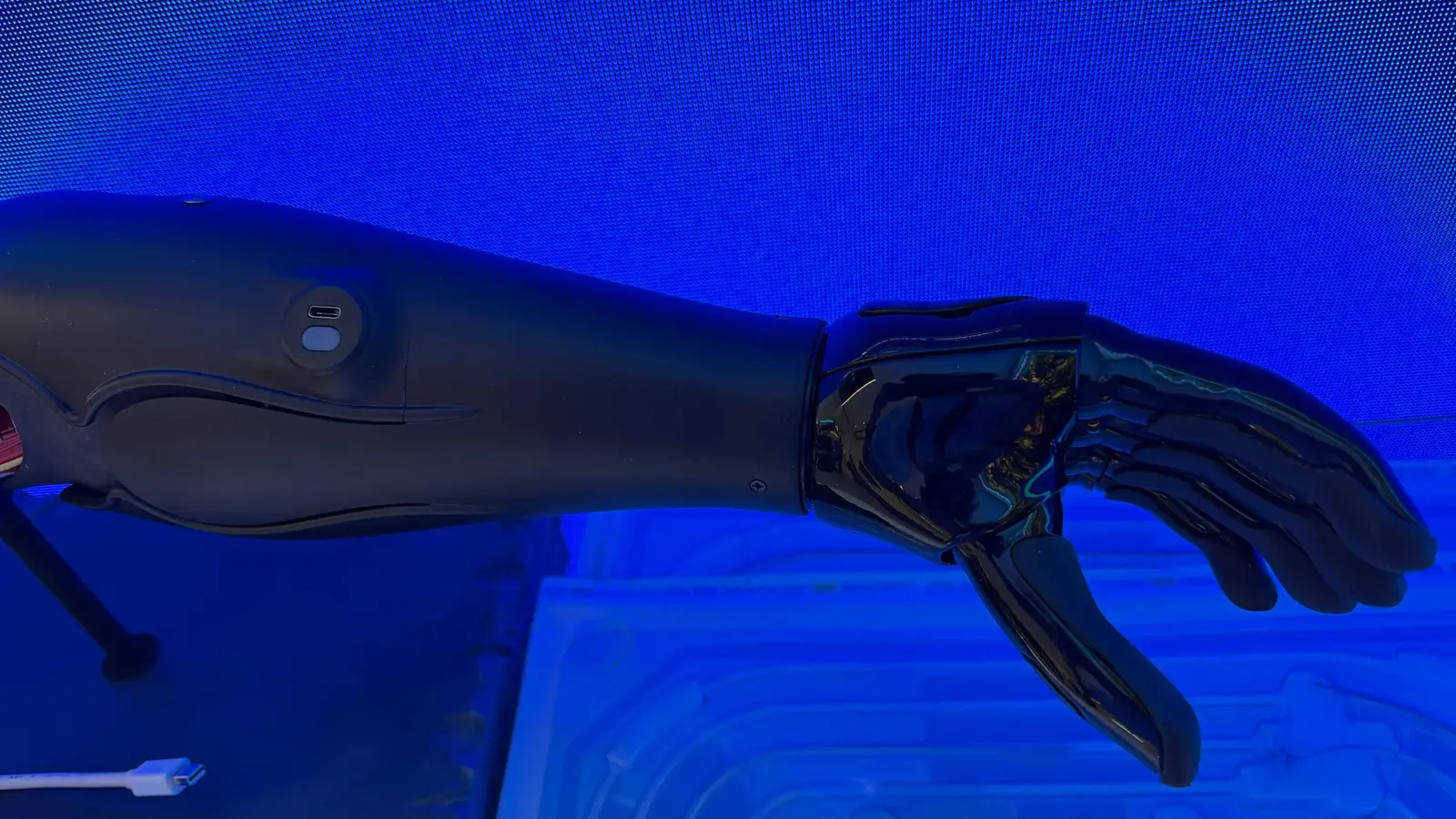
The development was presented at the St. Petersburg International Economic Forum 2026 exhibition. Artur Biktimirov, Director of the Center for Cybernetic Medicine and Neuroprosthetics of the Federal Center for Brain and Neurotechnologies of the FMBA of Russia, spoke about its operating principle.
The main difference between this artificial hand and a conventional prosthesis is feedback. Pressure sensors are built into the device. When a person touches an object, they convert mechanical pressure into an electrical signal.
The signal then goes to electrodes implanted in the hand or forearm. Through neuromuscular junctions and the nervous system, information is transmitted directly to the brain. Thanks to this, the person receives a sensation of the properties of the object touched by the prosthesis.
Currently, the system already allows distinguishing hardness, softness, flexibility, and elasticity. The next stage is to integrate temperature sensors so that the bionic hand can transmit the sensation of hot and cold.
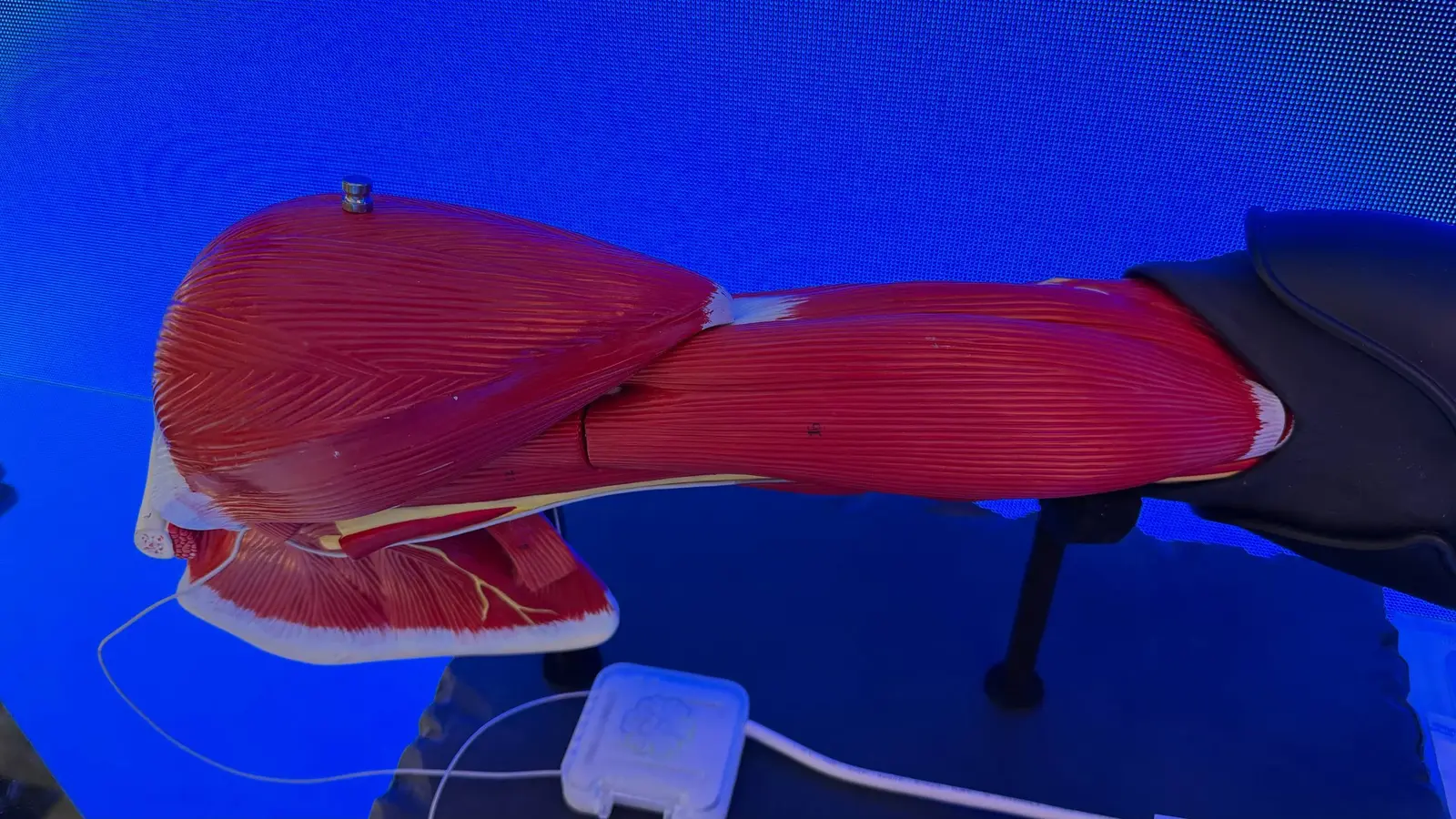
The development is not yet registered. According to Biktimirov, the SPIEF platform is intended to be used, among other things, to discuss the accelerated implementation of inventions in medical cybernetics and bionics.
Currently, obtaining a registration certificate for such products takes about two years. First, qualification tests must be conducted, then technical and toxicological checks, and after that, clinical trials with human participation.
Read more on the topic:
Never miss our newsAdd this site to your preferred sources to see us more oftenAdd on Google

















