Translated with AI from the Russian original.
Artificial intelligence may be used in Russian legal proceedings in the future. However, this does not mean that a neural network will deliver verdicts or decide people's fates on its own. AI will only be able to assist a judge or lawyer, and the final decision must in any case be made by a human. This was stated by Elena Avakyan, advisor to the Federal Chamber of Lawyers of the Russian Federation and head of digital transformation of the Russian legal profession.
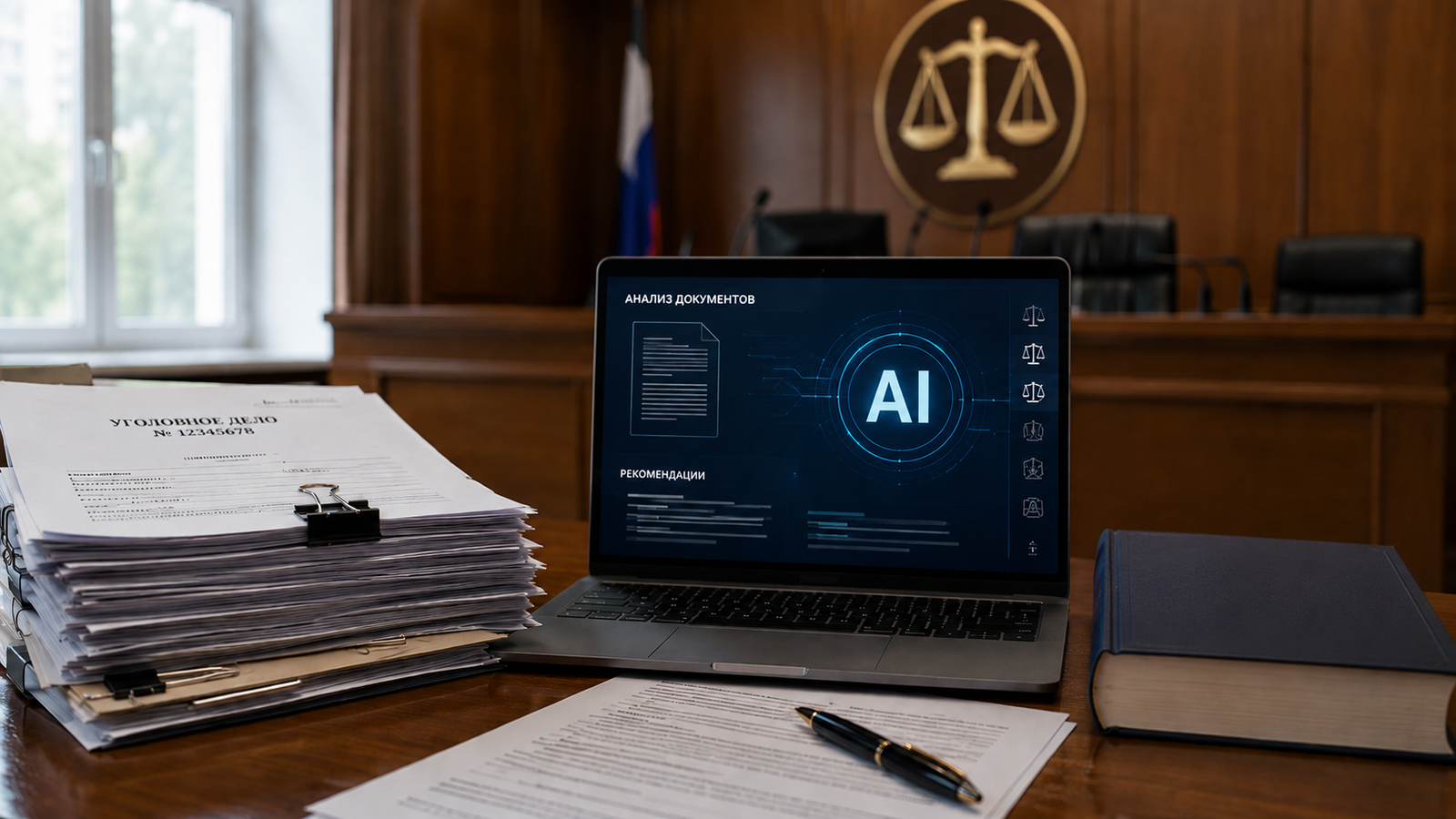
According to her, theoretically, the use of AI in courts is possible, but only with strict technical and ethical restrictions. Only closed systems and so-called narrow artificial intelligence, designed to perform specific tasks, can be used for this purpose.
The expert also considers public and professional control over how such a system is trained to be necessary. It is especially important to monitor what data and examples are chosen as benchmarks for AI training and how this database is replenished.
Avakyan emphasized that a neural network can only be an electronic assistant to a judge or lawyer. It cannot be given the right to make decisions independently.
In addition, each participant in the process must have access to the results of the generation issued at the request of the court, in order to be able to object not only to the opponent, but also to the electronic advisor.
Read more on the topic:
Never miss our newsAdd this site to your preferred sources to see us more oftenAdd on Google

















