Translated with AI from the Russian original.
Scientists from Immanuel Kant Baltic Federal University have developed a recipe for bio-inks for 3D printing artificial meat based on marine collagen. The results were published in the journal "Food Processing Technology and Technique". The raw materials used were moon jellyfish Aurelia aurita and the skin of common pike-perch (Sander lucioperca) – this solution addresses the problem of animal protein scarcity without burdening pastures.
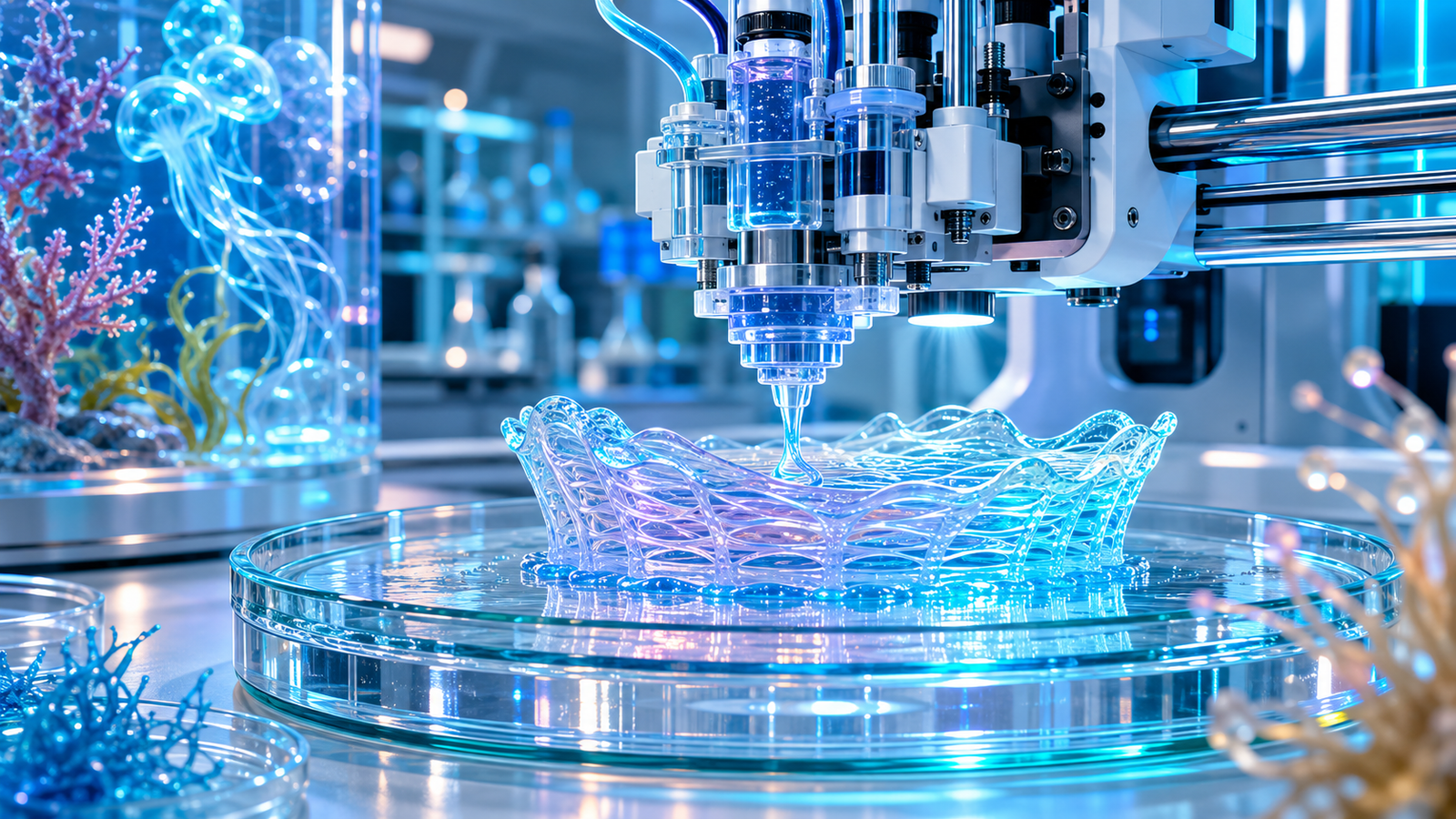
Unlike collagen from farm animals, the marine analogue eliminates the risk of transmitting foot-and-mouth disease and anthrax, and also does not violate the dietary restrictions of some religions. Tests confirmed that the protein isolated from jellyfish and fish is non-toxic and fully compatible with human cells. This allows its use not only for growing meat products but also as a material for printing artificial organs.
The technology is already ready for industrial trials. In fact, Kaliningrad researchers have proposed a dual solution: on the one hand, the production of ethical and safe meat, and on the other, a platform for regenerative medicine, where the same inks can replace donor tissues. In the future, scientists plan to create bio-inks for bone implants as well.
Read more on the topic:
Never miss our newsAdd this site to your preferred sources to see us more oftenAdd on Google

















