Translated with AI from the Russian original.
At the "Severnaya Verf" of the United Shipbuilding Corporation, the ceremony of handing over the second longliner of project MT1112XL – the vessel "Marlin" – took place. The customer was the Arkhangelsk fishing company "Globus". The Russian flag was raised on the vessel and the acceptance certificate was signed.
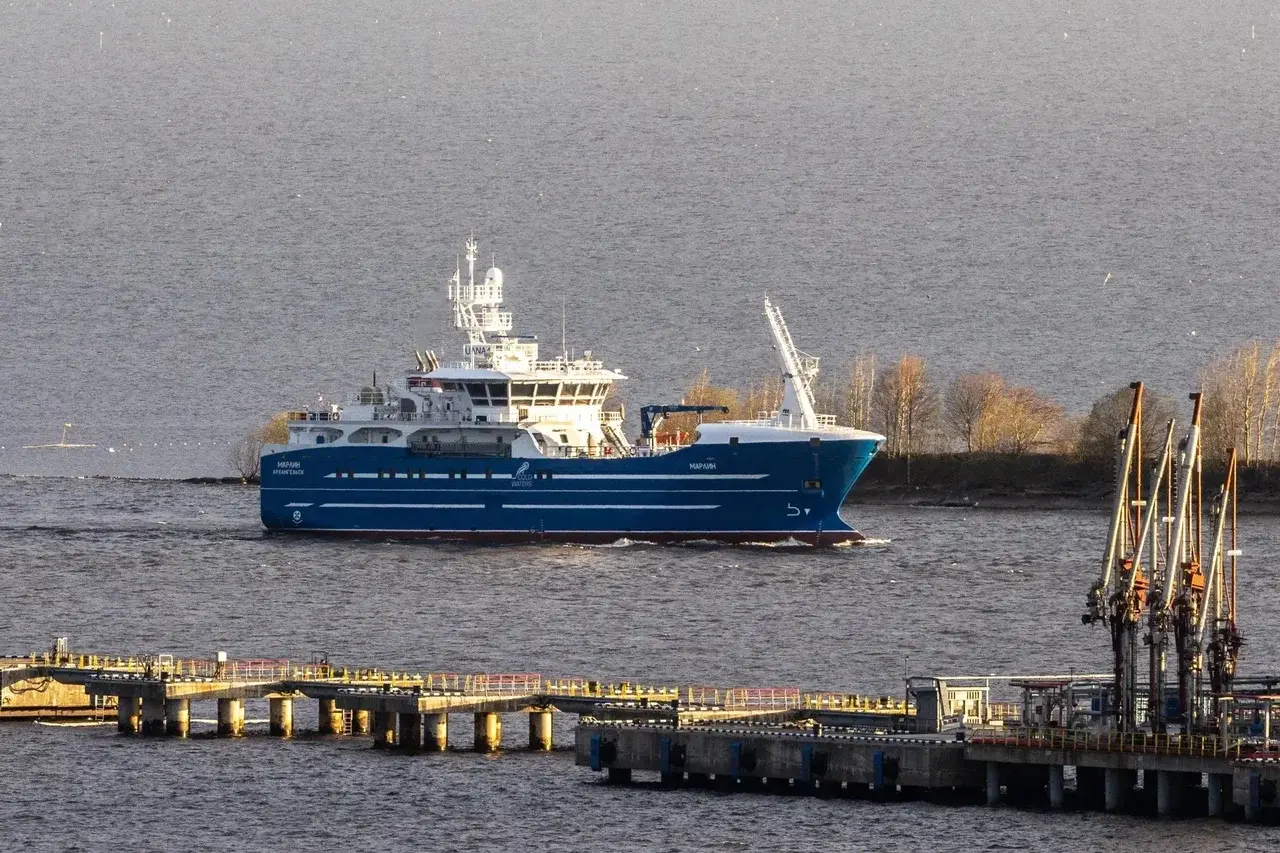
"Marlin" became the second vessel of this project that "Severnaya Verf" is building for the Northern Fisheries Basin under the "Quotas for Keel" program. The project documentation was developed by the Norwegian bureau Marin Teknikk AS. The longliner was laid down in September 2018.
The vessel is designed for catching cod and haddock in the Barents and Norwegian Seas, as well as in the northern regions of the Atlantic Ocean. Automated longline setting and hauling lines were installed on the longliner. It is equipped with facilities for deep and waste-free processing of the catch. The design capacity is up to 30 tons of finished products per day. The fishing equipment includes 70 thousand hooks.
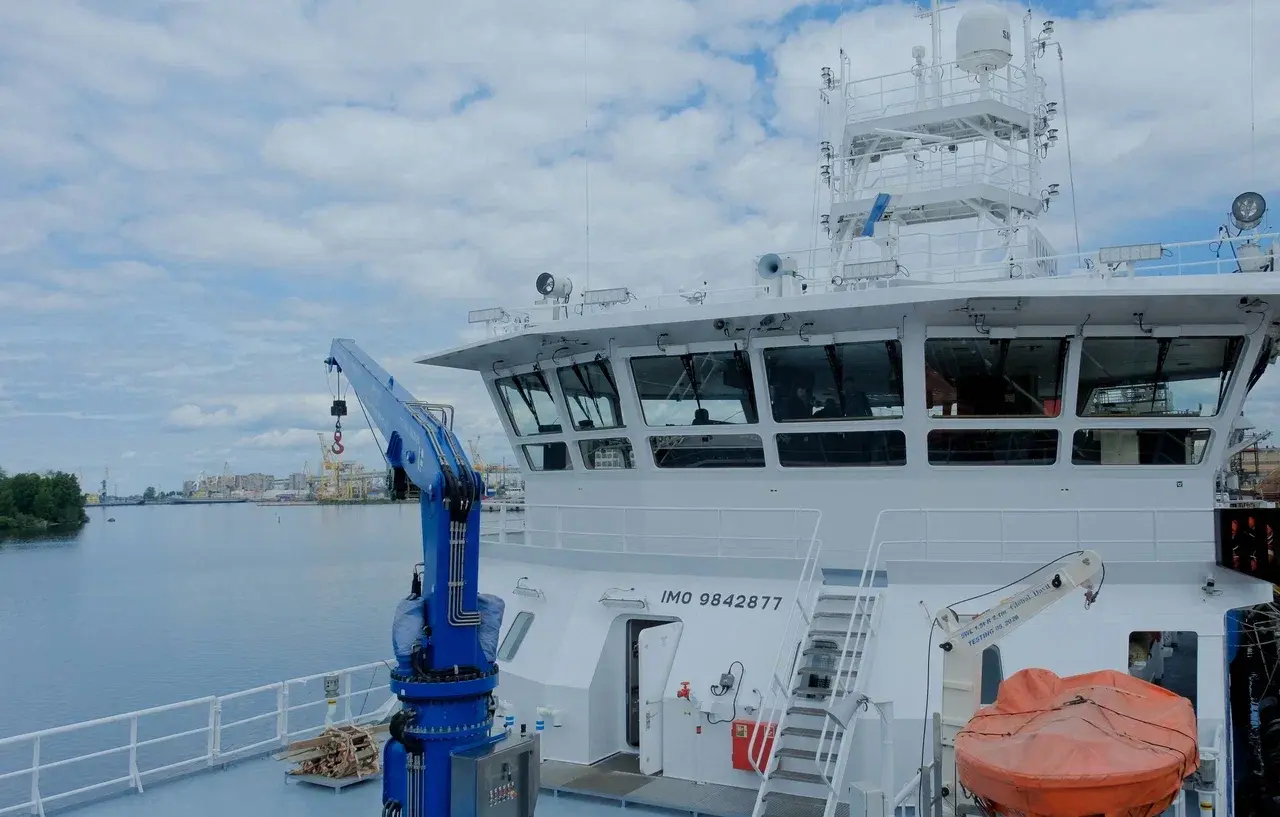
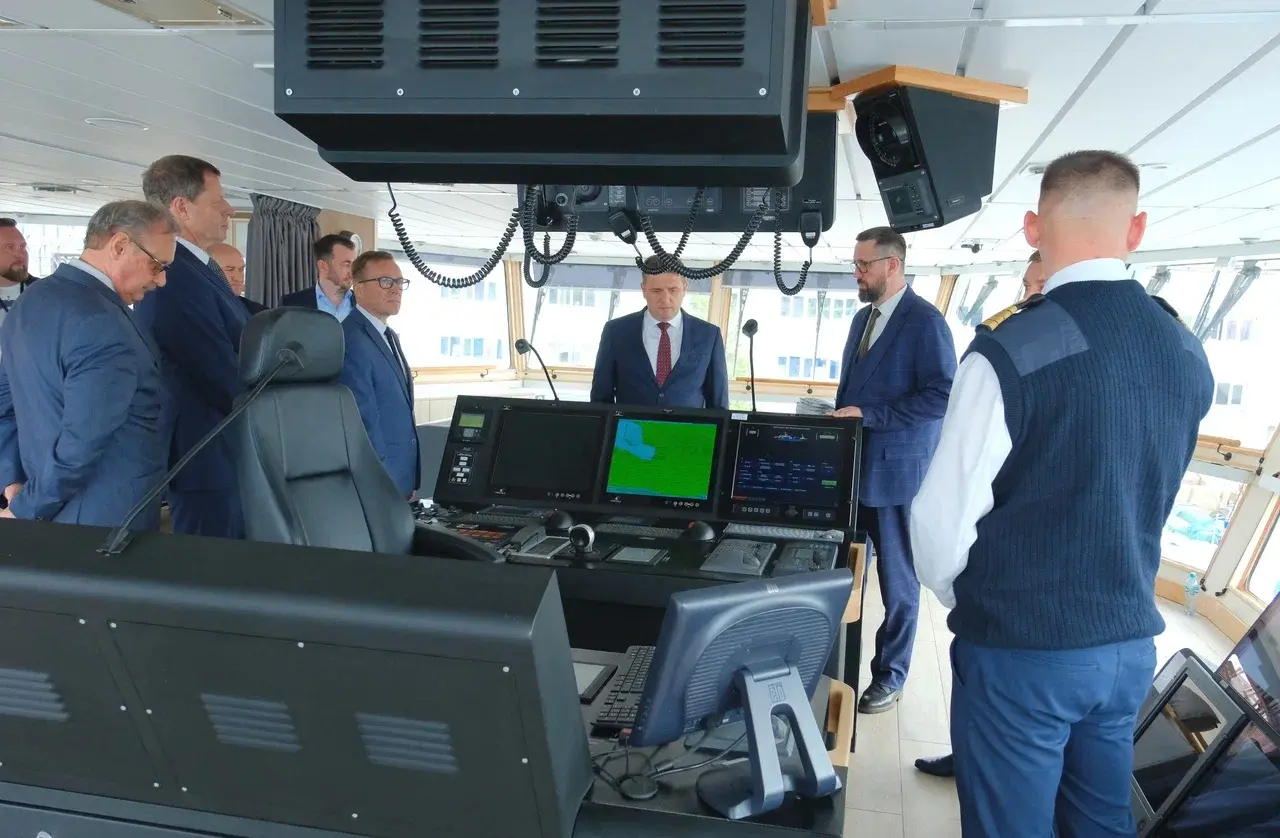
The longliner has a high level of automation (AUT1-ICS class) with a computer-integrated control system. The vessel can be controlled by one person from the wheelhouse (OMVO mark in the RS class). The view from the wheelhouse is 360 degrees, which is especially important in Arctic latitudes. The crew consists of 27 people.
Instead of a traditional controllable pitch propeller, two azimuth thrusters, each with a power of 800 kilowatts, were installed in the stern. The main engines are 2x1350 kilowatts. This solution increases thrust at low speeds and improves maneuverability, which is necessary when working with a longline.
The vessel is equipped with processing equipment for producing by-products: 25 tons of frozen cod or haddock fillet per day and a minimum of 2000 cans of canned liver. The technological equipment ensures the production of at least 15 tons of H&G product per day, and the filleting machine produces at least 8 tons of bottom fish fillet.
Longline fishing is considered the most environmentally friendly method for the ecosystem: it does not damage the seabed, allows catching specific types of fish, preserving the food base and juveniles.
Read more on the topic:
Never miss our newsAdd this site to your preferred sources to see us more oftenAdd on Google

















