Translated with AI from the Russian original.
The creation of fifth-generation networks in Russia will face a fundamental technological barrier – the allocated frequency range of 4.8–4.99 GHz, whereas the optimal frequencies for 5G globally are considered to be 3.4–3.8 GHz, which are occupied by security agencies in the Russian Federation. According to an MTS study reviewed by "Kommersant", radio waves at 4.8 GHz have lower penetration capability, so operators will have to install 1.5–2 times more base stations. At the same time, only about 3% of devices on the Russian market support this range. According to the operator's assessment, launching 5G on existing frequencies will not provide a speed increase, but will only display the network icon on the screen.
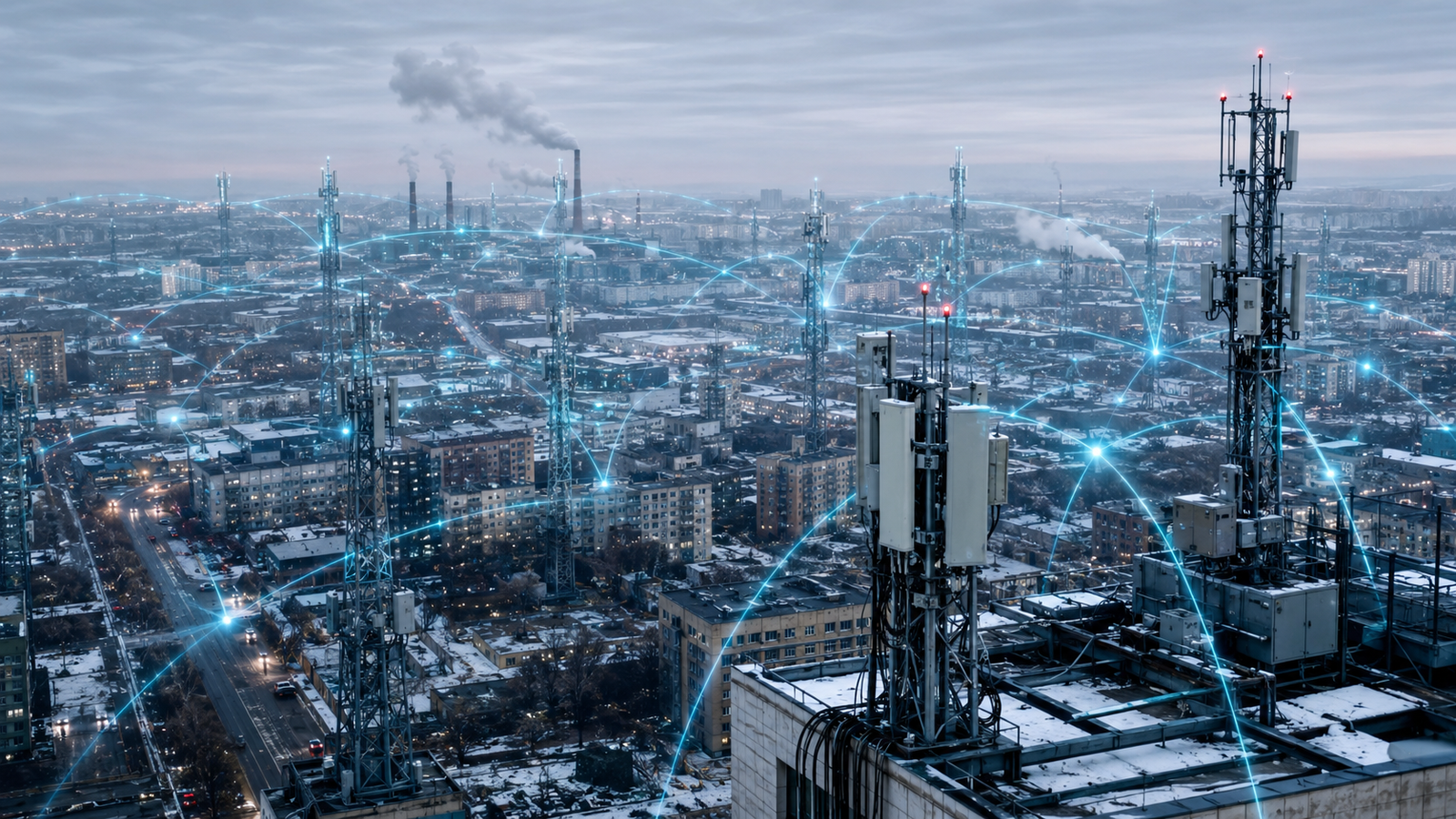
The total capital expenditures of operators until 2036 will exceed 335 billion rubles. Of these, 286 billion will fall on the consumer segment (B2C), which, according to MTS calculations, will bring a net loss of 84 billion rubles. The only driver of profitability will be the corporate segment (B2B), where profits could amount to 63 billion rubles. Deployment timelines have already been determined: in 2027, 5G will appear in Moscow, St. Petersburg, and Novosibirsk, and by 2029, it will cover 16 million-plus cities with phased coverage from 15% to 50% of the territory. Operators have already advanced more than 100 billion rubles for domestic equipment, the serial production of which is in its initial stages.
VimpelCom confirms the demand for 5G from industry, logistics, and the public sector, where investments can pay off in the medium term. The key factor for mass adoption remains the position of major vendors, who have not yet activated 5G on smartphones for the Russian Federation. If they do not do so, the natural device refresh will take a long time, and the presence of 5G will not be a decisive factor for changing phones, the company believes.
MegaFon adds that for businesses, the fifth generation of communication will become an important part of the production process – from creating private networks to launching real-time video analytics.
Experts interviewed by "Kommersant" note that without active monetization of technologies for business, the return of the invested 335 billion rubles becomes practically unrealistic, since the B2C market has already reached its maximum subscriber base and colossal capital expenditures do not translate into a comparable increase in revenue.
Read more on the topic:
Never miss our newsAdd this site to your preferred sources to see us more oftenAdd on Google

















