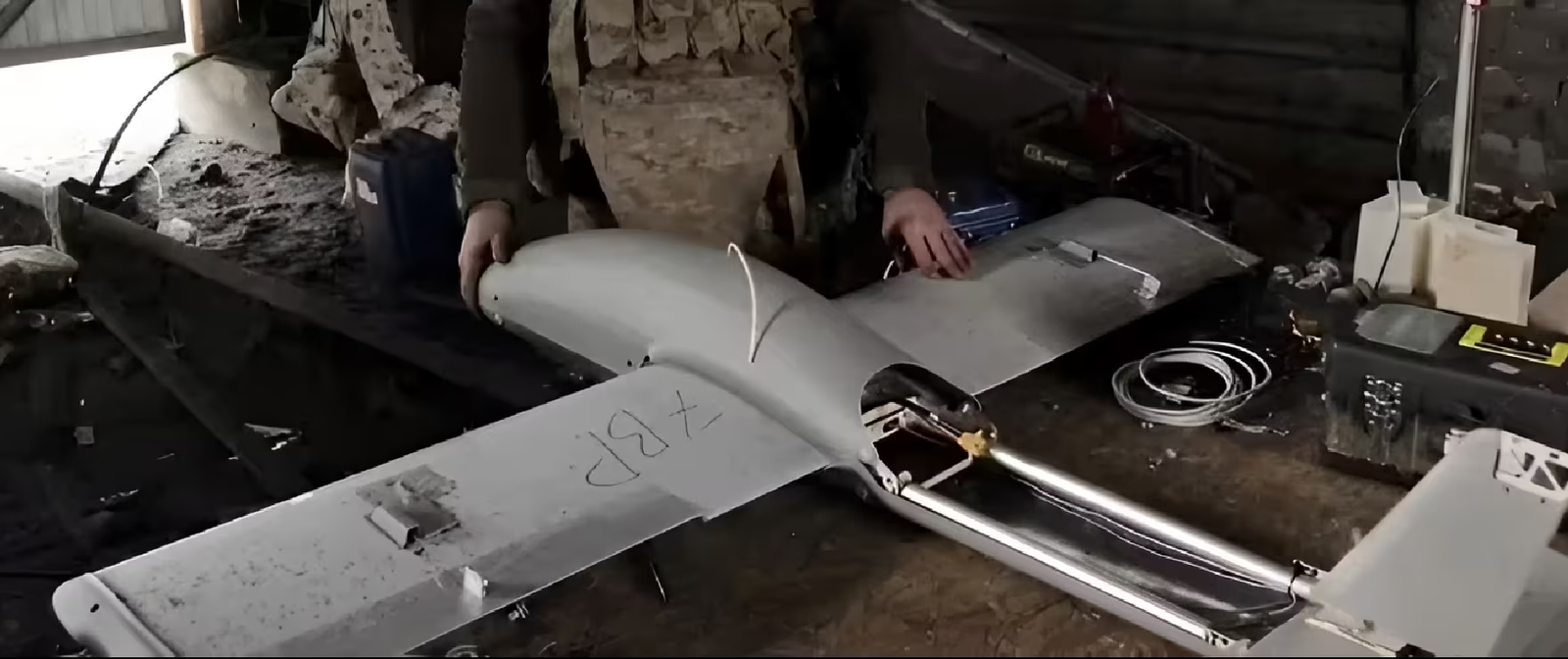
Foreign sources reported the use of the new ORG-1 munition on Russian Molniya-2 aircraft-type drones. According to published data, the munition received a high-explosive fragmentation warhead and is designed to engage personnel and light targets.
The munition operates according to a classic scheme: upon detonation, the body with pre-applied indentations breaks into fragments of a given shape, which cause damage over an area. Inside is cast TNT, and an intermediate charge ensures detonation initiation.
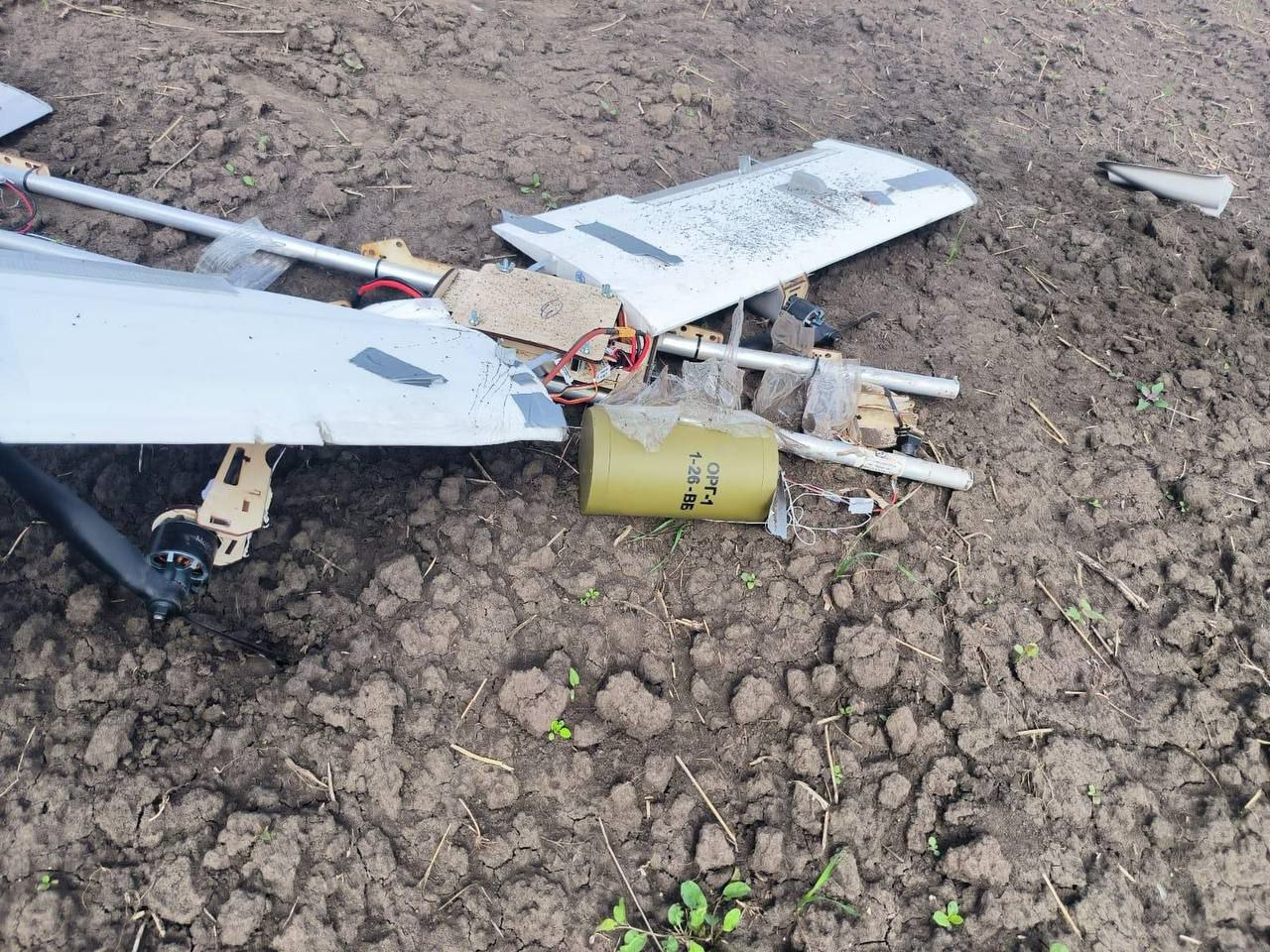
The peculiarity of ORG-1 is its flexible initiation system. Depending on the task and drone type, the munition can be equipped with a simple mechanical impact fuse or an electronic board with an electric detonator. The electronic version allows programming the height or moment of detonation, which increases efficiency when engaging targets in shelters or open terrain.
The integration of the new projectile into the Molniya-2's suspension units required minimal modifications to the drone's design. This allows for rapid expansion of the carrier fleet without significant time and cost expenditures.
The appearance of ORG-1 in the arsenal of aircraft-type UAVs reflects the general trend towards simplifying and reducing the cost of munitions for small drones. Instead of expensive guided solutions, the military chooses reliable and mass-produced items that are easy to manufacture and use.
Read more on the topic:
Never miss our newsAdd this site to your preferred sources to see us more oftenAdd on Google

















