Translated with AI from the Russian original.
Scammers have a new scheme for stealing money from bank cards – now they are massively sending fake purchase receipts to Russians for purchases that never actually happened.
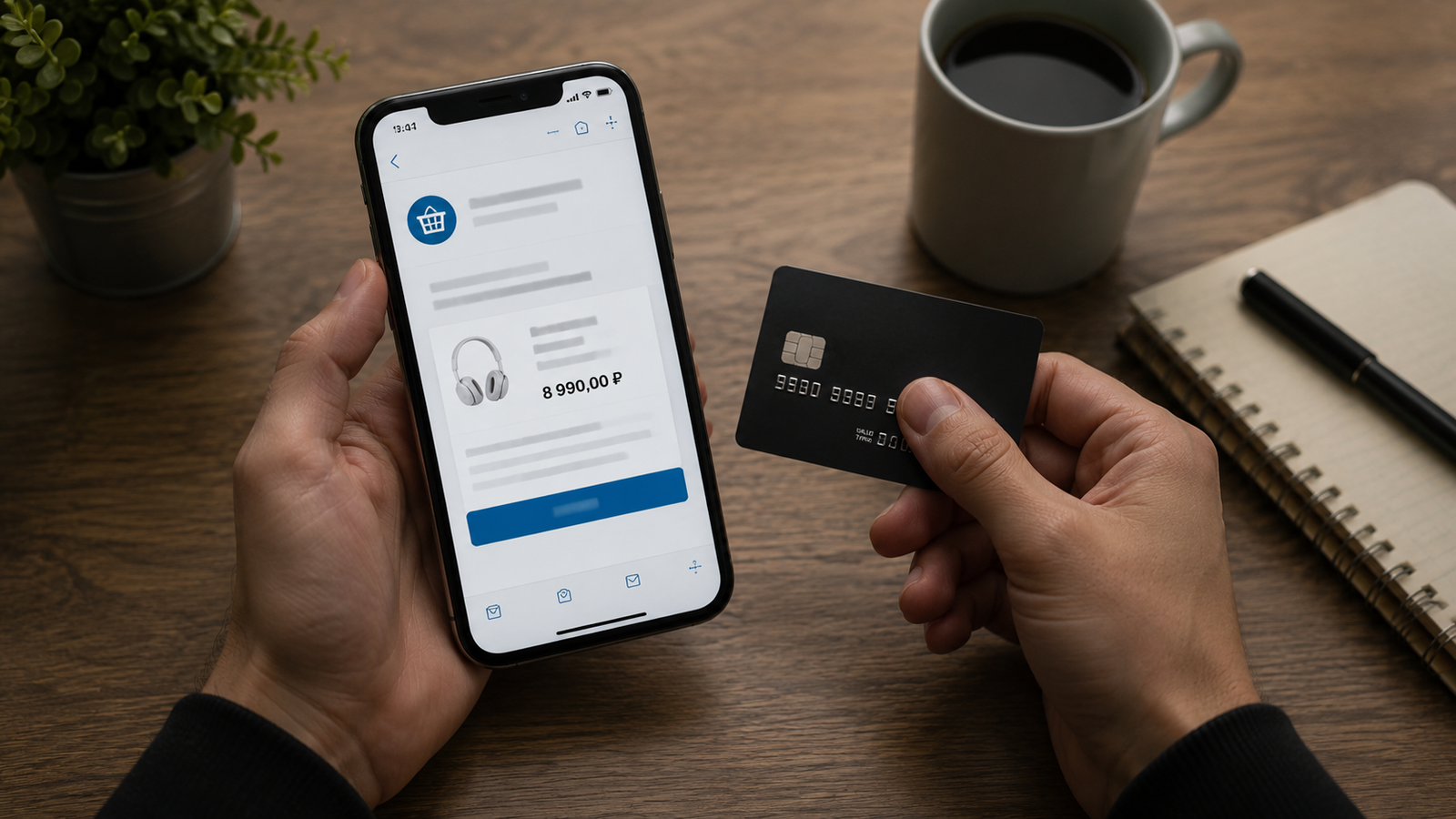
The emails arrive in inboxes and look like regular notifications from marketplaces. Inside, there's a receipt, a purchase amount, and a button or link offering to "cancel the transaction."
The scheme is built on panic: a person sees an unfamiliar charge and tries to get their money back as quickly as possible. After clicking the link, a form opens where the victim is asked to enter bank card details – card number, expiration date, and CVV code – supposedly to process a refund.
In reality, this data immediately goes to the fraudsters, who gain access to the account and can withdraw money.
A feature of the scheme is that the emails are carefully disguised as real mailings from large services. The difference is usually hidden in small details – for example, in the sender's address, where one or two letters are replaced or misspelled.
Experts recommend not clicking on links from such emails and checking order information only through official applications and store websites.
Read more on the topic:
- Fake Captcha Launches Virus: Users Voluntarily Hand Over Passwords and Banking Details
- Working on classified ad sites can be a trap: The Ministry of Internal Affairs warned about a scam scheme
- "Easy money" on marketplaces turned out to be a trap: the Ministry of Internal Affairs warned Russians about a new scam
Never miss our newsAdd this site to your preferred sources to see us more oftenAdd on Google

















