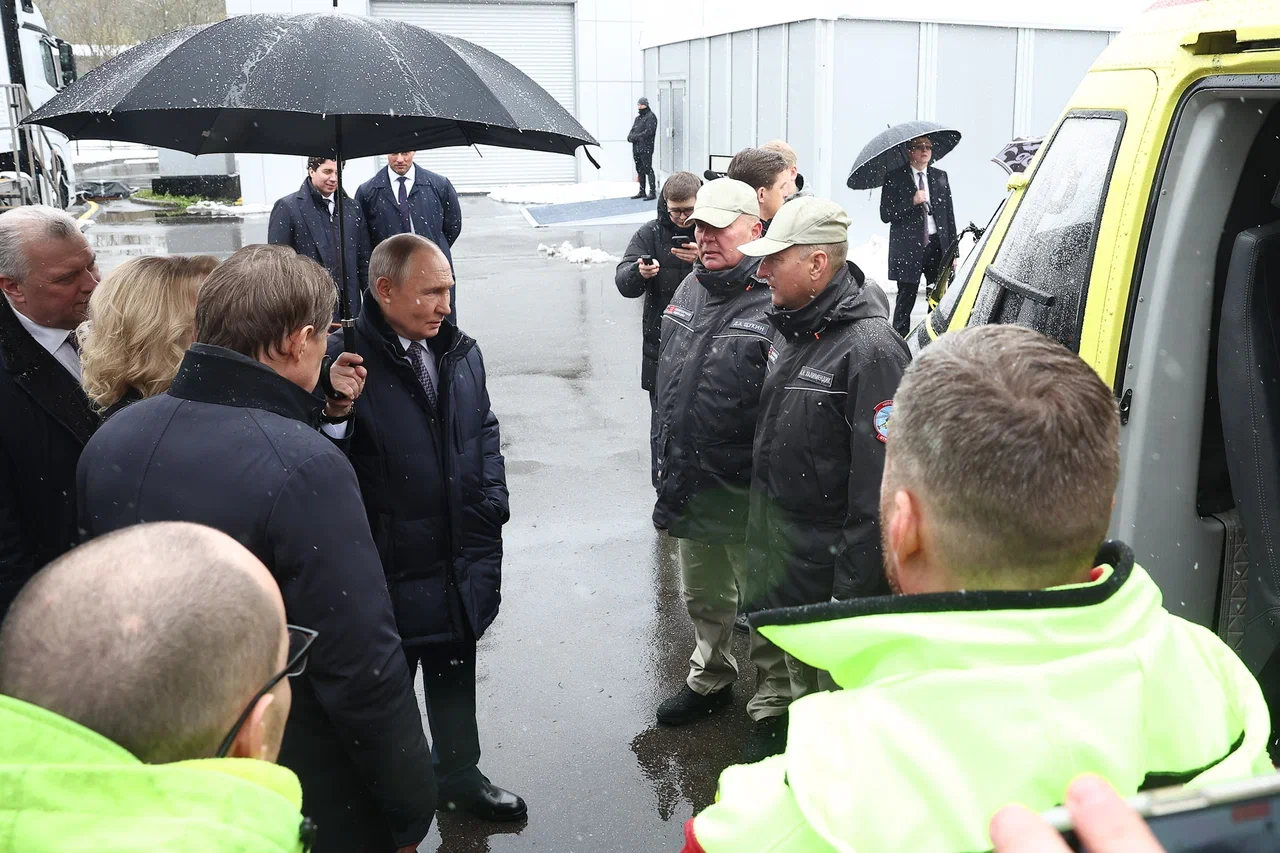
The "Ansat" medical helicopter was one of the main exhibits at the exhibition at the Federal Center for Disaster Medicine, which was visited by Russian President Vladimir Putin. The head of state was shown the machine's capabilities for emergency evacuation of patients and operations in hard-to-reach areas.
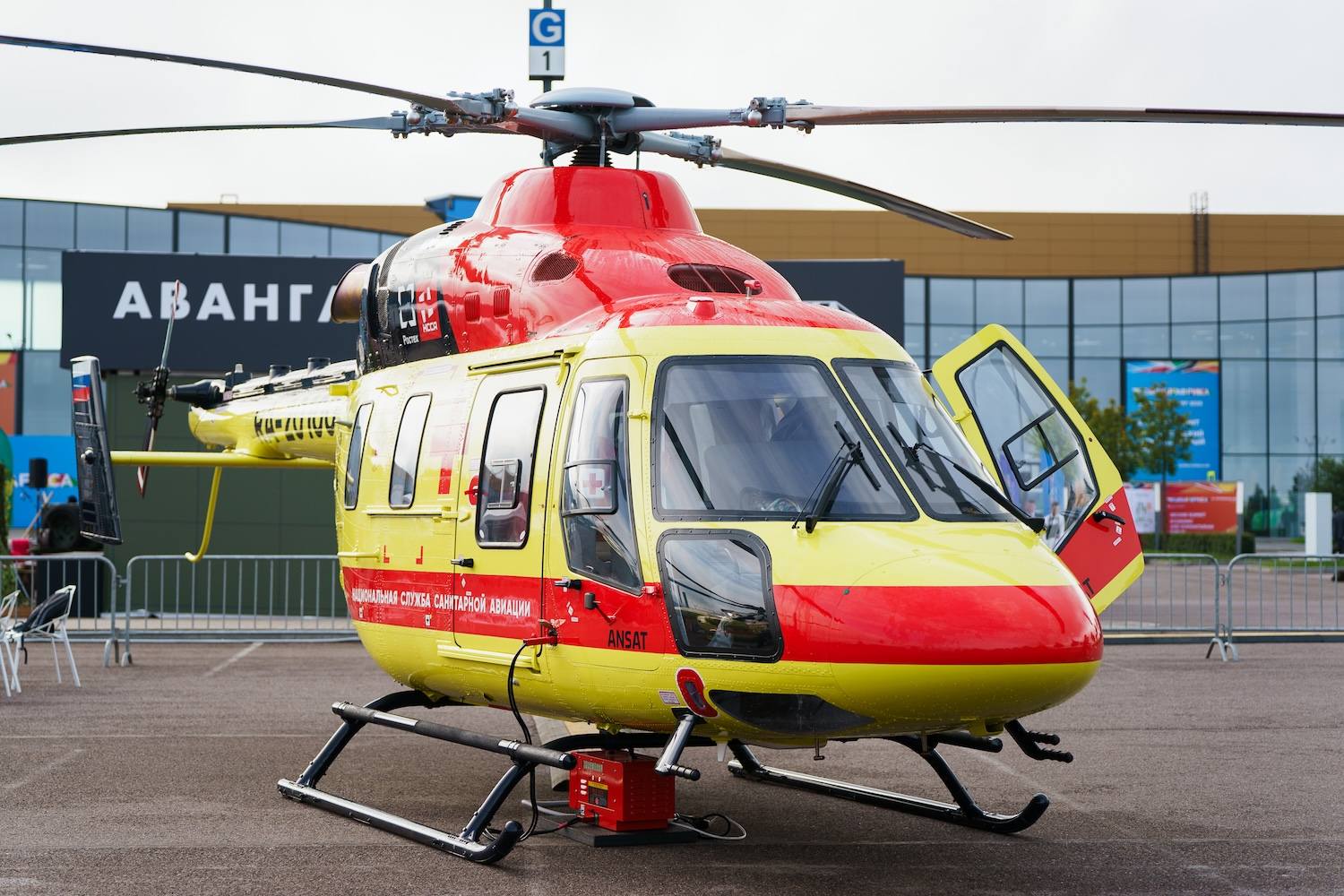
During the exhibition tour, the president was presented with Russian equipment for emergency medicine, mobile medical complexes, and aviation equipment of the National Air Ambulance Service. Special attention was paid to the medical "Ansat", which is used for urgent transportation of injured and critically ill patients.
Minister of Health Mikhail Murashko said that the helicopter can cover more than 400 kilometers without refueling and reach speeds of over 200 kilometers per hour. Thanks to its compact size and high maneuverability, the machine can land on small platforms measuring 15 by 15 meters, which is especially important in urban areas and remote settlements.
The "Ansat" medical module allows for resuscitation, intensive care, and continuous monitoring of the patient's condition right during the flight. The cabin can accommodate one recumbent patient and two medics.
During his visit to the center, Vladimir Putin also spoke with pilots of the National Air Ambulance Service who perform medical flights in the Kursk region.
Currently, the NSSА fleet operates 76 medical helicopters, including 38 "Ansats" and 38 Mi-8s. The service performs most of the medical helicopter evacuations in Russia and operates in more than 50 regions of the country.
Key characteristics of the "Ansat" helicopter:
- Power plant: starting from 2025, helicopters are equipped with domestically produced VK-650V engines. Turboshaft engines develop 650 horsepower at takeoff and 750 horsepower in emergency takeoff mode, which can last up to 2.5 minutes
- Maximum takeoff weight: 3600 kg
- Cruising speed: about 240 km/h
- Maximum speed: up to 275 km/h
- Flight range: 505 km (with an additional tank — up to 645 km)
- Dynamic (practical) ceiling: 4600 m
- Operating temperature range: from -45 °C to +50 °C
- Crew: 1–2 pilots
- Passenger capacity: up to 7–9 people
- Payload capacity: about 1200–1300 kg.
Read more on the topic:
Never miss our newsAdd this site to your preferred sources to see us more oftenAdd on Google

















