Translated with AI from the Russian original.
Neural networks are taking over some educational tasks, simplifying the process but creating a risk of reduced independent thinking. Alexander Auzan, Dean of the Faculty of Economics at Moscow State University, told "Rossiyskaya Gazeta" about this. According to him, the educational environment was the first to face the advantages and threats of artificial intelligence.
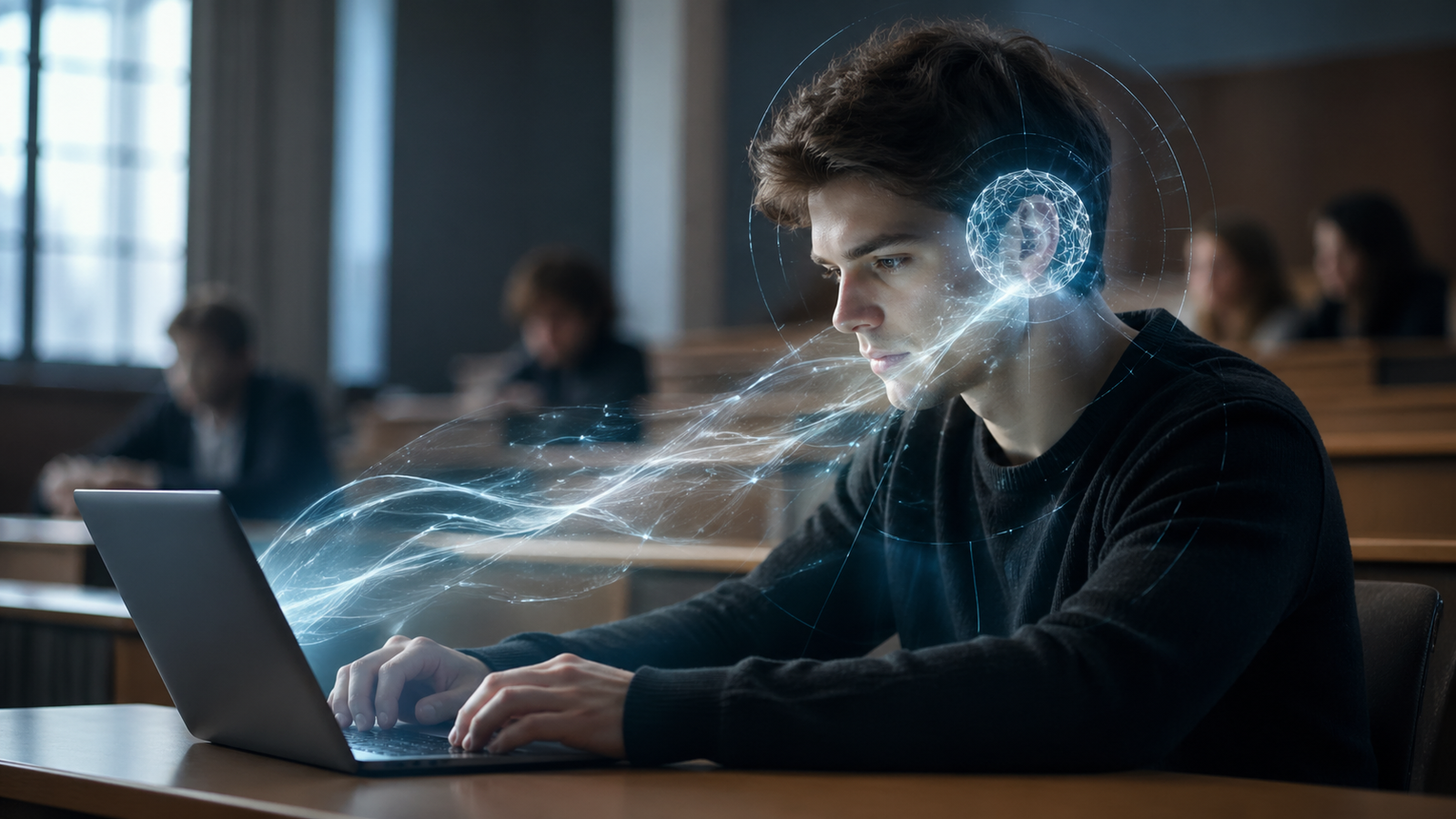
MGIMO has already implemented AI usage modes – from complete prohibition to free application depending on the type of assignment. Control is ensured by comparing student results in and out of the classroom. During exams, methods of distorting copied assignments are used to detect attempts to automatically obtain answers.
The focus is shifting from text creation to text analysis and verification. This increases qualification requirements: users must be able to verify the results of neural networks, distinguishing correct answers from errors. In the future, models where algorithms will both take and administer exams are possible – but it is impossible to completely restrict the use of AI, so the key task becomes adapting programs with an emphasis on fundamental knowledge and critical thinking.
Read more on the topic:
Never miss our newsAdd this site to your preferred sources to see us more oftenAdd on Google

















