Translated with AI from the Russian original.
The company "AN-Turbo" from St. Petersburg has patented a gas turbine engine for ground use with a redesigned architecture, eliminating the transition duct between the gas generator turbine and the power turbine. The development was registered on March 31, 2026, the authors are engineers Alexander Skvortsov and Anton Shatsky.
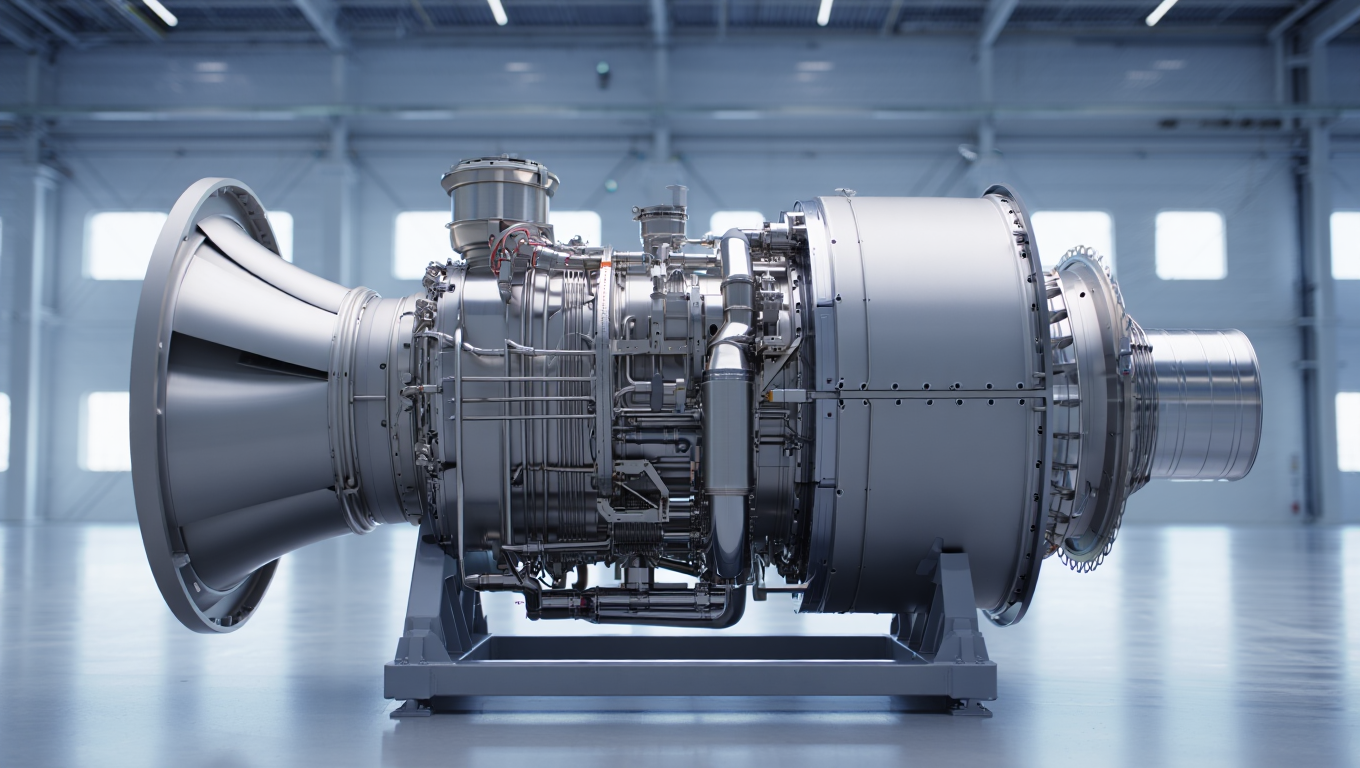
The design of the gas turbine engine is made in the form of a single block on a common frame. It includes a gas generator module with a compressor, combustion chamber and single-stage turbine, as well as a power turbine module with a two-stage design, diffuser and outlet device. The rotors are mounted on axial and radial bearings.
The key difference is the absence of a transition duct between the turbines. The gas generator impeller is cantilevered directly in front of the nozzle apparatus of the power turbine. This solution reduces the length of the installation, reduces weight and reduces material consumption.
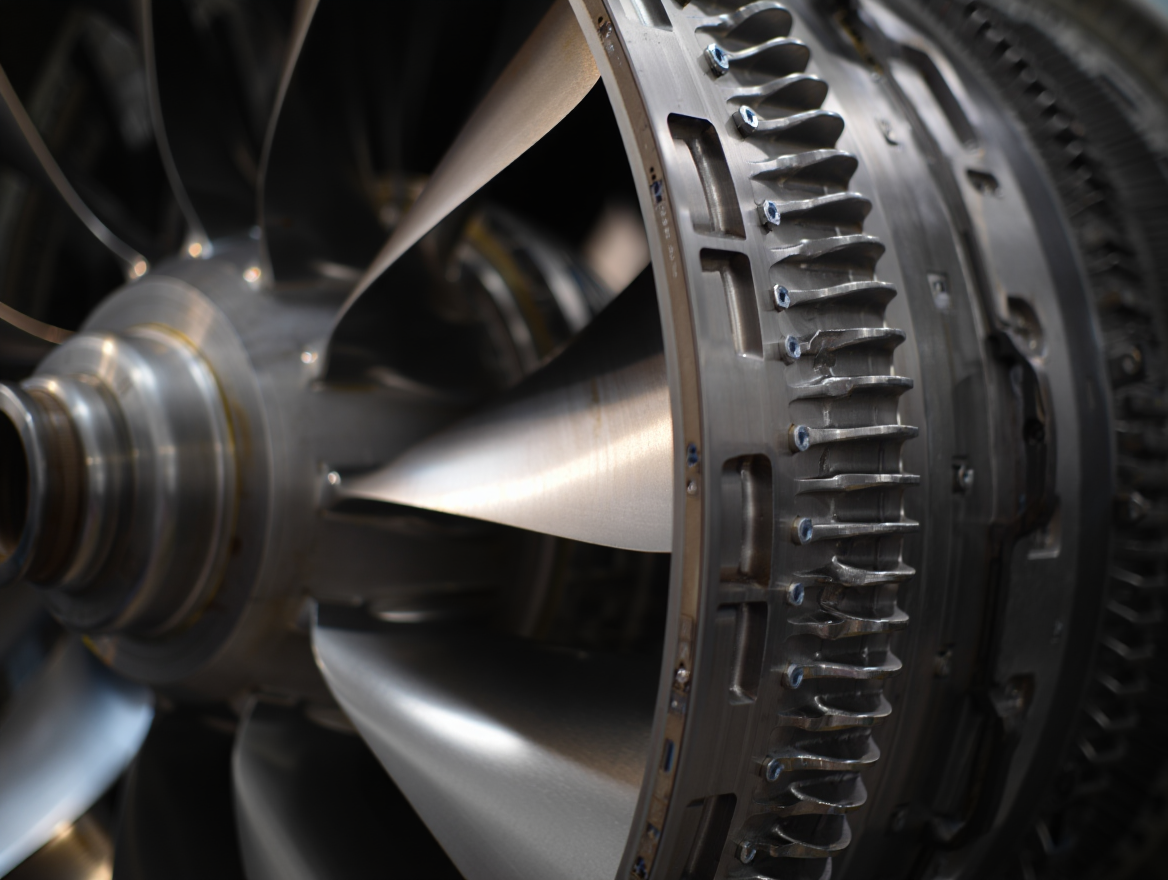
The developers also provided a horizontal connector in the gas generator module, which simplifies access to components and maintenance. The nozzle vanes of the power turbine are mounted through this connector, and the bearings are unified and interchangeable.
The elimination of the transition duct made it possible to eliminate pressure losses in the gas path, which in traditional schemes reach about 2%. This increases the efficiency and reliability of the installation.
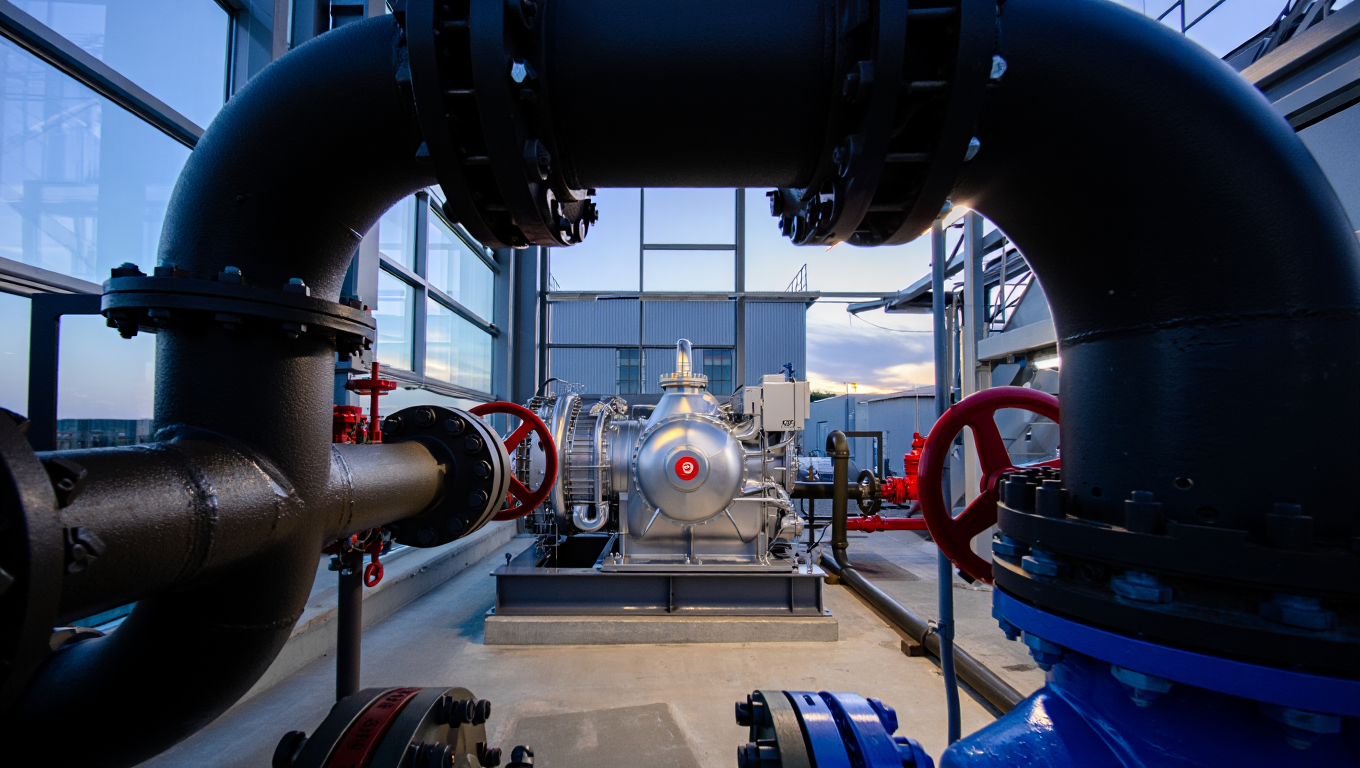
The gas turbine engine is focused on drives for main gas pipeline compressors and electric generators, where efficiency, compactness and ease of maintenance are important.
Read more materials on the topic:
- "Power Machines" are accelerating the production of turbines by two times
- Engines from Il-76MD have become turbines with a service life of 5 million hours and drive power plants
- Foreigners did not pay UEC $2.1 million for turbines
Never miss our newsAdd this site to your preferred sources to see us more oftenAdd on Google

















