Russian developer Andrey Krotov has patented a new unmanned aerial vehicle that stays in the air longer and operates more stably in cold weather and at high altitudes. The engineer's solution eliminates a key problem of drones — the rapid drop in lift and reduction in flight time with temperature and pressure changes.
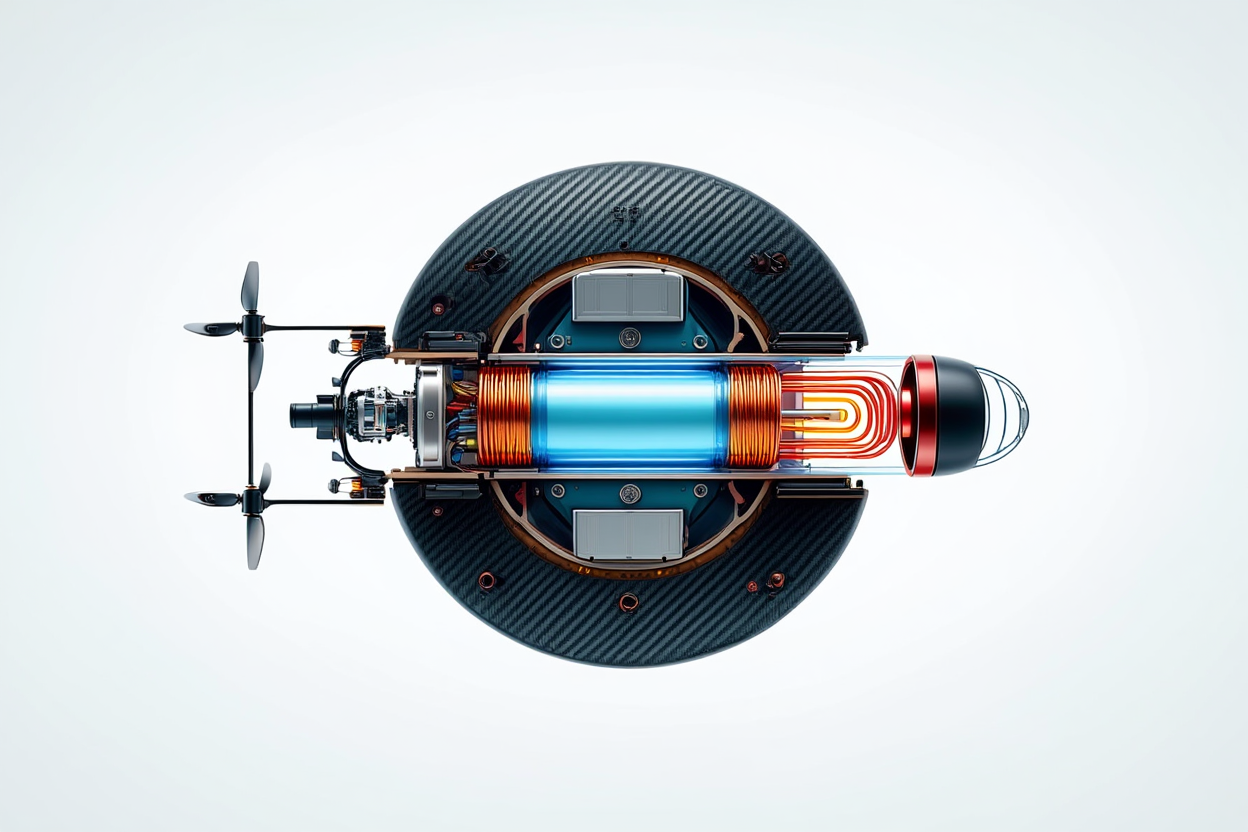
The design combines an aerostat and a multicopter. The disc-shaped carbon fiber body is filled with a gas lighter than air, which creates part of the lifting force and reduces the load on the propellers.
Heating elements are placed inside: the control system heats the gas, it expands and compensates for compression in the cold and at altitude. The device retains thrust where conventional UAVs lose efficiency.
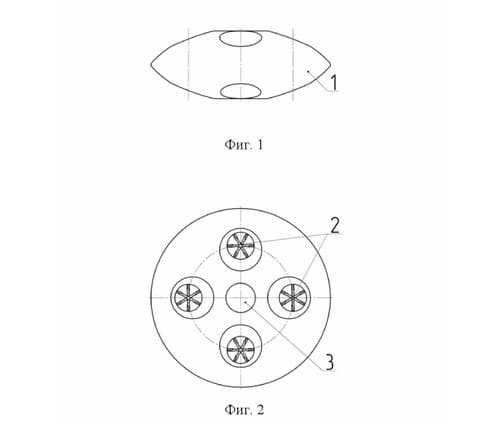
Krotov sealed the central compartment with electronics and batteries, and placed the engines in through channels of the hull. This arrangement protects the equipment, reduces vibration and prevents gas leaks.
The extended version includes solar panels and a hydrogen fuel cell — they power the batteries in flight and increase autonomy.
Read more on the topic:
Never miss our newsAdd this site to your preferred sources to see us more oftenAdd on Google

















