The Defense Acquisition Committee of the Indian Ministry of Defense has approved the urgent supply of 288 Russian-made anti-aircraft guided missiles for the S-400 Triumph systems. According to the Hindustan Times, the contract amounts to 100 billion Indian rupees, which is equivalent to one billion US dollars.
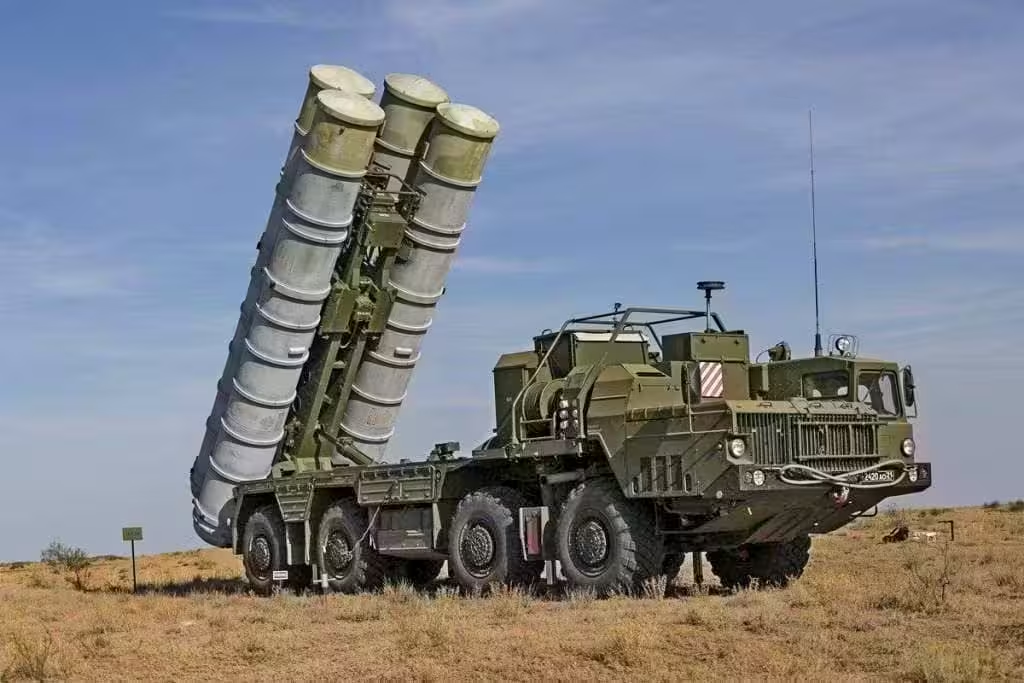
The batch will include 120 short-range missiles (up to 40 km) and 168 medium- and long-range missiles (from 150 to 400 km). This differentiated configuration will allow the Indian Air Force to respond flexibly to threats of various levels, from tactical drones to strategic aircraft.
At the same time, a one-year contract for the maintenance of the existing S-400 divisions has been approved. Under the agreement, the Russian side will organize a specialized service center in India for routine maintenance, repair and modernization of equipment. This will be the first such center outside of Russia and will increase the autonomy of the systems' operation by the Indian military.
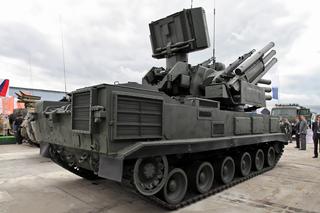
According to sources, the Indian Air Force command is also working on the possibility of expanding the country's anti-aircraft shield. The plans include the acquisition of five additional S-400 divisions, as well as short-range Pantsir-S1 complexes to create a multi-tiered air defense system with integration into a single national air defense network.
It should be recalled that in 2018, India signed a contract with Russia for the supply of five S-400 divisions with a total value of $5.43 billion. The first set was deployed in the state of Punjab, in close proximity to the border with Pakistan.
Read more materials on the topic:
- S-400 Triumph SAM system confirmed its superiority in intercepting ATACMS missiles
- Russia has delivered S-400 Triumph SAM launchers abroad
- Large comparison of S-400 Triumph and Patriot: how the Russian system surpasses the American one
Never miss our newsAdd this site to your preferred sources to see us more oftenAdd on Google