Ahead of the physical startup of the first power unit at the Rooppur Nuclear Power Plant, being built in the Pabna district of Bangladesh under the Russian VVER-1200 design, specialists completed large-scale testing of the safety systems. During the tests, the equipment operated in normal design modes while simulating a loss of tightness in the primary circuit, one of the most severe design-basis accidents.
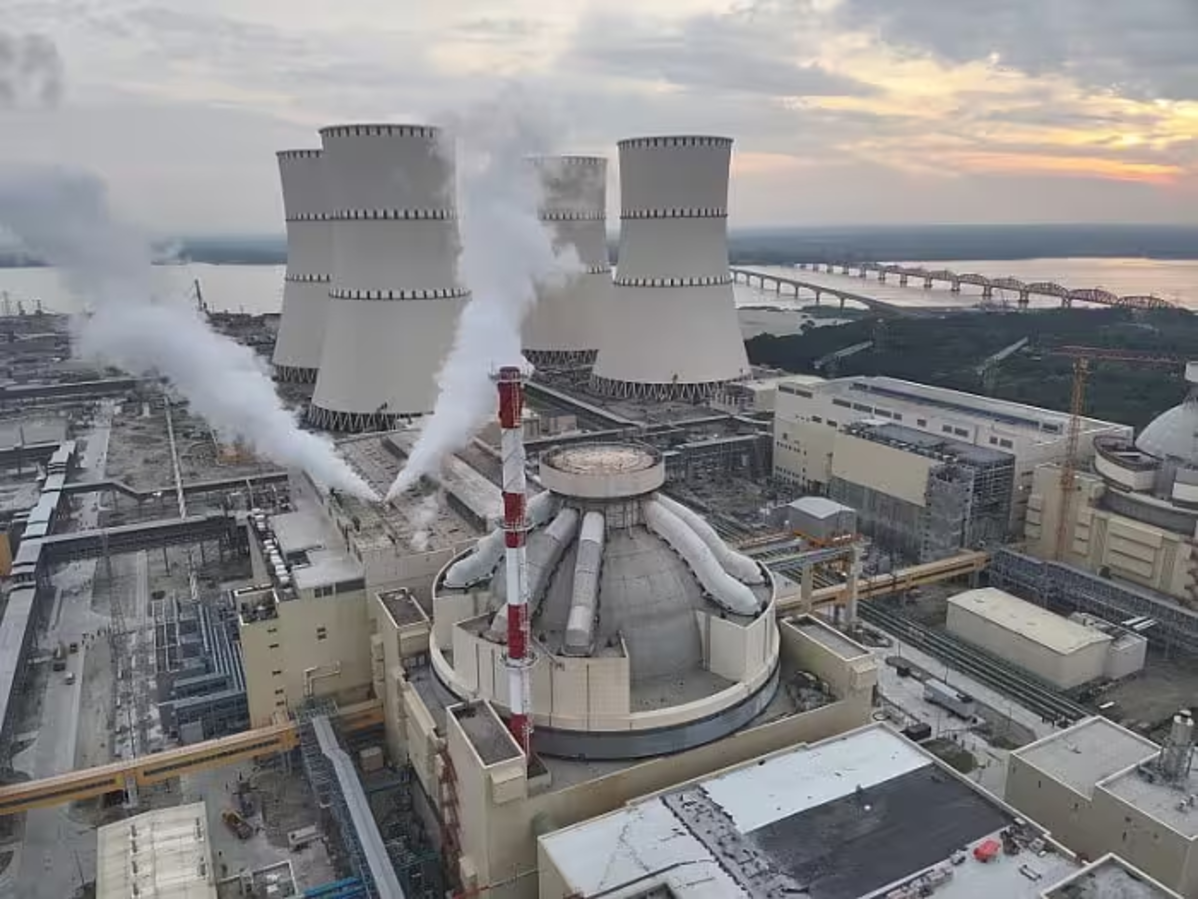
Particular attention was paid to testing the sprinkler system, which belongs to the category of the plant's active safety systems.
According to the design documentation, this system is intended to localize the consequences of accidents accompanied by ruptures of primary or secondary circuit pipelines inside the containment.
During the test, water was supplied from the pool where spent fuel is stored to pipes laid along the dome of the reactor compartment. The water was sprayed through special nozzles, evenly covering all internal surfaces. This helped cool the reactor equipment and reduce excess pressure inside.
The used water drained into special collection sumps in the lower part of the containment area, from where it was pumped back into the system's closed loop for reuse. This circulation scheme makes it possible to maintain irrigation efficiency throughout the entire period of development of a hypothetical emergency situation.
After all checks, the equipment operated as required, without failures. The results showed that the protective systems are reliable and ready to cope with an accident if one occurs.
Read more materials:
- Atommash will double output of equipment for NPP turbine halls
- Design of the 400 MW Nizhne-Zeiskaya Hydropower Plant will be completed in September
- From power plant ash to clean water: Russian-Chinese scientists have created a "green coagulant" for water treatment
Never miss our newsAdd this site to your preferred sources to see us more oftenAdd on Google