A domestic microprocessor centralization system for digital train traffic control has been introduced at the Kurskaya station of the fourth MCD diameter. The new equipment improves the safety and capacity of the railway network, the Natproektstroi Group of Companies reported.
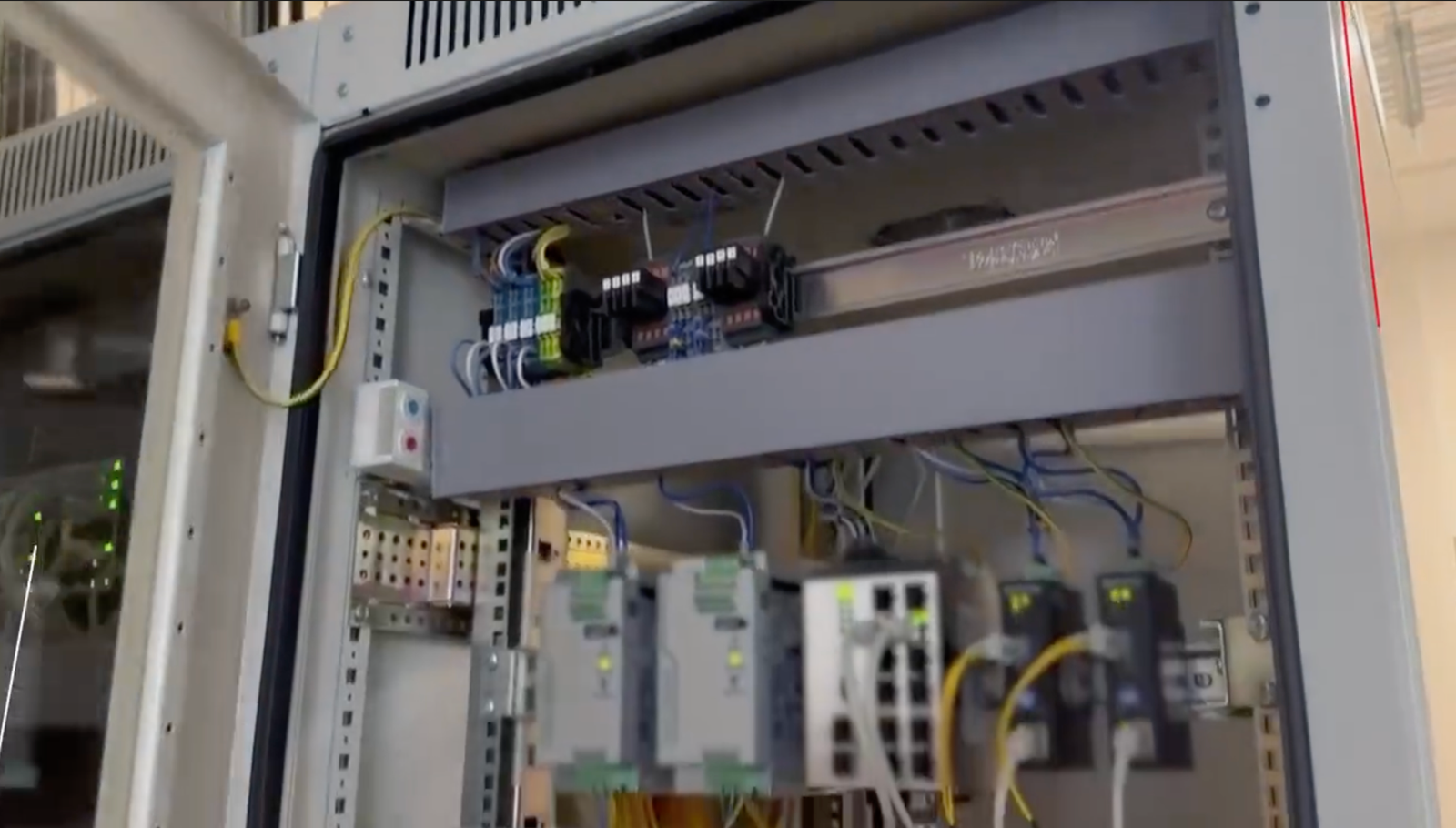
Kurskaya has become one of 16 MCD-4 stations equipped with the domestically developed MPC-EL system. The equipment was installed in a new three-story electrical interlocking post building constructed by specialists from OSK 1520, part of Natproektstroi.
The system makes it possible to remotely control switches and signals, set train routes, monitor technical parameters, and promptly detect malfunctions. Cyber protection is built into the software suite, which is especially important for critical infrastructure facilities.
The digitalization of traffic control improves transport safety and increases line capacity. Kurskaya station is one of Moscow's largest transport interchange hubs, connecting MCD-2, MCD-4, three metro lines, and ground transport.
Earlier, Natproektstroi companies built an underground vestibule at Kurskaya, three new platforms with canopies along their entire length, and reconstructed three pedestrian tunnels.
Read more materials on the topic:
- For the first time in Russia: a digital traffic control system was introduced on MCD-4
- Magnetic levitation and suspended rail systems: promising transport technologies named
- The hundredth "Ivolga 4.0" has covered 60,000 km on MCD-4
Never miss our newsAdd this site to your preferred sources to see us more oftenAdd on Google