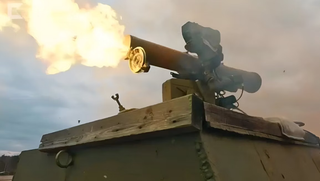
The Russian anti-tank missile system (ATGM) "Kornet" unexpectedly changed its specialization. Now the military is using it not against combat vehicles, but against fortification structures.
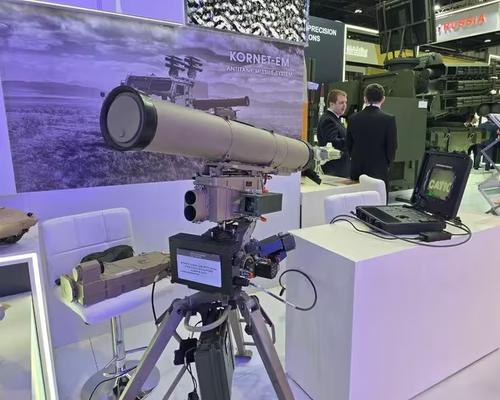
The 152-millimeter missile of the "Kornet" is a guaranteed "one-way ticket" for any Abrams and Leopard, but now it has been adapted for new tasks.
Instead of a cumulative charge, there is a thermobaric one; the ATGM works not against steel, but against concrete and manpower, opening even the most fortified strongholds.
The thermobaric projectile destroys exactly the fortification structures. It doesn't matter if it hits nearby or into it. It's good if it's right into it, but if it's nearby, it won't seem like much.
Rostec noted that"Kornet" was also repurposed against air targets, including helicopters and heavy drones. Missiles with a non-contact sensor proved to be effective, although, in general, ATGMs were originally created specifically to destroy tanks.
Let us remind you that the basic version of the Kornet missile is capable of penetratingup to 1000 millimeters of armor behind dynamic protection. The ammunition is controlled by a laser beam.
Read more materials on the topic:
- Organize all-round defense: another unique property of the new "Kornets" is named
- Salvo fire: the new Kornet ATGM will be three times more powerful thanks to a technical solution
- "The pinnacle of Russian technology": Bulgarian Military appreciated the versatility of the Kornet ATGM
Never miss our newsAdd this site to your preferred sources to see us more oftenAdd on Google