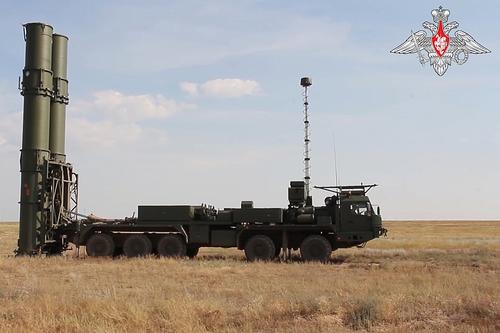
The first regiment equipped with the S-500 "Prometheus" anti-aircraft missile system (developed by the Almaz-Antey Air and Space Defence Concern) has assumed combat duty. This was announced by the head of the Russian Ministry of Defense, Andrei Belousov, during the final board meeting of the department.
The Aerospace Forces have formed an air and missile defense division for the first time, Belousov emphasized.
The first regiment, equipped with the unique S-500 SAM system capable of hitting targets in near space, has assumed combat duty.
According to him, the deployment of anew air defense segment, which includes FPV interceptors, has also begun. The effectiveness of such drones has already been proven. Belousov added that the formation of this segment should be completed in the first half of 2026.
In 2025, the supply ofunmanned systems with elements of artificial intelligence (AI) to the troops has begun. New technologies allow the drone to hold the target in automatic mode, as well as plot a course without connecting to navigation systems. In 2026, the volume of deliveries of such drones will increase significantly, he concluded.
Read more materials on the topic:
- Foreigners will not receive the latest S-500 "Prometheus" SAM system
- A foreign buyer has been found for the Russian S-500 "Prometheus" SAM system
- The manufacturer of the S-500 "Prometheus" SAM system will surprise buyers at an exhibition abroad
Never miss our newsAdd this site to your preferred sources to see us more oftenAdd on Google

















