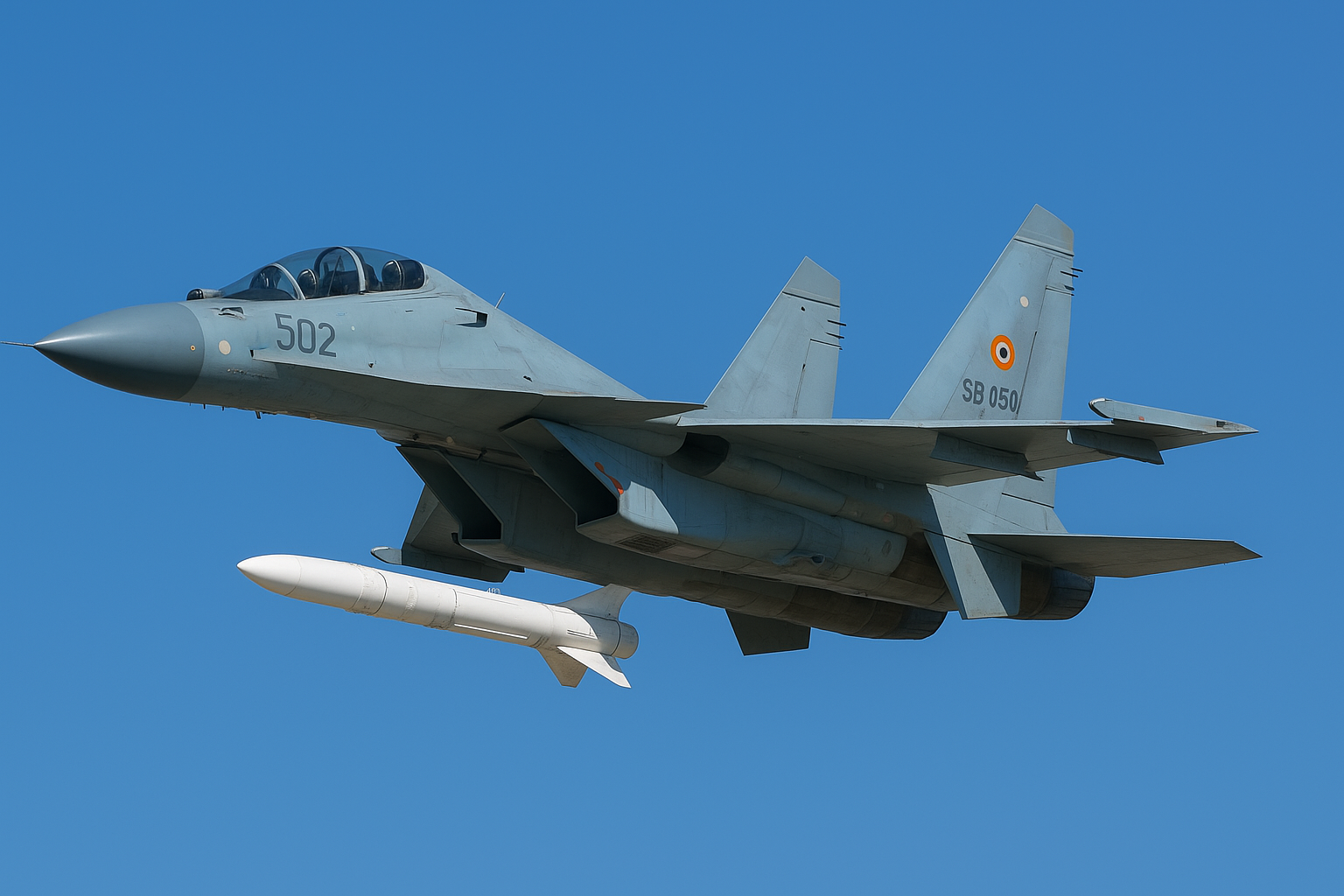
Russia and India, during negotiations in New Delhi, explored the possibility of jointly developing a new "air-to-air" missile with a range of about 500 kilometers for the modernized Su-30MKI, according to analysts at Military Watch Magazine.
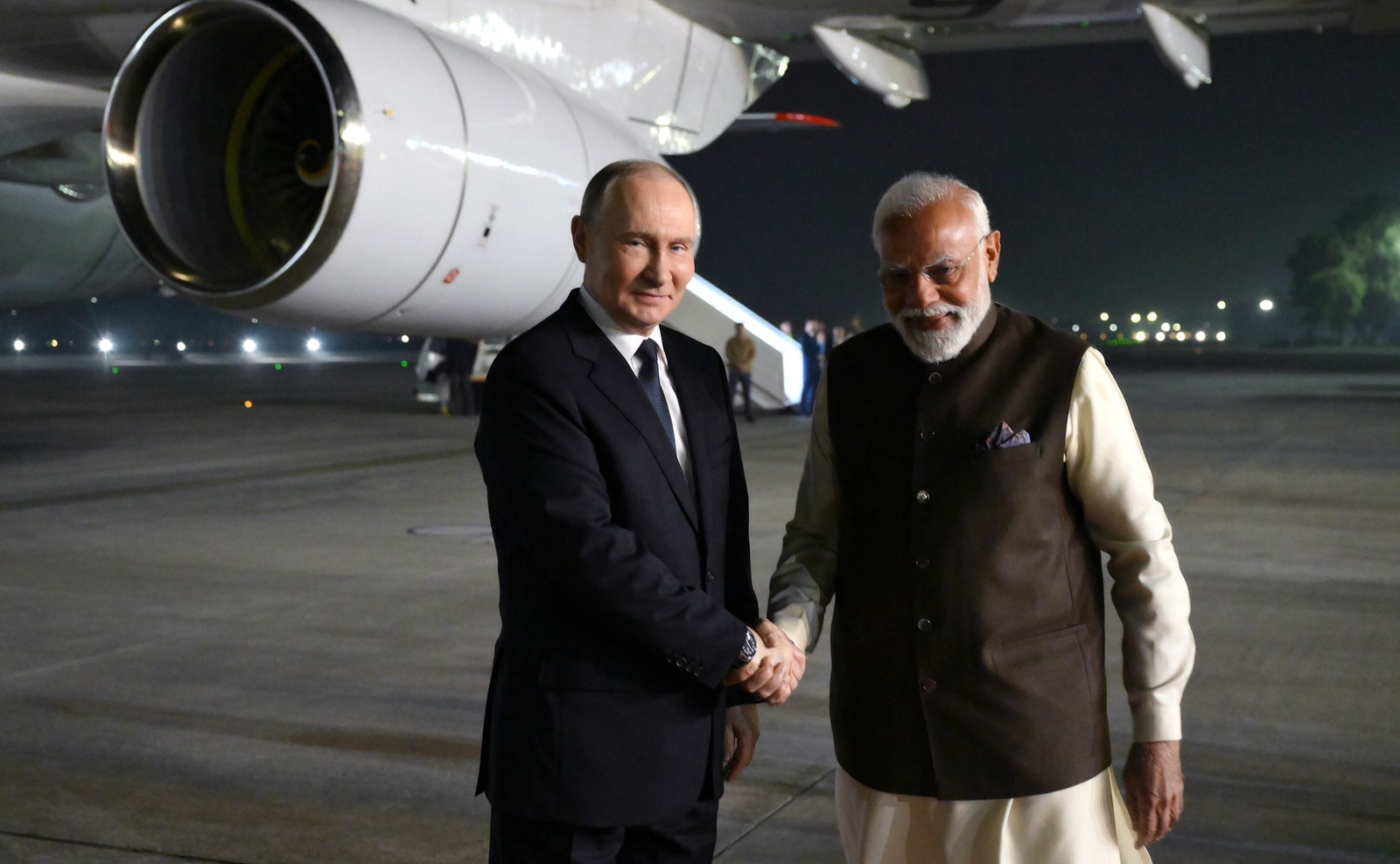
Russian President Vladimir Putinarrived in India on December 4 for his first state visit in a long time. The parties confirmed that the agenda of the meeting between the two leaders includes the discussion of several major defense projects. These include the next stage of modernization of the Su-30MKI fighters, which remain the backbone of the Indian Air Force, as well as the development of new aviation missiles. Against this background, expectations have emerged that Moscow and New Delhi may advance in the creation of a super-long-range missile for the Su-30MKI with an estimated range of about 500 kilometers. The developer, if the project is approved, is expected to be the joint venture BrahMos, which created the BrahMos cruise missile used by the Indian ground forces, navy, and air force. In May, it was tested in combat conditions in the Pakistani direction and showed good results.
Russia has been a world leader in the development of very long-range air-to-air missiles for decades, and the R-37M, developed for the MiG-31BM interceptor, has been integrated into domestic Su-35 and Su-57 fighters. Currently, a miniature version of the missile is being developed under the "Product 810" program, which will be installed in the main armament bays of the Su-57.
Russian military sources report that the R-37M missile began to be actively used in combat operations in 2022. Its range is about 400 kilometers, which is more than twice the range of the AIM-120D (160 kilometers) used by the main NATO units. The missile is equipped with a warhead weighing about 60 kilograms and is capable of reaching speeds of about six Mach. The new Indian-Russian missile is also estimated to use developments on the R-37M and "product 810", similar to how BrahMos relied on Soviet P-800 technology.
Indian fighter units today lag behind Chinese and Pakistani units in terms of missile range. Chinese PL-15 and the newer PL-16 outperform Indian counterparts, and the PL-17, a large missile with a range of about 500 kilometers, used mainly on the J-16, forms a significant regional advantage. At the same time, after the purchase of the S-400, India was able to strike valuable air targets at distances of over 300 kilometers. According to the Ministry of Defense of the country, in May, the S-400 complex with the 40N6 missile hit a Pakistani support aircraft deep in its airspace. The departmentplans to expand purchases of S-400 and 40N6 missiles. The development of a missile comparable in range to existing systems will provide the Indian Air Force with unique maneuverability capabilities not available to ground-based air defense systems. This addition to already deployed long-range systems will significantly increase the flexibility and efficiency of the air force.
Possible modernization of the Su-30MKI
The discussion of the development of a new missile is going on in parallel with the work on the next update of the Su-30MKI. The program includes improving avionics, radar and weapons, which allows expanding the capabilities of the machine in air combat. The Indian side expects to receive a platform that ensures the effective use of long-range air missiles, where the carrier plays a decisive role. If the project is approved, BrahMos will face the task of integrating the latest technologies into the Su-30MKI, while maintaining full compatibility with the existing systems of the aircraft.
The role of Russia in the development of long-range missiles
Russian achievements in the field of missile technology are reflected in the development of heavy missiles for fighters and interceptors. The R-37M stands out for its characteristics, such as long range, high speed and powerful warhead. The "product 810" program aims to create a compact missile that will be installed on the Su-57, which opens up an additional technological base for a possible joint project with India. According to the Indian side, the transfer of these technologies to a new generation of air missiles will accelerate development and shorten the test cycle.
Earlier it became known that Indialaunched a large-scale modernization program for Su-30MKI fighters under the code name "Super-30". As part of the initiative, it is planned to update 84 machines over the next 3-4 years, which will extend their service life to 2055.
Read more materials on the topic:
- India will turn the Su-30MKI into an invisible aircraft: a new coating will reduce the RCS by 3 times
- The new Russian nuclear missile R-37M for the MiG-31 and Su-35S will be able to shoot down squadrons: what is known about it?
- The newest 100 km range missile has been successfully tested from a Su-30MKI fighter
Never miss our newsAdd this site to your preferred sources to see us more oftenAdd on Google