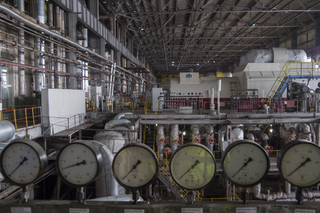
Cosmonaut Oleg Kononenko, Hero of Russia, spoke at a round table during Russian Energy Week (REW) and emphasized that the construction of a nuclear power plant on the Moon would be an important step in the industrial development of Earth's satellite.
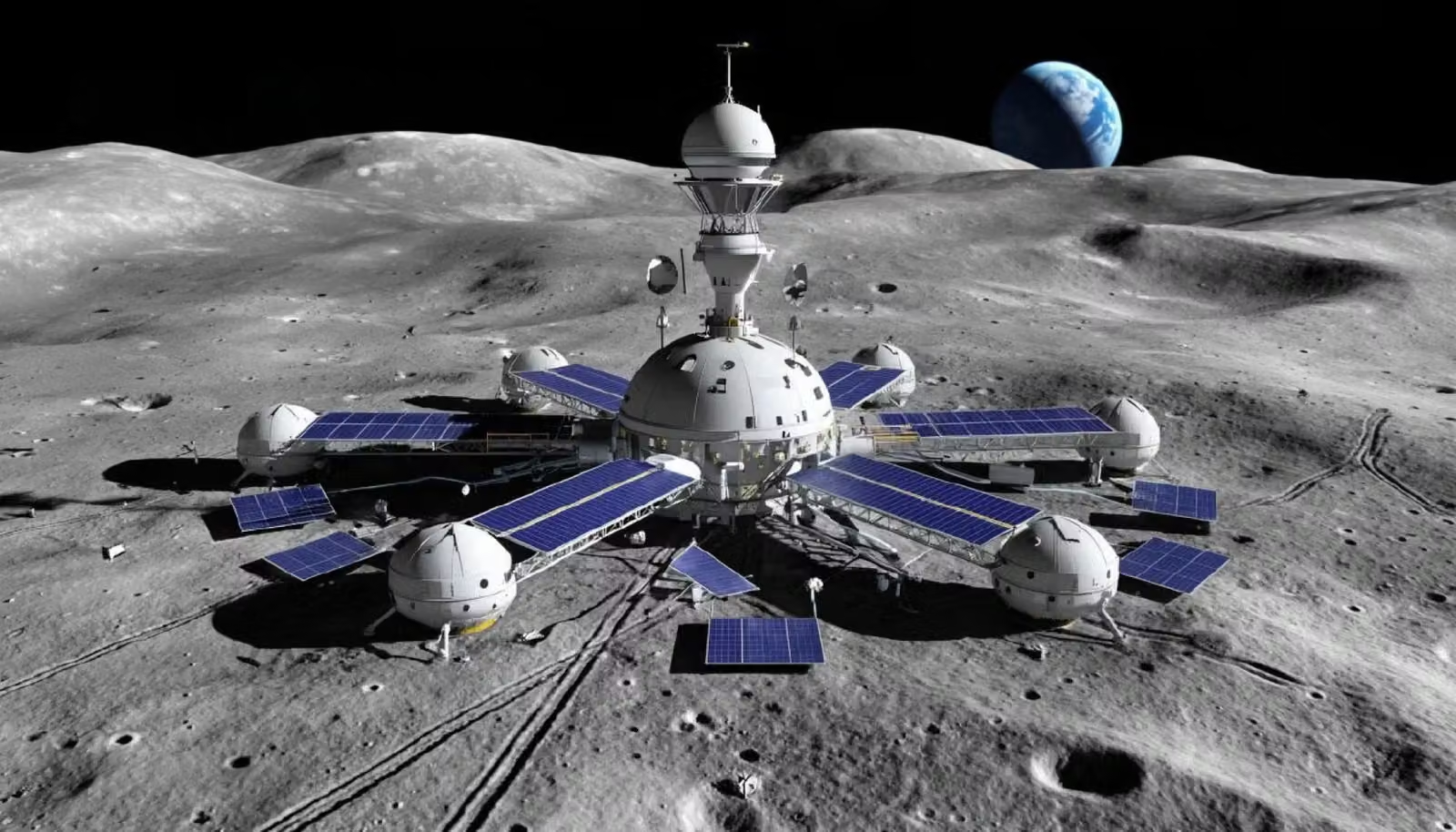
Despite the difficulties, the implementation of this ambitious plan will allow us to move from one-time "raids" on the Moon to its industrial development. Nuclear technologies are not just electricity. Nuclear technologies are not only about generating electricity. Nuclear technologies open up opportunities for us to explore the Moon, deep space, and solve pressing energy problems.
According to him, such a facility will provide a stable power supply for future lunar bases, research stations, and, in the future, industrial complexes, which will fundamentally change humanity's ability to work and live beyond our planet.
Experts emphasize that this ambitious project will be considered an important step for the development of technologies that can function in the extreme conditions of space. It will also demonstrate the country's technological superiority in a strategically important area.
Earlier,www1.ru reported thata cargo space plane to replace launch vehicles is being developed at MAI.
Read more materials:
- New Russian radar for satellite systems tested on board an aircraft
- Su-9 "Fishpot": an interceptor fighter that was ahead of its time
- A new modification of the all-wheel drive Sobol NN 4x4 has been presented
Never miss our newsAdd this site to your preferred sources to see us more oftenAdd on Google