Translated with AI from the Russian original.
Super-powerful charging stations for electric vehicles have appeared in Moscow thanks to the development of a Moscow manufacturer, a member of the electric vehicle manufacturing cluster based on the Technopolis Moscow special economic zone (SEZ), as announced by the city's mayor, Sergei Sobyanin.
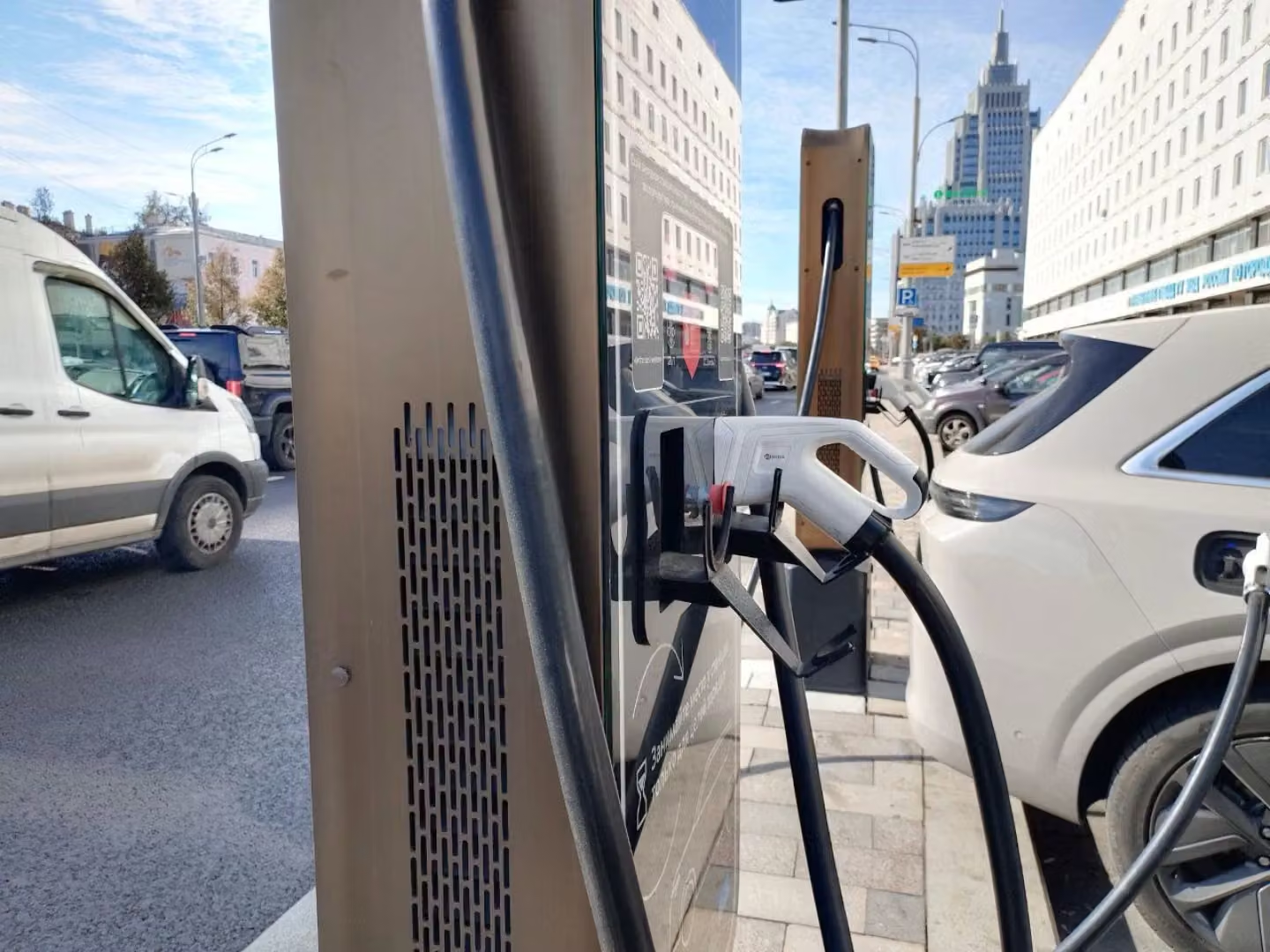
The company "Parus electro" has developed and launched the production of a charging station with a capacity of 342 kilowatts.
For comparison: 342 kW is enough power to simultaneously supply 30-60 ordinary apartments with electric stoves.
The station has a compact size and occupies only one square meter. Up to five cars can be connected to it simultaneously, which will not affect the speed of fast charging - 10-15 minutes for modern electric vehicles. The station is also compatible with most models.
This is an important step towards the development of green transport and the improvement of the environmental infrastructure in the city, and another step in the overall strategy for the development of electric vehicles and the charging infrastructure of the capital.
The first stations were installed on federal highways in the region for quick recharging en route for residents of the capital traveling out of town.
Read more related materials:
- More power, less waiting: a new 320 kW charging station for electric vehicles will appear in Russia
- Return benefits for charging electric vehicles proposed in Russia
- Amberauto A5 electric car caught fire after charging
Never miss our newsAdd this site to your preferred sources to see us more oftenAdd on Google

















