Russian scientists have created a unique implant made of metal-ceramic mesh that helps women retain the possibility of motherhood after removal of the cervix. Thanks to this technology, 28 children have already been born, according to the press service of Tomsk State University (TSU).
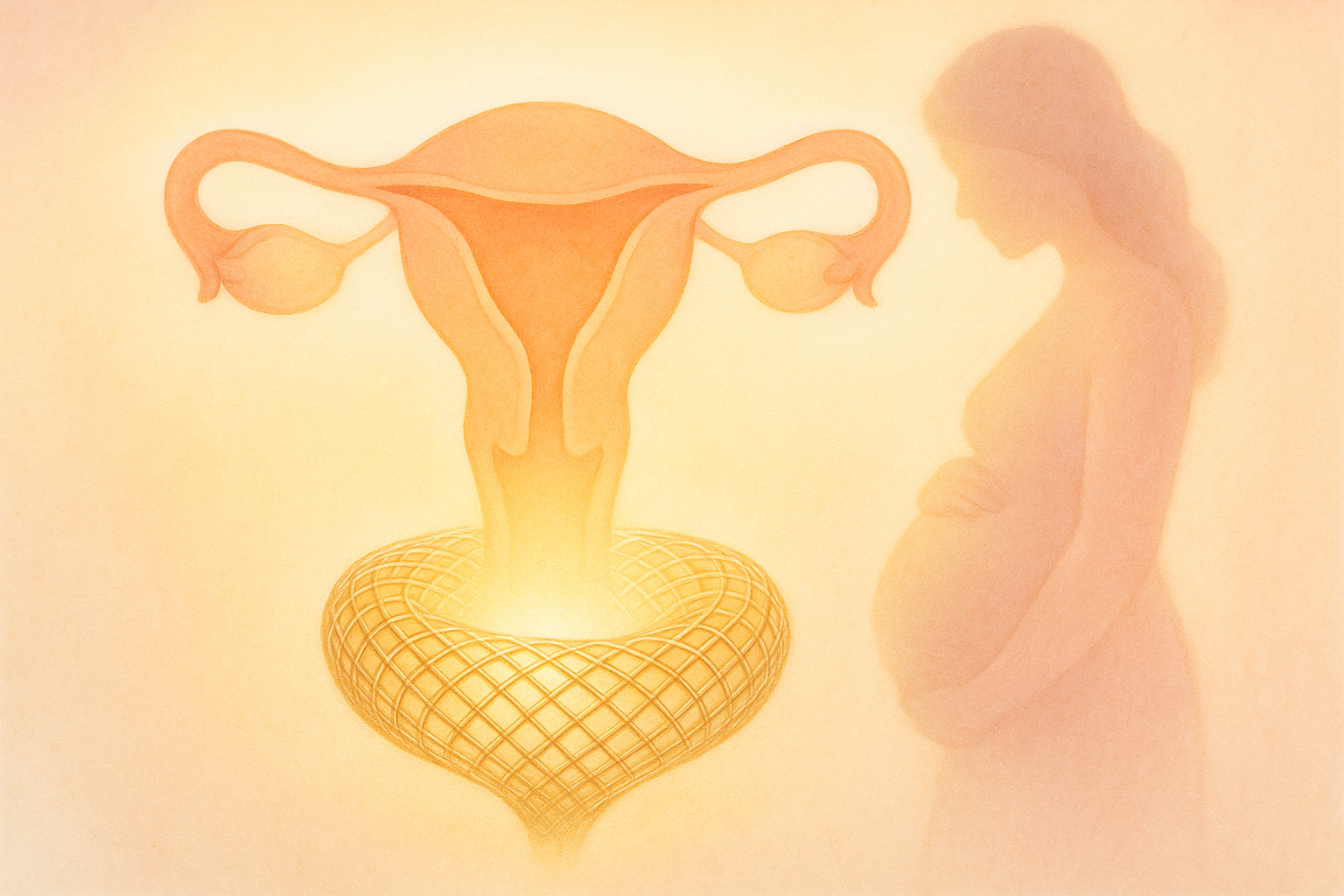
The implant is made of nickelide titanium, an alloy with "shape memory" and high elasticity. Its structure resembles soft knitwear: the thinnest thread (60-90 microns) is woven into a mesh that can withstand millions of cycles of stretching and compression. Unlike rigid structures, the implant grows with the uterus, adapting to changes in the body and not interfering with the natural development of the fetus.
The technique is used for women of reproductive age who have cervical cancer detected at an early stage. After surgery, surgeons install an implant that takes on the role of a soft support, protects tissues from deformation, and evenly distributes the load. The mesh does not interfere with ultrasound examinations and does not interfere with radiographic control.
The implant is made individually, taking into account the anatomical features of each patient. Due to its superelasticity, it does not limit the growth of the fetus, but supports the tissues
Today, such operations are performed in Tomsk and Novosibirsk, at the Research Institute of Oncology of TNIMC and GMIC named after Academician E. N. Meshalkin. A total of 136 interventions have been performed, and many patients have been able to give birth even after a serious diagnosis.
Read materials on the topic:
- With increased strength: an innovative alloy for implants was created at SPbPU
- Scientists from SPbPU have created a digital model of the jaw to predict the performance of dental implants
- Rosatom scientists began printing individual titanium implants on a 3D printer
Never miss our newsAdd this site to your preferred sources to see us more oftenAdd on Google

















