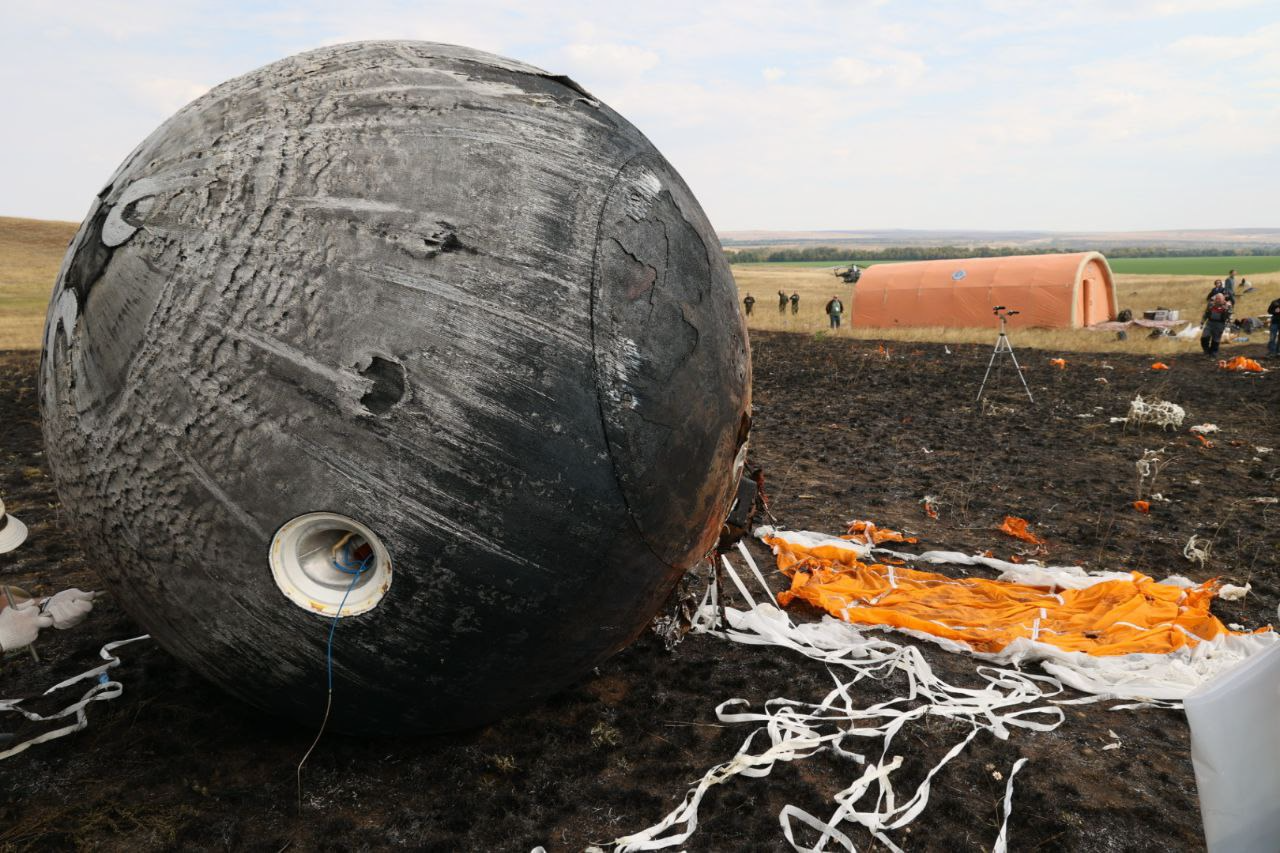
The descent vehicle of the biological satellite "Bion-M" No. 2 successfully landed on September 19, 2025, at 11:00 Moscow time in the Orenburg region after 30 days of flight in orbit. On board were 75 mice, more than 1.5 thousand fruit flies, plants, microorganisms and other biological objects. Oleg Orlov, Director of the Institute of Biomedical Problems (IBMP) of the Russian Academy of Sciences, reported that 10 individuals died out of 75 mice.
The causes of death of the mice, which were males, are related to intragroup conflicts and other factors. Scientists plan to establish the exact stages and circumstances of the losses based on the collected data. The overall result of the flight is recognized as satisfactory for further analysis.
Out of 75 mice, we were 10 short. With this result, we are all satisfied, and first of all, the scientists and organizers of the flight. The reason for the death of these animals is different. Because these are male mice, aggressive animals, with complex intragroup conflicts. Of course, the data has not been lost, we will find out at what stages and for what reason they died.
The spacecraft was launched from the Baikonur Cosmodrome on August 20, 2025. The flight was carried out in a polar orbit to study the effect of space factors on living organisms. The mice were divided into groups: one with a modified genetic apparatus to assess sensitivity to radiation, the second group received pharmacological preparations to increase resistance to such effects. Different methods of feeding and keeping animals were also tested, including dry food and special water.
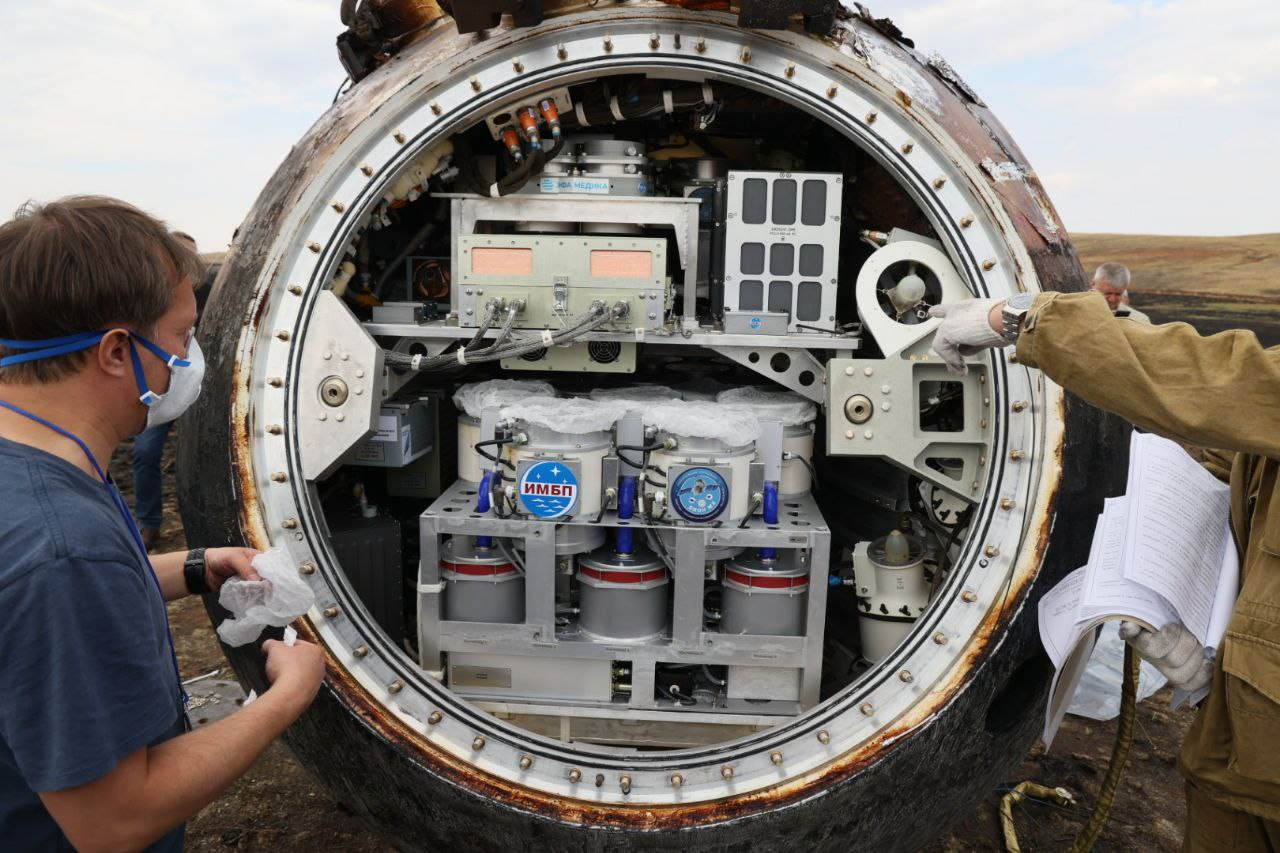
The landing went as planned, although there was a fire of dry grass at the landing site. The local administration, the search and rescue services of Rosaviation and the Ministry of Defense promptly extinguished the fire. All biological objects were delivered to Earth in a condition that allows for the planned research. Some of the experiments were started in the field at the landing site, the remaining samples will be transported to laboratories in Moscow.
Biosputnik "Bion-M" No. 2 is the second spacecraft in this series, designed for fundamental research in the field of space biology. The results of the experiments will be transferred to Roscosmos and the Russian Academy of Sciences.
Read more materials on the topic:
- Biosputnik "Bion-M" No. 2 with mice and fruit flies completed a 30-day mission and returned to Earth
- Biosputnik "Bion-M" No. 2 with space mice on board has been refueled and prepared for launch
- Russian satellite "Bion-M2" will find out the true origin of life on Earth
Never miss our newsAdd this site to your preferred sources to see us more oftenAdd on Google

















