On September 11, 2025, the "Ekran-M" installation was delivered to the International Space Station (ISS) by the "Progress MS-32" cargo ship. It was developed by the A.V. Rzhanov Institute of Semiconductor Physics SB RAS commissioned by the Rocket and Space Corporation "Energia". The equipment is designed for the synthesis of high-purity semiconductors in the conditions of cosmic vacuum.
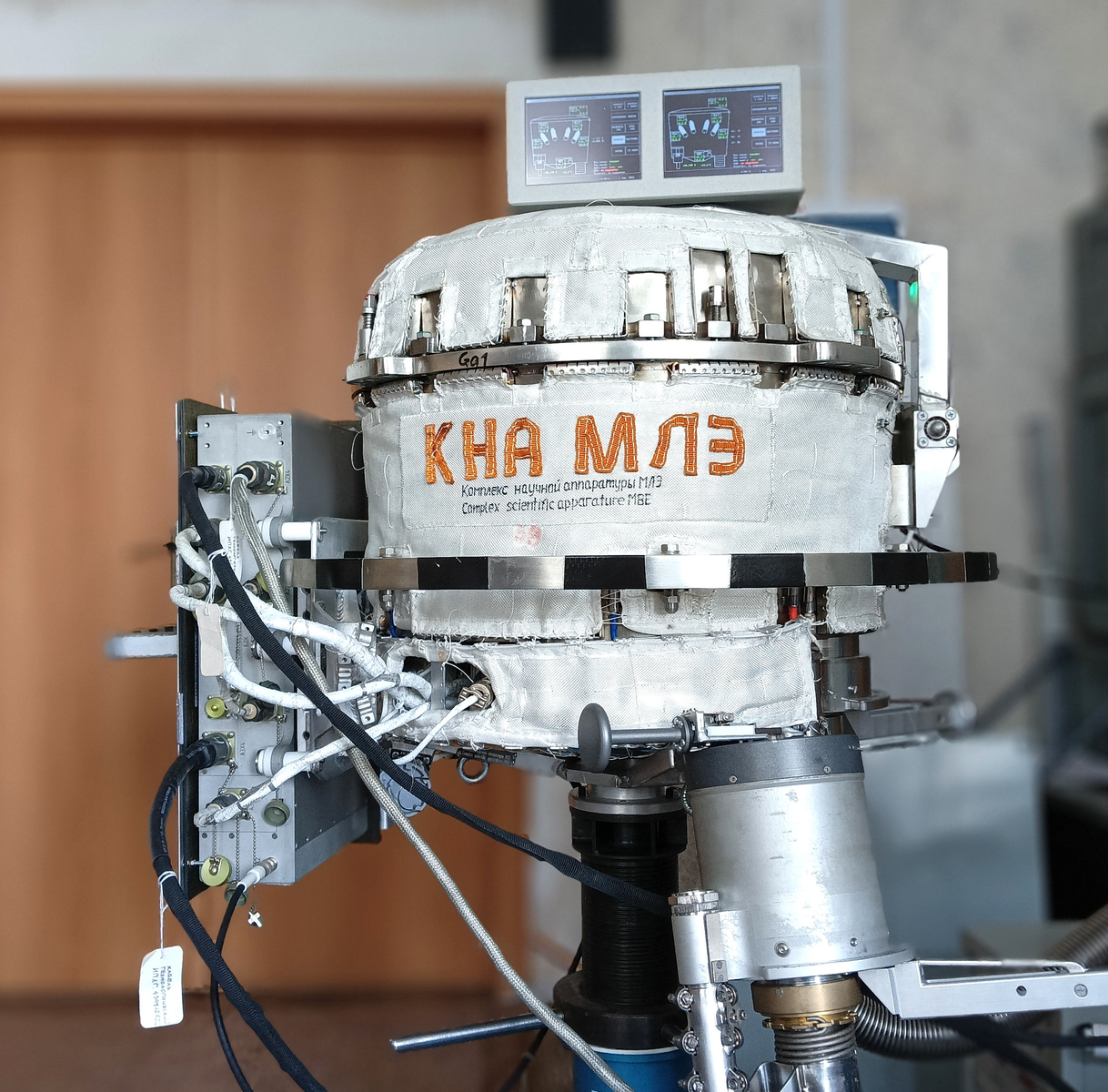
The "Ekran-M" installation uses the method of molecular beam epitaxy to create semiconductor materials with atomic precision. The project aims to study the possibilities of cosmic vacuum, which allows achieving ultra-high purity parameters unattainable on Earth. The installation has passed all pre-flight tests and is the only research program of its kind in the world. In orbit, the cosmonauts will conduct two cycles of gallium arsenide synthesis, each lasting about two weeks. The first stage of the experiment includes the installation of equipment and loading of a cassette with six substrates. The resulting materials will be compared with terrestrial analogues to assess their properties.
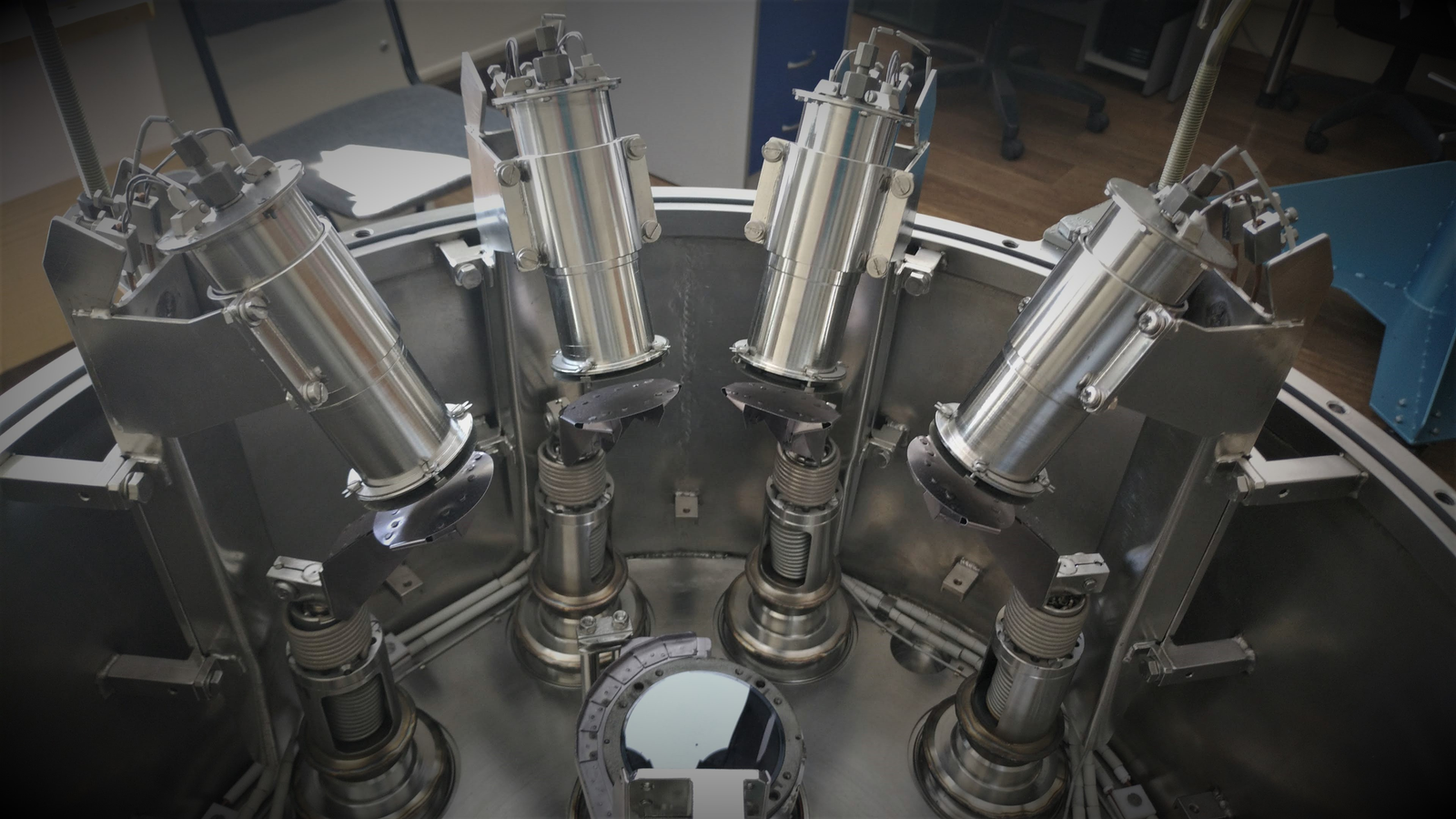
Chief designer Alexander Nikiforov noted that the equipment was created taking into account the limitations on weight, radiation resistance and the peculiarities of the behavior of materials in zero gravity. For example, a protective membrane with micro-holes was used to prevent liquid from scattering in zero gravity.
Work on the project began in 1996 under the leadership of Professor Oleg Pchelyakov. "Ekran-M" is part of a long-term research program on the ISS, approved by "Roscosmos". The results of the experiment may become the basis for future technologies of orbital semiconductor production, including materials for solar batteries and electronics.
Read more materials on the topic:
The future of space: Russia discusses space cooperation with other countries after the ISS
Into space without fuel: a new way of flying was proposed at RUDN
Never miss our newsAdd this site to your preferred sources to see us more oftenAdd on Google

















![Growth Point: After 5G Launch, Mobile Internet in Russia Accelerated by 20%","subtitle":"TelecomDaily recorded an upload speed increase of 19.7%, and download speed of almost 14%","announce":""}[]}],](https://media.ixbt.site/fit-in/320x/ixbt-data/1727896/ai-image-nvgq0a0v5cjnyxwoc8xpelva.webp)