Russian specialists have studied the mummy of an ancient Egyptian from the collection of the Museum of Anthropology of Moscow State University. The age of the find, which arrived in Russia in the 19th century, is estimated at approximately 3080 years, which corresponds to the period of the XVIII-XIX dynasties of the New Kingdom. The mummy's face was reconstructed using the method of Mikhail Gerasimov.
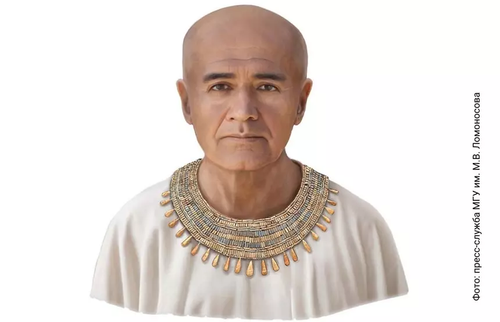
The studies revealed the remains of a man whose height was approximately 165-169 cm, and who died at the age of 40 to 60 years. The mummification process was very laborious: a balm was used, which included over 200 different substances, including pine resin. Before embalming, the following procedures were performed: the brain was removed through the nose, and the internal organs were removed through an incision on the side of the abdomen. Then these organs, pre-dried, were placed back into the body.
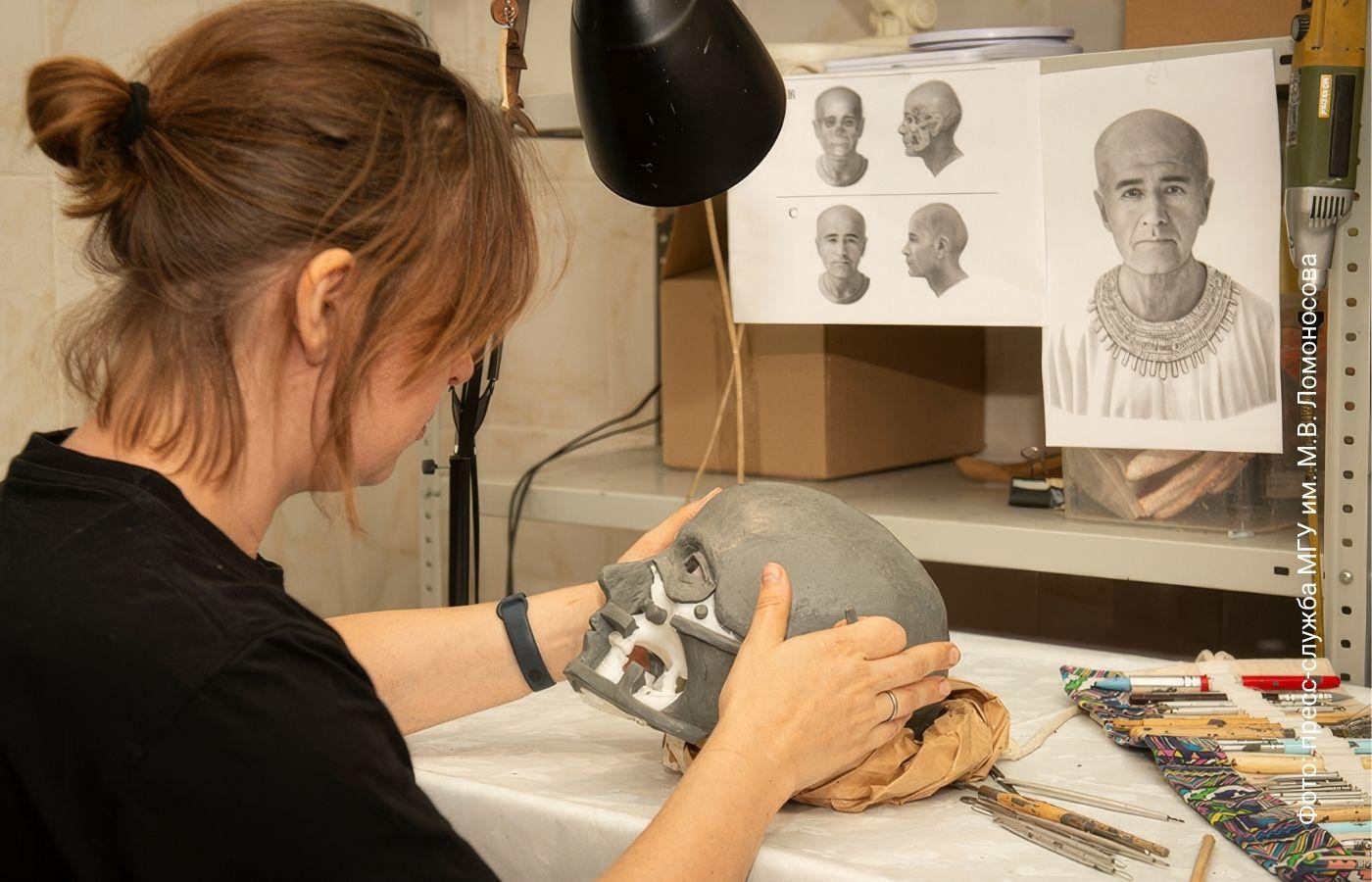
The condition of the burial tissues and bandages of the mummy was normal for that time. Modern methods, such as computed tomography and chromatography, made it possible to determine the sex and age of the deceased, as well as the composition of the substances used in embalming. Signs of aging were found on the bones, in particular, bone growths on the femurs. The mummy ended up in Moscow thanks to Professor Alexander Babukhin, who brought it from Egypt and handed it over to Dmitry Anuchin, the founder of the museum. The circumstances under which Babukhin acquired the mummy remain unclear.
The study was conducted jointly by scientists from Moscow State University, Skoltech and institutes of the Russian Academy of Sciences.
Read more on the topic:
New development of Russian physicists will improve the safety of thermonuclear reactors
An environmentally friendly method of plastic recycling has been developed in Kabardino-Balkaria
Never miss our newsAdd this site to your preferred sources to see us more oftenAdd on Google