Translated with AI from the Russian original.
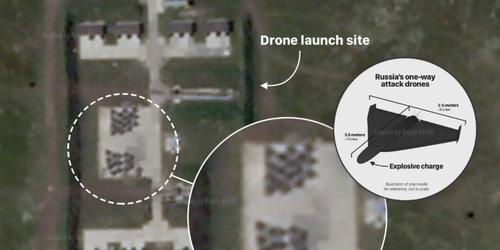
Satellite images have appeared online of an airfield in one of the Russian regions from where kamikaze drones "Geranium-2" are launched. The photographs show that the Russian military has begun constructing shelters for unmanned aerial vehicles.
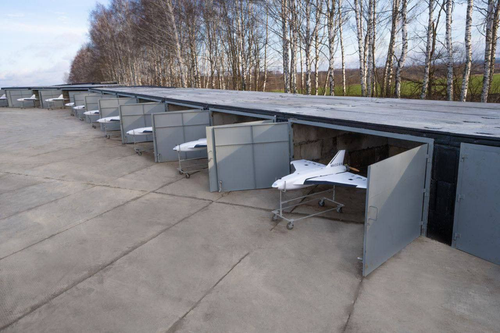
The images show protected drone storage facilities, many drones prepared for launch, and launchers with traces of starting jet boosters. At other airfields, drones are launched from pickups and catapults.
Lieutenant General of the Russian Aerospace Forces Alexander Maksimtsev noted that the Ministry of Defense plans to provide shelters for the protection of aviation for the entire airfield network of the Armed Forces.
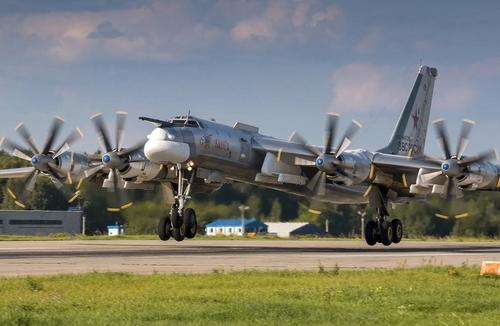
According to him, protective structures for sheltering military aviation equipment have already been erected at the main airfields of the Aerospace Forces over the past two years.
Subscribe to "First Technical" news on Google News to stay up-to-date on the latest science and technology news.
Read more materials:
"Hundreds of Aircraft Needed": The State of Affairs in Russian Passenger Aviation Revealed
The First Detailed Model of the Su-57 Fighter Jet in 1/48 Scale Has Appeared
Never miss our newsAdd this site to your preferred sources to see us more oftenAdd on Google

















