The Russian army will have to wait another one or two years for a domestic analogue of the Starlink satellite Internet. This point of view was expressed by journalist Alexander Kots.
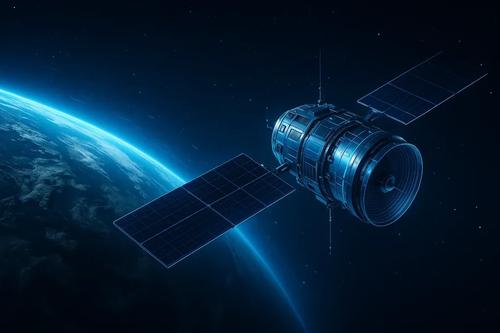
According to him, after this period of time, the fighters will have their own satellite communications, which will allow them to abandon the American system.
The task is to create satellite communications either by 2026 or by 2027, and we have developments, 10 megabits are already going. This is low-orbit, of course, not 100 megabits of Starlink, but this is just the beginning.
The head of Roscosmos, Dmitry Bakanov, claimed in June that the deployment of the Rassvet satellite system (an analogue of the American Starlink) is scheduled for December 2025.
The launch of the first 16 satellites will take place from the Plesetsk military cosmodrome. The commercial service of the system will be launched in 2027, it is planned to launch more than 250 satellites into orbit, and by 2035 their number may increase to 900.
Read materials on the topic:
Russian Starlink from "Bureau 1440" already transmits signals between satellites and to Earth
Russian Starlink: by 2030, it is planned to deploy 292 satellites of the RASSVET system
Never miss our newsAdd this site to your preferred sources to see us more oftenAdd on Google

















