In August, a Soyuz-2.1b rocket with the Bion-M No. 2 spacecraft will launch from Baikonur. The satellite will conduct experiments in an orbit of 800 km - twice as high as the ISS and with a radiation level 10 times greater than the previous mission.
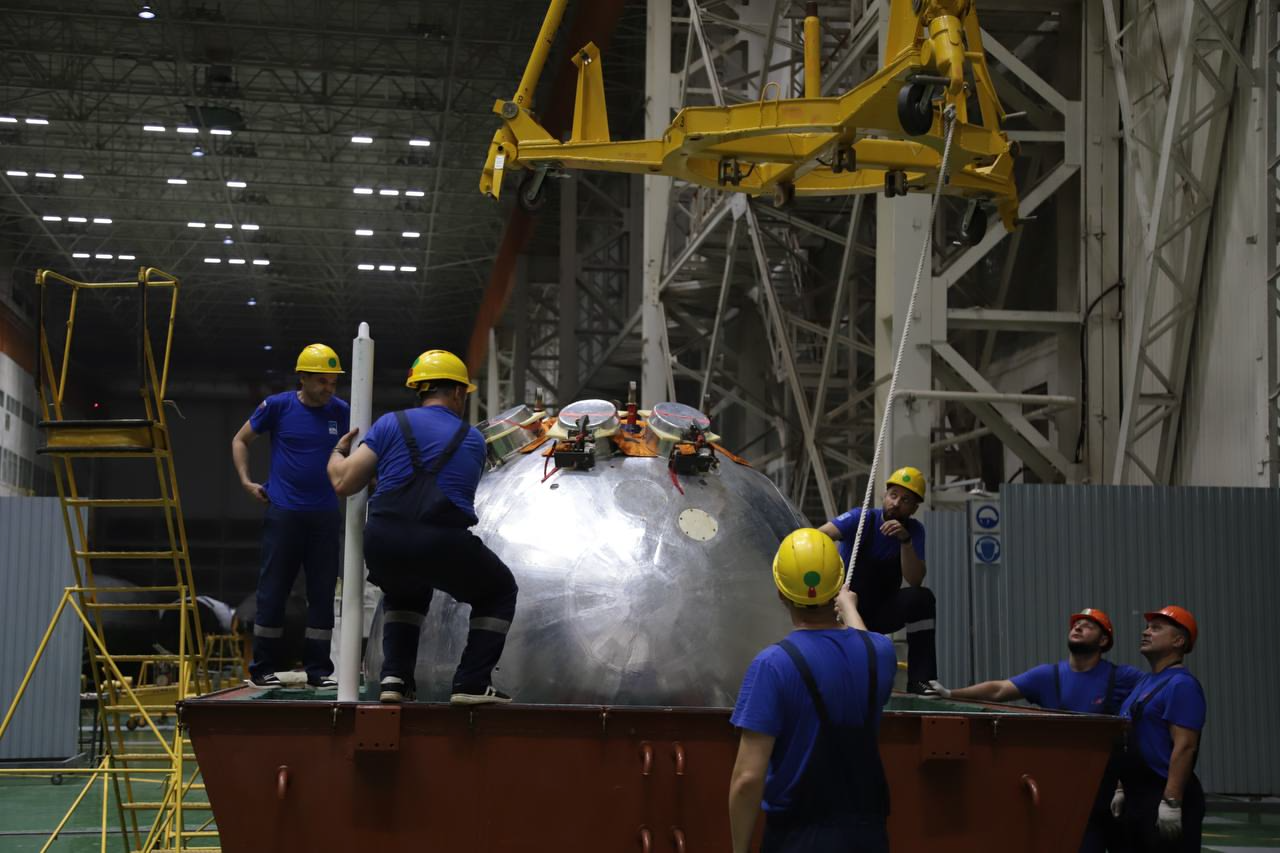
The main goal is to study the impact of space on living organisms. Scientists will study the nervous system, immunity, heart function, and the effects of radiation. The data obtained will help prepare for long-duration manned flights, including possible missions beyond Earth orbit.
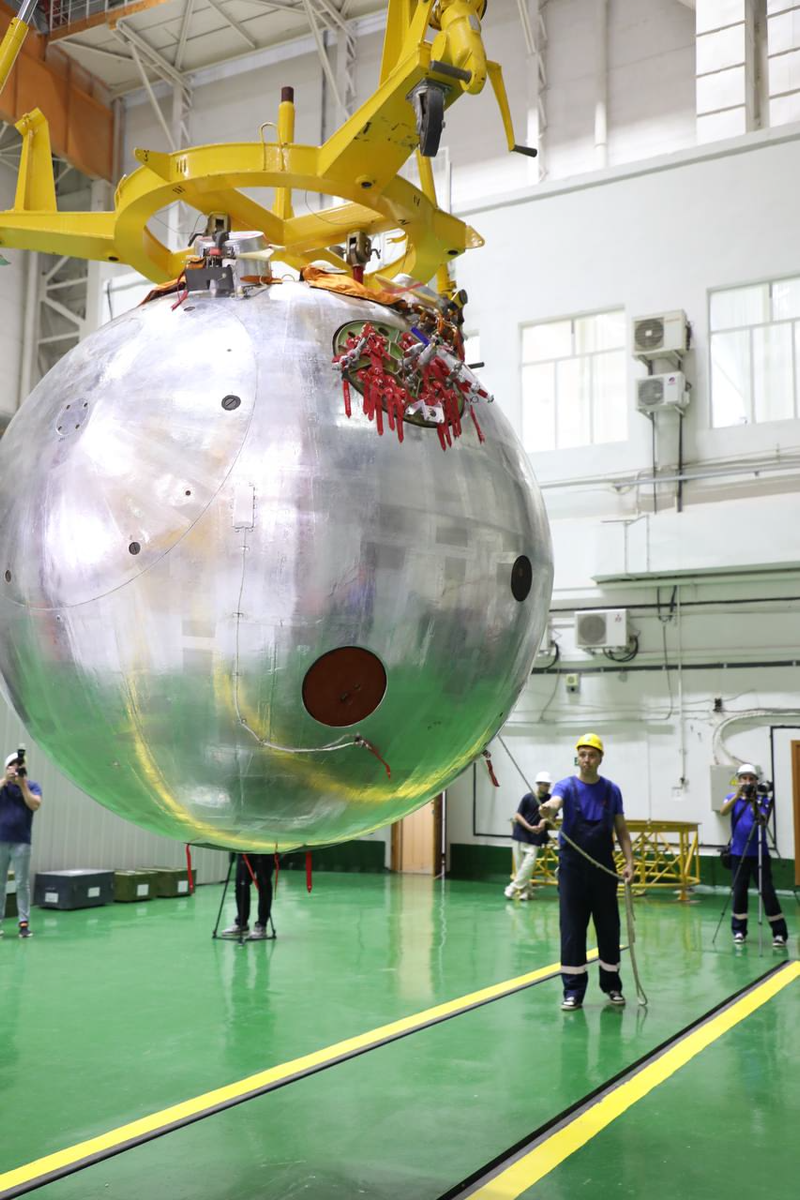
Bion-M No. 2 is equipped with new instruments. Unlike previous missions of satellites in this series, which studied the physiological aspects of being in space, the new spacecraft focuses on studying the long-term effects of radiation. The doses per month of flight will be comparable to three years on the ISS.
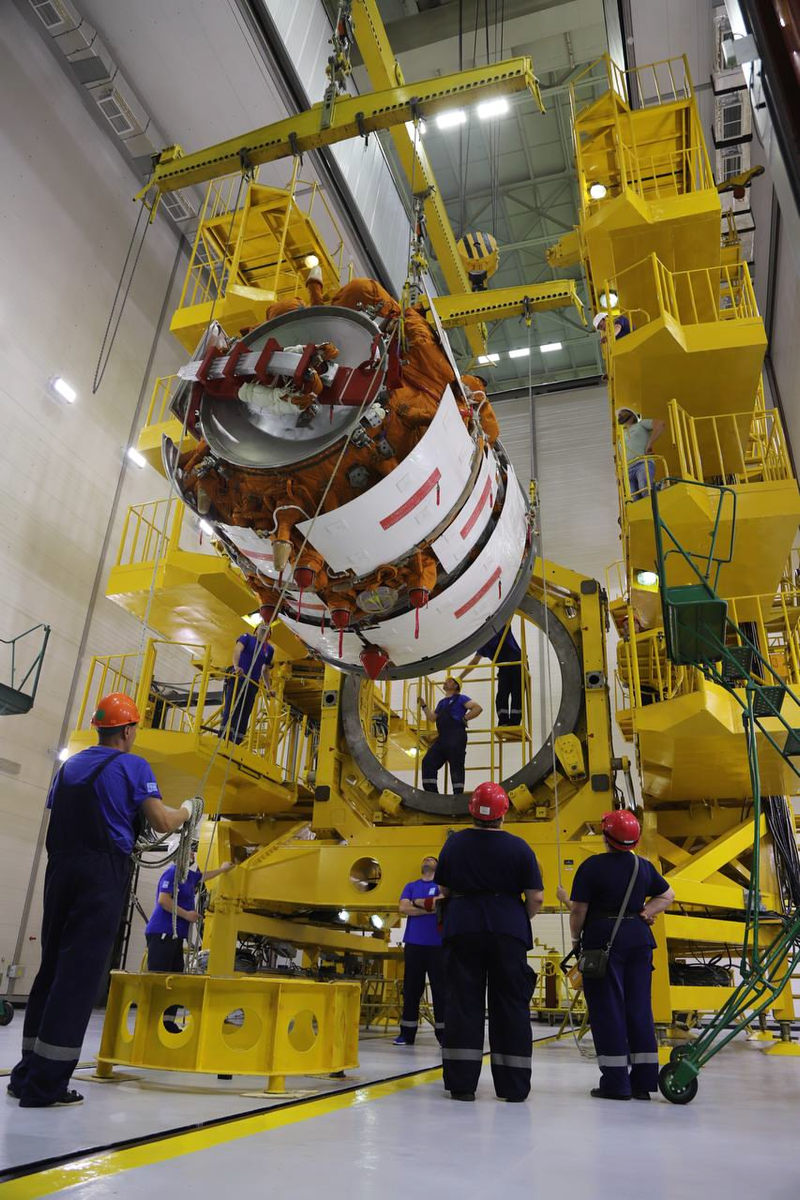
The launch is scheduled for August. After being placed into orbit, the satellite will begin transmitting data and then return to Earth with the results of the experiments. Currently, Roscosmos specialists have already assembled the launch vehicle "package" to put the satellite into orbit. The next stage will be autonomous and comprehensive testing.
Earlierwww1.rureported on the launch of an Iranian satellite from the Vostochny Cosmodrome.
Read more materials on the topic:
"Soyuz-2.1b" will put an Iranian satellite into orbit from the Vostochny Cosmodrome
Never miss our newsAdd this site to your preferred sources to see us more oftenAdd on Google

















