The Moscow Aviation Institute (MAI) has successfully tested an unmanned cargo delivery system developed in collaboration with BAS Glory Air. The system demonstrated full operability and high efficiency, confirming the possibility of simplifying and reducing the cost of logistics processes, the university's press service reported.
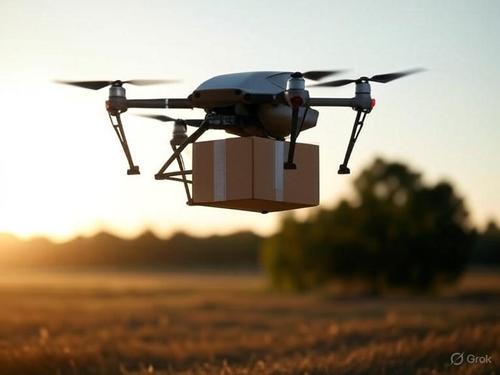
In the final version, the project will be a large-scale infrastructure that will include: flight control centers, sites for charging unmanned aerial vehicles and their maintenance, as well as ground services. The system will automatically distribute available orders to free drones, conduct pre-flight checks of aircraft, plan delivery routes, coordinate them with air traffic control, monitor each stage of the flight, and at the end send a notification to the pedestrian courier to pick up the cargo from the intermediate point.
The system is based on the principle of hybrid transportation. The drone transports cargo from the warehouse to the site where it is met by a courier who carries out the final delivery to the customer.
The cargo is supposed to be placed in the internal compartment. This solution guarantees protection against theft, damage and accidental loss.
To ensure real-time tracking of the location of drones, the drones will be equipped with satellite navigation and telemetry systems. The introduction of artificial intelligence is also being considered to automate routine tasks.
The next step will be to refine the system based on the data obtained and prepare for pilot operation in urban environments. The developers plan to continue close cooperation with industrial partners. This will ensure a quick transition from an experimental prototype to a commercial product.
Earlier www1.ru reported that Samokat launched drone delivery of groceries in Nizhny Novgorod.
Read materials on the topic:
Novosibirsk scientists tested an autonomous drone with AI for the delivery of goods to remote areas
Flew 2 km in 4 minutes: a new courier drone was tested in Innopolis
The Vzhik multirotor vertical take-off UAV for the delivery of goods to remote areas was created in Russia
Never miss our newsAdd this site to your preferred sources to see us more oftenAdd on Google

















