Translated with AI from the Russian original.
The launch of the Soyuz-2.1a rocket with the launch of the Cosmos-2505 satellite into orbit was carried out on June 5, 2015 from the Plesetsk cosmodrome. This spacecraft became the last representative of the Yantar family, known for its unique capabilities in the field of visual reconnaissance.
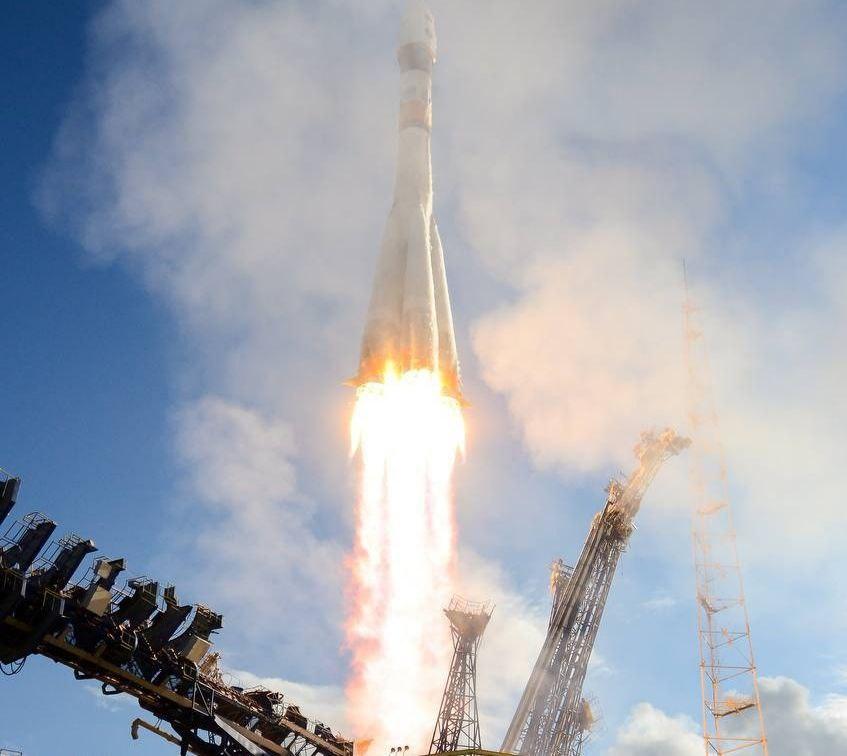
Yantar satellites were equipped with high-precision optics capable of capturing objects up to 30 cm in size. Data from these devices were delivered to Earth in special capsules - this was a real breakthrough for its time. In the process of working in orbit, two capsules were used to transmit images, and the third returned to Earth after the mission was completed.
The launch of Cosmos-2505 became a landmark event, marking the end of the use of capsule technology in Russian cosmonautics. Modern satellites now provide faster and more secure information transfer via radio channels.
Earlierwww1.ru reported that the launch of the promising methane rocket "Amur" with a reusable first stageis scheduled for 2027-2028.
Read materials on the topic:
Resources, attention, return: what is needed for the new Russian rocket of the Amur-SPG project
Creating the Amur-SPG rocket: the focus is on landing the first stage in development
A universal control system is almost ready for the new Russian Amur-SPG launch vehicle
Never miss our newsAdd this site to your preferred sources to see us more oftenAdd on Google

















