The first AI-based cancer screening system, "OncoPro," has been registered in Russia. Developed jointly by the Institute of Personalized Oncology at Sechenov University and the Institute for System Programming of the Russian Academy of Sciences, the program analyzes a set of blood parameters, including tumor markers.
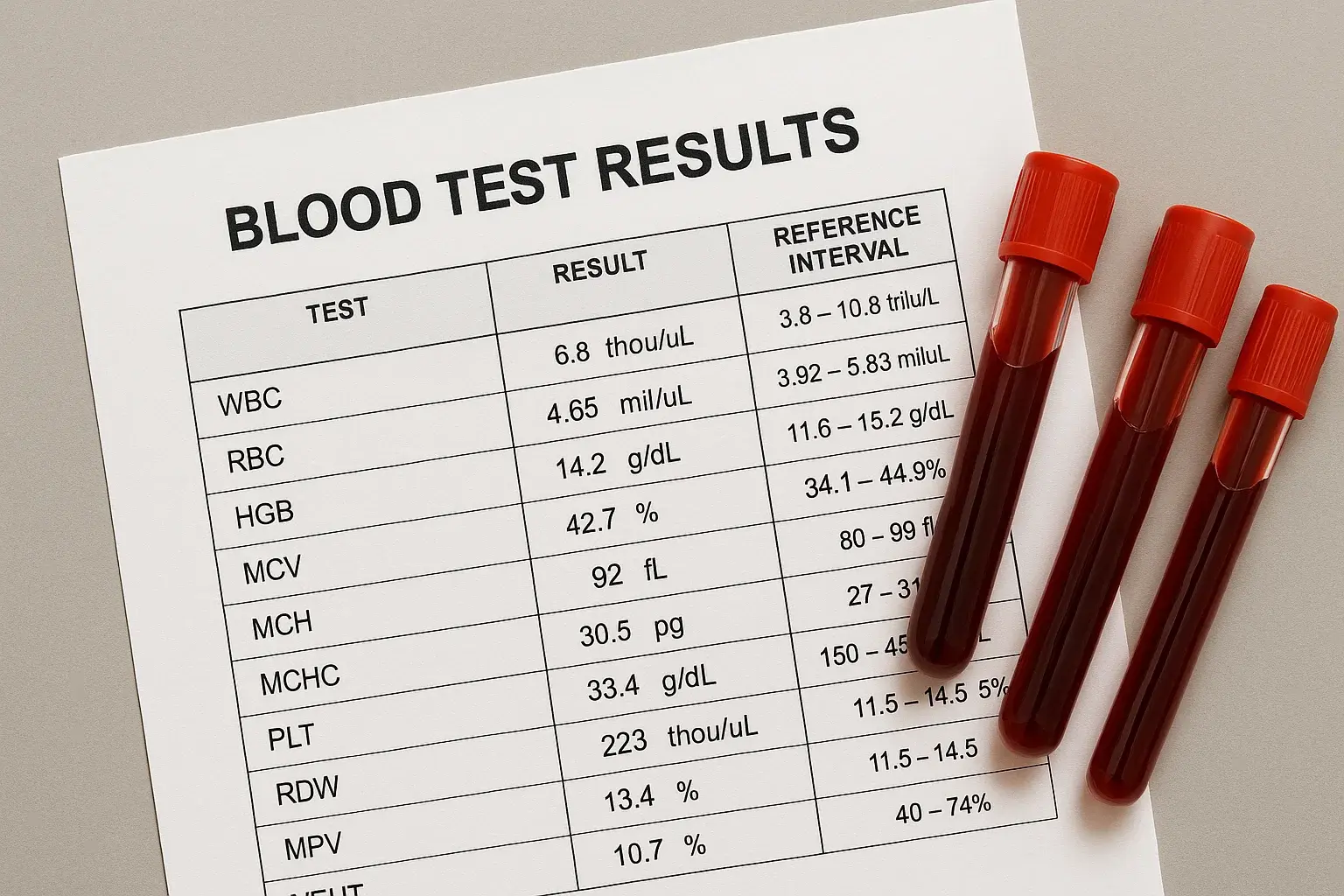
According to Anastasia Platonova, an expert at the "Onkologika" foundation, the main advantage of "OncoPro" is its preventive focus and the possibility of early detection of oncological diseases. Detecting malignant tumors at an early stage significantly increases the likelihood of successful treatment and reduces mortality. Unlike traditional methods, which are usually used when symptoms have already appeared, this system will allow assessing individual risk in the future, which is especially important for patients without obvious clinical manifestations.
"OncoPro" works as follows:
- The patient submits an extended blood test (12-15 indicators).
- The data is uploaded to a cloud system, where a machine learning algorithm compares it with a database of 400+ confirmed cancer cases.
- Result: risk assessment (high/uncertain) for six types of cancer (lung, breast, prostate, ovarian, kidney, colorectal).
A person submits a set of blood tests, which include tumor markers, indicators of inflammation, metabolism, and the coagulation system, which change in oncological diseases. Then they are uploaded to the site, and the program issues a risk calculator - high or uncertain. Patients with high risk need additional examination, to which they will be referred by a doctor.
But the system has limitations: it is not used for chronic inflammations (pyelonephritis, hepatitis, etc.) due to changes in blood parameters.
"OncoPro" is an example of predictive medicine, where AI helps to identify the disease before symptoms appear. The introduction of the system in clinics can reduce the burden on diagnostics and increase patients' chances of recovery. According to a Doctor of Medical Sciences, in the future, this technology can be used for examinations and early diagnosis of various types of oncological diseases. Modern scientists are striving to create a new model that will more effectively identify risk groups and conduct targeted work with them. Existing screening methods are complex, expensive, and not always effective procedures.
Read more on the topic:
Sechenov University is developing cell-based drugs to fight cancer
Never miss our newsAdd this site to your preferred sources to see us more oftenAdd on Google